WorkPublished Top storyAll news from that day
Periodic Labs' Fedus says its engineers will work on site at customers
In a Latent Space video interview published 7 October, Periodic Labs' Liam Fedus said forward-deployed engineers will work on site at customers, with a huge focus on semiconductors.
Check our sources · 17 facts from 3 sources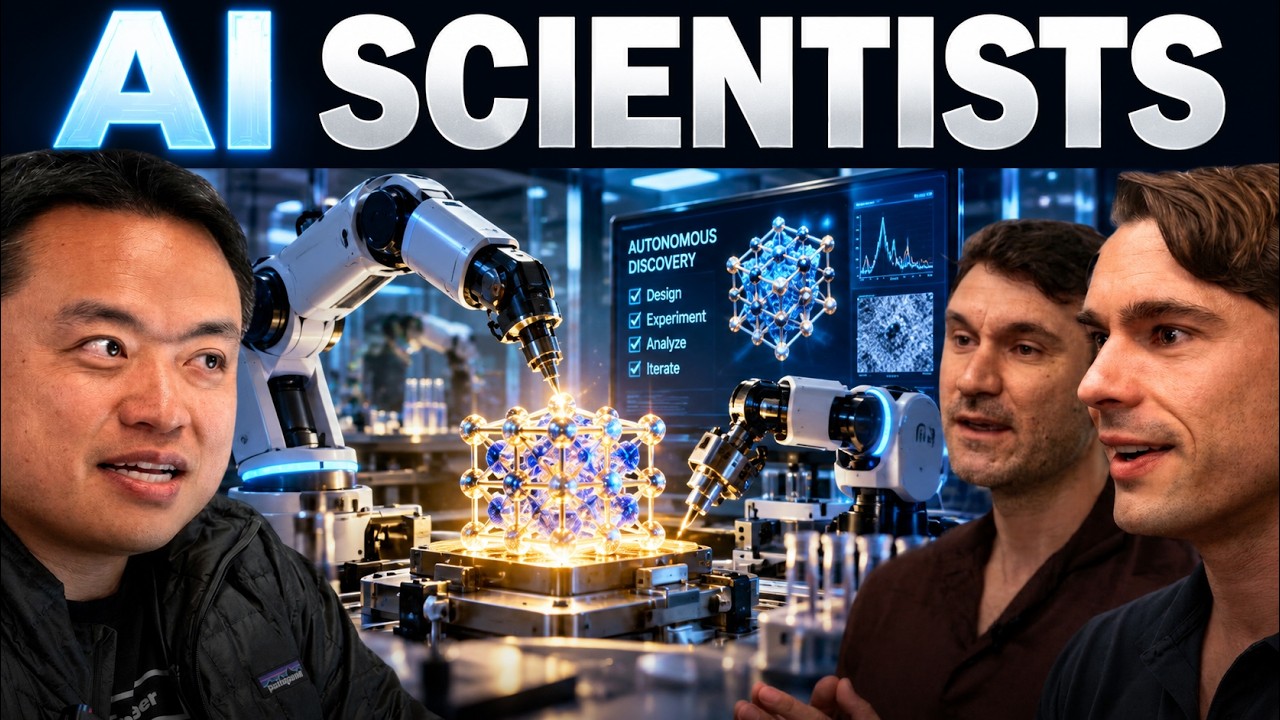 Video: Latent Space on YouTube
Key points
- Fedus said Periodic has been "customer zero" for its own tools and now has "a huge focus right now in the semiconductor industry" (1:16:27).
- Fedus said these customers are private companies that need secure environments, so Periodic's forward-deployed engineers and researchers "will actually be on site" integrating its systems (1:16:46).
- Fedus said that as autonomy, intelligence and capability grow, "you can begin to price outcomes" (1:19:09).
What happened
Latent Space published an interview with Liam Fedus and Ekin Dogus Cubuk of Periodic Labs on its YouTube channel on 7 October 2026. Periodic describes itself as an AI research and deployment company building models and autonomous labs. Its site says it is helping a semiconductor manufacturer with heat dissipation on its chips.
Liam Fedus said Periodic has been its own first customer for its tools ("customer zero") and now has a huge focus on the semiconductor industry. Because those customers are private companies that need secure environments, he said, Periodic's forward-deployed engineers and researchers will work on site and integrate its systems to help partners reach their goals.
Asked about the business, Fedus called software engineering a great analog: with tools such as Codex, he said, very few of Periodic's own engineers now write code the way they used to. He said a similar thing could play out for Periodic, with systems that accelerate researchers and engineers, and that as the systems' autonomy, intelligence and capability grow, the company could begin to price outcomes.
Ekin Dogus Cubuk said that even if a model such as Fable 7 gets better, it will still have to run experiments to get results, which is why Periodic is building labs that open or closed models can use. The quotes were matched against the Latent Space episode page's transcript, which names the speakers, and against the video's captions.
Underlined sentences link to the facts we checked. Dotted words open a short explainer.
Fact 16 of 17 · from Periodic Labs
Periodic Labs is an AI research and deployment company creating models and autonomous labs to accelerate science.
What it means for you
Our viewThese are the speakers' statements in a podcast interview, not a published offer. Fedus describes engineers working inside customers' secure environments and, in time, pricing by outcome. Ekin Dogus Cubuk adds that models will still have to run experiments to get results, which is why Periodic is building labs.
Periodic's own site says it is helping a semiconductor manufacturer with heat dissipation. If you buy AI for research or manufacturing, ask a vendor with this model what its engineers can see inside your environment, and how an outcome-based price would define the outcome.
It adds no new facts.
Your reaction
We count reactions per story and day, never who reacted. The counts help us choose what goes in the monthly issue. If you are signed in, your own page shows yours too.
We count reactions per story and day, never who reacted. They help choose what goes in the monthly issue.
Check our sources
Every sentence above is checked against these 3 sources.
1 Synthesis Superintelligence: from Semiconductors to Superconductors — Periodic Labs' Liam Fedus and Ekin Dogus Cubuk (episode page with transcript)
Open the source archived copy-
The Latent Space episode page presents the video as an interview with Periodic Labs' Liam Fedus and Ekin Dogus Cubuk.
citeSynthesis Superintelligence: from Semiconductors to Superconductors — Periodic Labs' Liam Fedus and Ekin Dogus Cubuk ... In this episode, Periodic Labs' Liam Fedus and Ekin Dogus Cubuk join swyx and Brandon
-
In the episode page's transcript, Liam Fedus is the speaker of the answer that begins at 1:15:06 (video 1:16:27), saying: "So we’ve been customer zero. Now what we’re doing is we’re taking these same tools to different industries, and we’we have a huge focus right now in the semiconductor industry."
Toned down to what the source says
citeLiam Fedus [01:15:06]: For ourselves. So we’ve been customer zero. Now what we’re doing is we’re taking these same tools to different industries, and we’we have a huge focus right now in the semiconductor industry.
-
In the same answer (begins 1:15:06; video 1:16:46), the transcript names Liam Fedus as saying: "these are very, private companies. We need to be able to operate within some of the most secure environments. And so our Periodic forward-deployed engineers and researchers will actually be on site working and actually integrating our AI systems, our computational systems to help our partners get to their goal states more quickly."
citeLiam Fedus [01:15:06]: ... However, in order to do this these are very, private companies. We need to be able to operate within some of the most secure environments. And so our Periodic forward-deployed engineers and researchers will actually be on site working and actually integrating our AI systems, our computational systems to help our partners get to their goal states more quickly.
-
In the episode page's transcript, Liam Fedus (answer beginning 1:17:22; video 1:18:56) called software engineering "a really great analog" and said: "now we have things like Codex, and very few of our engineers are writing code the way they used to. And we think a very similar thing could play out for Periodic as well".
citeLiam Fedus [01:17:19]: I think a really great analog would be software engineering. ... Liam Fedus [01:17:22]: ... now we have things like Codex, and very few of our engineers are writing code the way they used to. And we think a very similar thing could play out for Periodic as well
-
In the same answer (video 1:19:09), the transcript names Liam Fedus as saying: "as the autonomy, intelligence, and capability grows, you can begin to price outcomes."
citeLiam Fedus [01:17:22]: ... But as the autonomy, intelligence, and capability grows, you can begin to price outcomes.
-
In the episode page's transcript, Ekin Dogus Cubuk (speaking at 1:00:20; video 1:01:40) said: "even if Fable 7 gets really good at. Even better than what it is today, it will still have to run experiments to get results" and "that's why we're building these labs, so that, whether open models or closed models can use these labs to tinker with the universe".
citeEkin Doğuş Çubuk [01:00:20]: But also, we feel like even if Fable 7 gets really good at. Even better than what it is today, it will still have to run experiments to get results. ... And that’s why we’re building these labs, so that, whether open models or closed models can use these labs to tinker with the universe
2 https://www.youtube.com/watch?v=YHiqVRxGViM
Open the source archived copy-
The video "AI Scientists Are Here: Autonomous Labs & Synthesis Superintelligence — Periodic Labs" was published on the Latent Space YouTube channel on 7 October 2026 (Pacific time).
citeWatch page metadata: title: AI Scientists Are Here: Autonomous Labs & Synthesis Superintelligence — Periodic Labs; channel: Latent Space; publishDate: 2026-10-07T17:31:15-07:00
-
One of the two guests (Liam Fedus or Ekin Dogus Cubuk; the captions carry no speaker labels) said: "So we've been customer zero" (1:16:27), and: "Now what we're doing is we're taking these same tools to different industries and we're we have a huge focus right now in the semiconductor industry" (1:16:30).
cite(1:16:27) ourselves. So we've been customer zero. (1:16:30) Now what we're doing is we're taking (1:16:31) these same tools to different industries (1:16:33) and we're we have a huge focus right now (1:16:35) in the semiconductor industry.
-
One of the two guests (Liam Fedus or Ekin Dogus Cubuk; the captions carry no speaker labels) said: "our periodic for deployed engineers and researchers will actually be onsite working and actually integrating our AI systems or computational systems to help our partners get to their goal states more quickly" (1:16:46), the automatic captions' rendering of Periodic's forward-deployed engineers.
cite(1:16:46) And so our periodic for deployed (1:16:48) engineers and researchers will actually (1:16:51) be onsite working and actually (1:16:53) integrating our AI systems or (1:16:55) computational systems to help our (1:16:57) partners get to their goal states more (1:16:58) quickly.
-
One of the two guests (Liam Fedus or Ekin Dogus Cubuk; the captions carry no speaker labels) said these customers are "very uh um private companies" and that "We need to be able to operate within some of the most secure environments" (1:16:39).
cite(1:16:39) these are very uh um private companies. (1:16:43) We need to be able to operate within (1:16:45) some of the most secure environments.
-
One of the two guests (Liam Fedus or Ekin Dogus Cubuk; the captions carry no speaker labels) compared Periodic with software engineering, saying "very few of our engineers are writing code the way they used" (1:18:56).
cite(1:18:56) like codeex and very few of our (1:18:57) engineers are writing code the way they (1:18:58) used
-
One of the two guests (Liam Fedus or Ekin Dogus Cubuk; the captions carry no speaker labels) said: "as the autonomy, intelligence, and capability grows, you can begin to um price outcomes" (1:19:09).
cite(1:19:09) engineers. But as the autonomy, (1:19:11) intelligence, and capability grows, you (1:19:14) can begin to um price outcomes.
-
One of the two guests (Liam Fedus or Ekin Dogus Cubuk; the captions carry no speaker labels) said: "even if like fable 7 gets really good at um like even better than what it is today it will still have to run experiments to get results" (1:01:40).
cite(1:01:40) capabilities. But also we feel like even (1:01:42) if like fable 7 gets really good at um (1:01:46) like even better than what it is today (1:01:48) it will still have to run experiments to (1:01:50) get results.
-
One of the two guests (Liam Fedus or Ekin Dogus Cubuk; the captions carry no speaker labels) said: "that's why we're building these labs so that um whether open models or closed models can use these labs to tinker with the universe" (1:01:58).
cite(1:01:58) on. And that's why we're building these (1:02:00) labs so that um whether open models or (1:02:04) closed models can use these labs to (1:02:06) tinker with the universe
-
One of the two guests (Liam Fedus or Ekin Dogus Cubuk; the captions carry no speaker labels) said: "we think a very similar thing could play out for periodic as well where you have systems to accelerate the researchers, the material scientists, materials engineers, the process engineers" (1:18:59).
cite(1:18:59) And we think a very similar thing could (1:19:02) play out for periodic as well where you (1:19:04) have systems to accelerate the (1:19:06) researchers, the material scientists, (1:19:07) materials engineers, the process (1:19:09) engineers.
3 Periodic Labs
Open the source archived copy-
Periodic Labs' site describes the company as "an AI research and deployment company creating models and autonomous labs to accelerate science".
citePeriodic Labs is an AI research and deployment company creating models and autonomous labs to accelerate science.
-
Periodic Labs' site says: "we're helping a semiconductor manufacturer that is facing issues with heat dissipation on their chips".
citeAs an example, we're helping a semiconductor manufacturer that is facing issues with heat dissipation on their chips.
Every sentence above is checked against these 3 sources. Each fact has its own address you can cite.
Source 1 · Latent Space · 8 Oct 2026
Synthesis Superintelligence: from Semiconductors to Superconductors — Periodic Labs' Liam Fedus and Ekin Dogus Cubuk (episode page with transcript)
The Latent Space episode page presents the video as an interview with Periodic Labs' Liam Fedus and Ekin Dogus Cubuk.
Synthesis Superintelligence: from Semiconductors to Superconductors — Periodic Labs' Liam Fedus and Ekin Dogus Cubuk ... In this episode, Periodic Labs' Liam Fedus and Ekin Dogus Cubuk join swyx and Brandon
In the episode page's transcript, Liam Fedus is the speaker of the answer that begins at 1:15:06 (video 1:16:27), saying: "So we’ve been customer zero. Now what we’re doing is we’re taking these same tools to different industries, and we’we have a huge focus right now in the semiconductor industry."
Toned down to what the source saysLiam Fedus [01:15:06]: For ourselves. So we’ve been customer zero. Now what we’re doing is we’re taking these same tools to different industries, and we’we have a huge focus right now in the semiconductor industry.
In the same answer (begins 1:15:06; video 1:16:46), the transcript names Liam Fedus as saying: "these are very, private companies. We need to be able to operate within some of the most secure environments. And so our Periodic forward-deployed engineers and researchers will actually be on site working and actually integrating our AI systems, our computational systems to help our partners get to their goal states more quickly."
Liam Fedus [01:15:06]: ... However, in order to do this these are very, private companies. We need to be able to operate within some of the most secure environments. And so our Periodic forward-deployed engineers and researchers will actually be on site working and actually integrating our AI systems, our computational systems to help our partners get to their goal states more quickly.
Show all 6 factsShow fewer facts
In the episode page's transcript, Liam Fedus (answer beginning 1:17:22; video 1:18:56) called software engineering "a really great analog" and said: "now we have things like Codex, and very few of our engineers are writing code the way they used to. And we think a very similar thing could play out for Periodic as well".
Liam Fedus [01:17:19]: I think a really great analog would be software engineering. ... Liam Fedus [01:17:22]: ... now we have things like Codex, and very few of our engineers are writing code the way they used to. And we think a very similar thing could play out for Periodic as well
In the same answer (video 1:19:09), the transcript names Liam Fedus as saying: "as the autonomy, intelligence, and capability grows, you can begin to price outcomes."
Liam Fedus [01:17:22]: ... But as the autonomy, intelligence, and capability grows, you can begin to price outcomes.
In the episode page's transcript, Ekin Dogus Cubuk (speaking at 1:00:20; video 1:01:40) said: "even if Fable 7 gets really good at. Even better than what it is today, it will still have to run experiments to get results" and "that's why we're building these labs, so that, whether open models or closed models can use these labs to tinker with the universe".
Ekin Doğuş Çubuk [01:00:20]: But also, we feel like even if Fable 7 gets really good at. Even better than what it is today, it will still have to run experiments to get results. ... And that’s why we’re building these labs, so that, whether open models or closed models can use these labs to tinker with the universe
Source 2 · 7 Oct 2026
https://www.youtube.com/watch?v=YHiqVRxGViM
The video "AI Scientists Are Here: Autonomous Labs & Synthesis Superintelligence — Periodic Labs" was published on the Latent Space YouTube channel on 7 October 2026 (Pacific time).
Watch page metadata: title: AI Scientists Are Here: Autonomous Labs & Synthesis Superintelligence — Periodic Labs; channel: Latent Space; publishDate: 2026-10-07T17:31:15-07:00
One of the two guests (Liam Fedus or Ekin Dogus Cubuk; the captions carry no speaker labels) said: "So we've been customer zero" (1:16:27), and: "Now what we're doing is we're taking these same tools to different industries and we're we have a huge focus right now in the semiconductor industry" (1:16:30).
(1:16:27) ourselves. So we've been customer zero. (1:16:30) Now what we're doing is we're taking (1:16:31) these same tools to different industries (1:16:33) and we're we have a huge focus right now (1:16:35) in the semiconductor industry.
One of the two guests (Liam Fedus or Ekin Dogus Cubuk; the captions carry no speaker labels) said: "our periodic for deployed engineers and researchers will actually be onsite working and actually integrating our AI systems or computational systems to help our partners get to their goal states more quickly" (1:16:46), the automatic captions' rendering of Periodic's forward-deployed engineers.
(1:16:46) And so our periodic for deployed (1:16:48) engineers and researchers will actually (1:16:51) be onsite working and actually (1:16:53) integrating our AI systems or (1:16:55) computational systems to help our (1:16:57) partners get to their goal states more (1:16:58) quickly.
Show all 9 factsShow fewer facts
One of the two guests (Liam Fedus or Ekin Dogus Cubuk; the captions carry no speaker labels) said these customers are "very uh um private companies" and that "We need to be able to operate within some of the most secure environments" (1:16:39).
(1:16:39) these are very uh um private companies. (1:16:43) We need to be able to operate within (1:16:45) some of the most secure environments.
One of the two guests (Liam Fedus or Ekin Dogus Cubuk; the captions carry no speaker labels) compared Periodic with software engineering, saying "very few of our engineers are writing code the way they used" (1:18:56).
(1:18:56) like codeex and very few of our (1:18:57) engineers are writing code the way they (1:18:58) used
One of the two guests (Liam Fedus or Ekin Dogus Cubuk; the captions carry no speaker labels) said: "as the autonomy, intelligence, and capability grows, you can begin to um price outcomes" (1:19:09).
(1:19:09) engineers. But as the autonomy, (1:19:11) intelligence, and capability grows, you (1:19:14) can begin to um price outcomes.
One of the two guests (Liam Fedus or Ekin Dogus Cubuk; the captions carry no speaker labels) said: "even if like fable 7 gets really good at um like even better than what it is today it will still have to run experiments to get results" (1:01:40).
(1:01:40) capabilities. But also we feel like even (1:01:42) if like fable 7 gets really good at um (1:01:46) like even better than what it is today (1:01:48) it will still have to run experiments to (1:01:50) get results.
One of the two guests (Liam Fedus or Ekin Dogus Cubuk; the captions carry no speaker labels) said: "that's why we're building these labs so that um whether open models or closed models can use these labs to tinker with the universe" (1:01:58).
(1:01:58) on. And that's why we're building these (1:02:00) labs so that um whether open models or (1:02:04) closed models can use these labs to (1:02:06) tinker with the universe
One of the two guests (Liam Fedus or Ekin Dogus Cubuk; the captions carry no speaker labels) said: "we think a very similar thing could play out for periodic as well where you have systems to accelerate the researchers, the material scientists, materials engineers, the process engineers" (1:18:59).
(1:18:59) And we think a very similar thing could (1:19:02) play out for periodic as well where you (1:19:04) have systems to accelerate the (1:19:06) researchers, the material scientists, (1:19:07) materials engineers, the process (1:19:09) engineers.
Source 3 · Periodic Labs
Periodic Labs
Periodic Labs' site describes the company as "an AI research and deployment company creating models and autonomous labs to accelerate science".
Periodic Labs is an AI research and deployment company creating models and autonomous labs to accelerate science.
Periodic Labs' site says: "we're helping a semiconductor manufacturer that is facing issues with heat dissipation on their chips".
As an example, we're helping a semiconductor manufacturer that is facing issues with heat dissipation on their chips.
Topics
The morning email
On the mornings we publish: the three top stories and up to four short ones. Free.
We email you a link to confirm. An issue may include one sponsor, always labelled Sponsored · Advertisement. Our emails count opens and clicks, not who made them. Unsubscribe in one click. What we keep