ResearchPublished ExplainedAll news from that day
Case: Anthropic's IPO 10 stories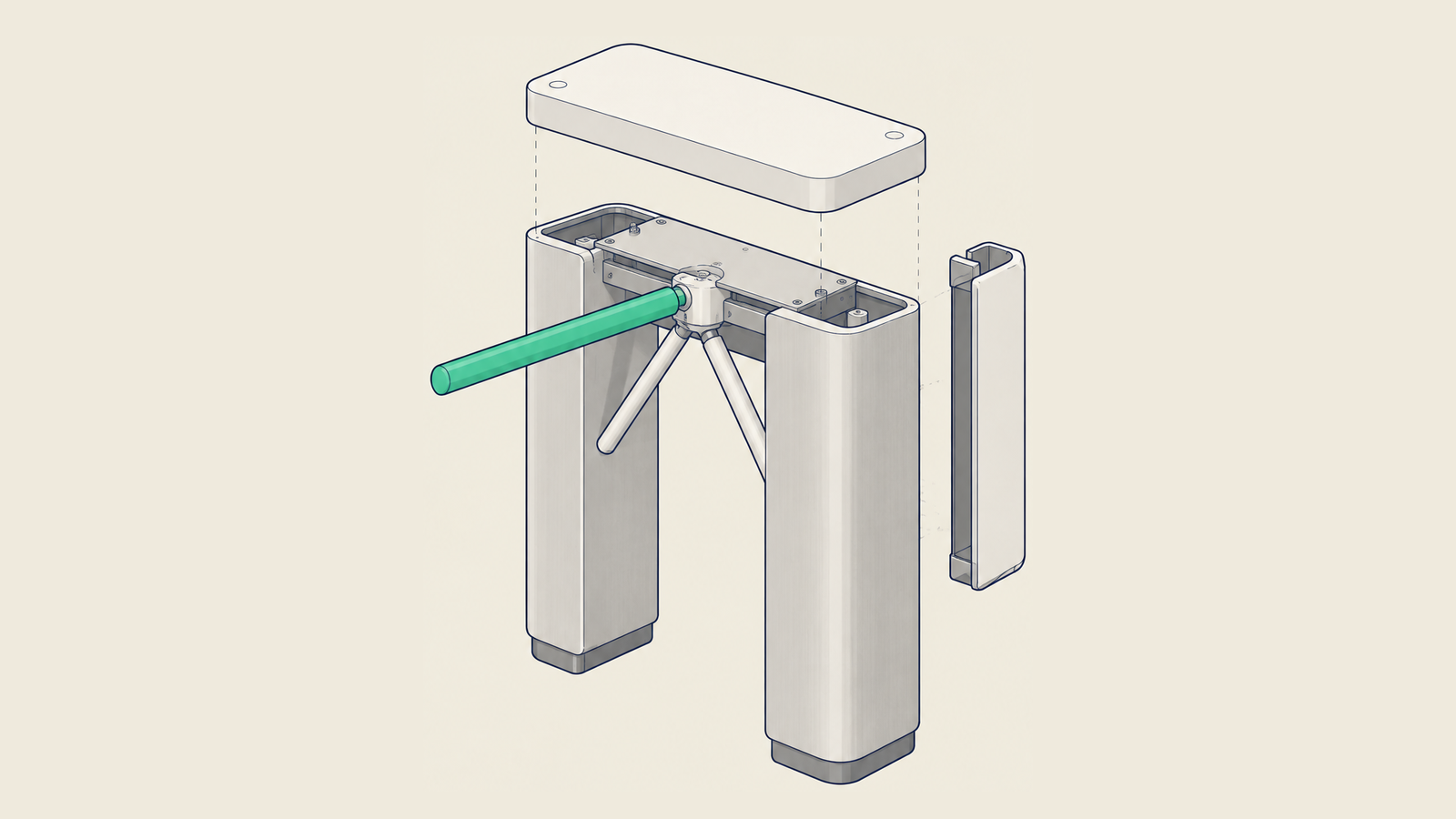
How net revenue retention is calculated, and what Anthropic's 900% figure covers
Net revenue retention compares what existing customers spend now with a year ago. Anthropic's S-1/A reports about 900% and excludes Claude Pro, Max and Ultra subscribers.
Check our sources · 10 facts from 1 source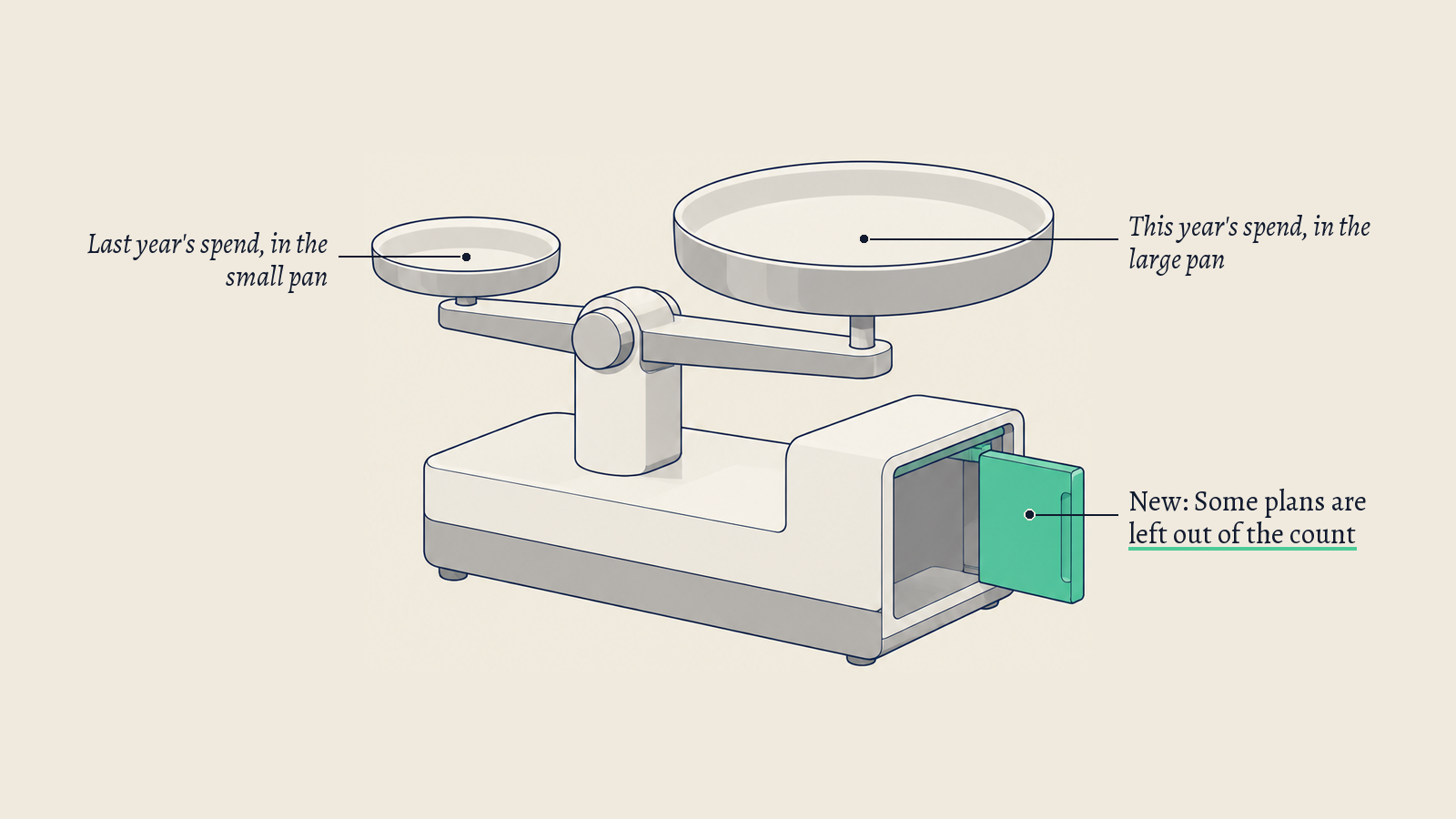 Illustration made with AI for ai notis
Key points
- Anthropic divides Qualified Customers' Current Period revenue by their Base Period revenue; the measure reflects customer expansion, contraction and churn.
- A Qualified Customer has at least $1 of revenue in the Base Period, the three months ending a year before measurement; Claude Pro, Max and Ultra subscribers are excluded.
- Anthropic's S-1/A says its operating metrics, including net revenue retention, rest on many assumptions and have not been independently verified by third parties.
What happened
Anthropic's S-1/A says its net revenue retention was approximately 900% as of 30 September 2026. The filing, an amendment dated 10 November, defines the term in its glossary, and the definition decides what the number can tell you.
Net revenue retention asks how much a group of existing customers spends now compared with a year ago. Anthropic divides the current-period revenue of its qualified customers by their base-period revenue. The measure reflects customer expansion, contraction and churn.
Two definitions carry the weight. A qualified customer is one with at least $1 of revenue in the base period, and subscribers to the Claude Pro, Max and Ultra plans are excluded because, Anthropic says, fixed-price subscriptions do not show the expansion and contraction the metric is meant to capture.
The base period is the three months ending a year before the measurement date, and the current period is the three months ending on the measurement date.
So a figure of 900% means that group's revenue in the latest three months is about nine times what it was in the same three months a year earlier. Because the measure reflects churn as well as expansion, customers who left or cut back pull the figure down and customers who spent more push it up.
Anthropic ties the figure to a pattern it describes: customers often begin with a single use case and then spread across departments and applications. It gives one example: in the three months to 30 September 2026, Claude Enterprise users who did not use Claude Code spent less than $75 a month on average, while the top 5% of Claude Enterprise users who used Claude Code spent about 20 times that amount.
Price changes also feed the figure. Anthropic says customers' cost per task falls when newer models finish tasks more efficiently or when it lowers prices, and it says Fable 5.1 cut the cost of typical workloads by about 25% against Fable 5.
The limits are in the filing too. Anthropic says its operating metrics, net revenue retention among them, rest on many assumptions, are calculated from internal systems and have not been independently verified by third parties.
Underlined sentences link to the facts we checked. Dotted words open a short explainer.
Fact 1 of 10 · from Anthropic, PBC (SEC EDGAR), 10 Nov 2026
as demonstrated by our Net Revenue Retention of approximately 900% as of September 30, 2026.
What it means for you
Our viewWhen a company quotes a retention figure, read its definition before the number. Here the group counts only customers with revenue in the base period and leaves out the fixed-price subscription plans, so the figure describes a particular set of customers and not all of them.
Anthropic also says the metric has not been independently verified. When you compare companies on retention, check each filing's definition of a customer and its measurement period before you compare the figures.
It adds no new facts.
Your reaction
We count reactions per story and day, never who reacted. The counts help us choose what goes in the monthly issue. If you are signed in, your own page shows yours too.
We count reactions per story and day, never who reacted. They help choose what goes in the monthly issue.
Check our sources
Every sentence above is checked against this source.
1 Anthropic, PBC Amendment No. 2 to Form S-1
Open the source archived copy-
The S-1/A states a Net Revenue Retention of approximately 900% as of September 30, 2026.
citeas demonstrated by our Net Revenue Retention of approximately 900% as of September 30, 2026.
-
The S-1/A is Amendment No. 2 to Anthropic, PBC's Form S-1, filed with the SEC on November 10, 2026.
citeAs filed with the Securities and Exchange Commission on November 10 , 2026. Registration No. 333-299633 ... AMENDMENT NO. 2 TO FORM S-1
-
The S-1/A glossary: "Net Revenue Retention reflects customer expansion, contraction, and churn as of a measurement date. We calculate Net Revenue Retention by dividing the Qualified Customers' Current Period revenue by their Base Period revenue."
cite“ Net Revenue Retention ” reflects customer expansion, contraction, and churn as of a measurement date. We calculate Net Revenue Retention by dividing the Qualified Customers’ Current Period revenue by their Base Period revenue.
-
The S-1/A defines a Qualified Customer as a customer with at least $1 of revenue during the Base Period, excluding subscribers to Claude Pro, Max, and Ultra plans, whose fixed-price subscriptions do not reflect the expansion and contraction behavior the metric is intended to capture.
citeA Qualified Customer is a customer with at least $1 of revenue during the Base Period, excluding subscribers to our Claude Pro, Max, and Ultra plans, whose fixed-price subscriptions do not reflect the expansion and contraction behavior this metric is intended to capture.
-
The S-1/A defines the Base Period as the three months ending a year prior to the measurement date, and the Current Period as the three months ending as of the measurement date.
citeThe Base Period is the three months ending a year prior to the measurement date. The Current Period is the three months ending as of the measurement date.
-
The S-1/A says customers' journey using Claude often begins with a single use case before expanding across departments, applications, and workflows.
citeOur customers’ journey using Claude often begins with a single use case before expanding across departments, applications, and workflows.
-
The S-1/A says that in the three months ended September 30, 2026, Claude Enterprise users who did not use Claude Code spent less than $75 per month on average, while the top 5% of Claude Enterprise users who used Claude Code spent approximately 20 times that amount.
citeFor example, in the three months ended September 30, 2026, Claude Enterprise users who did not use Claude Code spent less than $75 per month on average, while the top 5% of Claude Enterprise users who used Claude Code spent approximately 20 times that amount.
-
The S-1/A says customers' cost per task can decrease because newer, more capable model versions can complete tasks more efficiently, and because Anthropic may reduce the prices it charges for its models.
citeCustomers’ cost per task can decrease for two reasons: newer, more capable model versions can complete tasks more efficiently, and we may reduce the prices we charge for our models.
-
The S-1/A says that with the release of Fable 5.1 in September 2026, Anthropic reduced the cost of typical workloads by approximately 25% compared to Fable 5, with savings of up to 45% for complex coding and highly agentic tasks.
citeFor example, with the release of Fable 5.1 in September 2026, we reduced the cost of typical workloads by approximately 25% compared to Fable 5, with savings of up to 45% for complex coding and highly agentic tasks.
-
The S-1/A risk factors say certain operating metrics, such as Run-Rate Revenue, Net Revenue Retention, customer counts and Claude's success rate, are based on numerous assumptions and limitations, are calculated using data from internal systems and tools, and have not been independently verified by third parties.
citeCertain of our operating metrics, such as Run-Rate Revenue, Net Revenue Retention, customer counts, and Claude’s success rate, are based on numerous assumptions and limitations, are calculated using data from internal systems and tools, have not been independently verified by third parties
Every sentence above is checked against this source. Each fact has its own address you can cite.
Source 1 · Anthropic, PBC (SEC EDGAR) · 10 Nov 2026
Anthropic, PBC Amendment No. 2 to Form S-1
The S-1/A states a Net Revenue Retention of approximately 900% as of September 30, 2026.
as demonstrated by our Net Revenue Retention of approximately 900% as of September 30, 2026.
The S-1/A is Amendment No. 2 to Anthropic, PBC's Form S-1, filed with the SEC on November 10, 2026.
As filed with the Securities and Exchange Commission on November 10 , 2026. Registration No. 333-299633 ... AMENDMENT NO. 2 TO FORM S-1
The S-1/A glossary: "Net Revenue Retention reflects customer expansion, contraction, and churn as of a measurement date. We calculate Net Revenue Retention by dividing the Qualified Customers' Current Period revenue by their Base Period revenue."
“ Net Revenue Retention ” reflects customer expansion, contraction, and churn as of a measurement date. We calculate Net Revenue Retention by dividing the Qualified Customers’ Current Period revenue by their Base Period revenue.
Show all 10 factsShow fewer facts
The S-1/A defines a Qualified Customer as a customer with at least $1 of revenue during the Base Period, excluding subscribers to Claude Pro, Max, and Ultra plans, whose fixed-price subscriptions do not reflect the expansion and contraction behavior the metric is intended to capture.
A Qualified Customer is a customer with at least $1 of revenue during the Base Period, excluding subscribers to our Claude Pro, Max, and Ultra plans, whose fixed-price subscriptions do not reflect the expansion and contraction behavior this metric is intended to capture.
The S-1/A defines the Base Period as the three months ending a year prior to the measurement date, and the Current Period as the three months ending as of the measurement date.
The Base Period is the three months ending a year prior to the measurement date. The Current Period is the three months ending as of the measurement date.
The S-1/A says customers' journey using Claude often begins with a single use case before expanding across departments, applications, and workflows.
Our customers’ journey using Claude often begins with a single use case before expanding across departments, applications, and workflows.
The S-1/A says that in the three months ended September 30, 2026, Claude Enterprise users who did not use Claude Code spent less than $75 per month on average, while the top 5% of Claude Enterprise users who used Claude Code spent approximately 20 times that amount.
For example, in the three months ended September 30, 2026, Claude Enterprise users who did not use Claude Code spent less than $75 per month on average, while the top 5% of Claude Enterprise users who used Claude Code spent approximately 20 times that amount.
The S-1/A says customers' cost per task can decrease because newer, more capable model versions can complete tasks more efficiently, and because Anthropic may reduce the prices it charges for its models.
Customers’ cost per task can decrease for two reasons: newer, more capable model versions can complete tasks more efficiently, and we may reduce the prices we charge for our models.
The S-1/A says that with the release of Fable 5.1 in September 2026, Anthropic reduced the cost of typical workloads by approximately 25% compared to Fable 5, with savings of up to 45% for complex coding and highly agentic tasks.
For example, with the release of Fable 5.1 in September 2026, we reduced the cost of typical workloads by approximately 25% compared to Fable 5, with savings of up to 45% for complex coding and highly agentic tasks.
The S-1/A risk factors say certain operating metrics, such as Run-Rate Revenue, Net Revenue Retention, customer counts and Claude's success rate, are based on numerous assumptions and limitations, are calculated using data from internal systems and tools, and have not been independently verified by third parties.
Certain of our operating metrics, such as Run-Rate Revenue, Net Revenue Retention, customer counts, and Claude’s success rate, are based on numerous assumptions and limitations, are calculated using data from internal systems and tools, have not been independently verified by third parties
Topics
The morning email
On the mornings we publish: the three top stories and up to four short ones. Free.
We email you a link to confirm. An issue may include one sponsor, always labelled Sponsored · Advertisement. Our emails count opens and clicks, not who made them. Unsubscribe in one click. What we keep