2026-10-12 notis CATEGORY Join
Show Read as Find Sections Models and releasesAgents and appsResearchMoney and computeLaws and rulingsSafety and securityAI at work More ArchiveModelsAboutCorrectionsThe numbersRSS
My notis
TODAY'S NEWS
October 2026 3 STORIES
MTWTFSS
1 2 3 4 5 6 7 8 9 10 11 12 13 14 15 16 17 18 19 20 21 22 23 24 25 26 27 28 29 30 31

Days with a dot have news. See the archive.

The whole week ›
11:17
0/3
WEATHER THEME CARD SPACING

Today's news

today

My page

Kept in this browser only.

SAVED FOLLOWING COLLECTIONS READING SINCE
Nothing saved yet. Tap the bookmark on a card to keep it here. read today
all cases

No case followed yet.

Price changes Stories where a published price went up or down.
Models being retired Models being withdrawn, and gaps before a replacement is ready.
The day's top stories. Sign up
toned down Safety 12 OCT

Anthropic's OSS Scanner writes vulnerability reports without human review

AnthropicOSS ScannerOpen sourceVulnerability disclosure
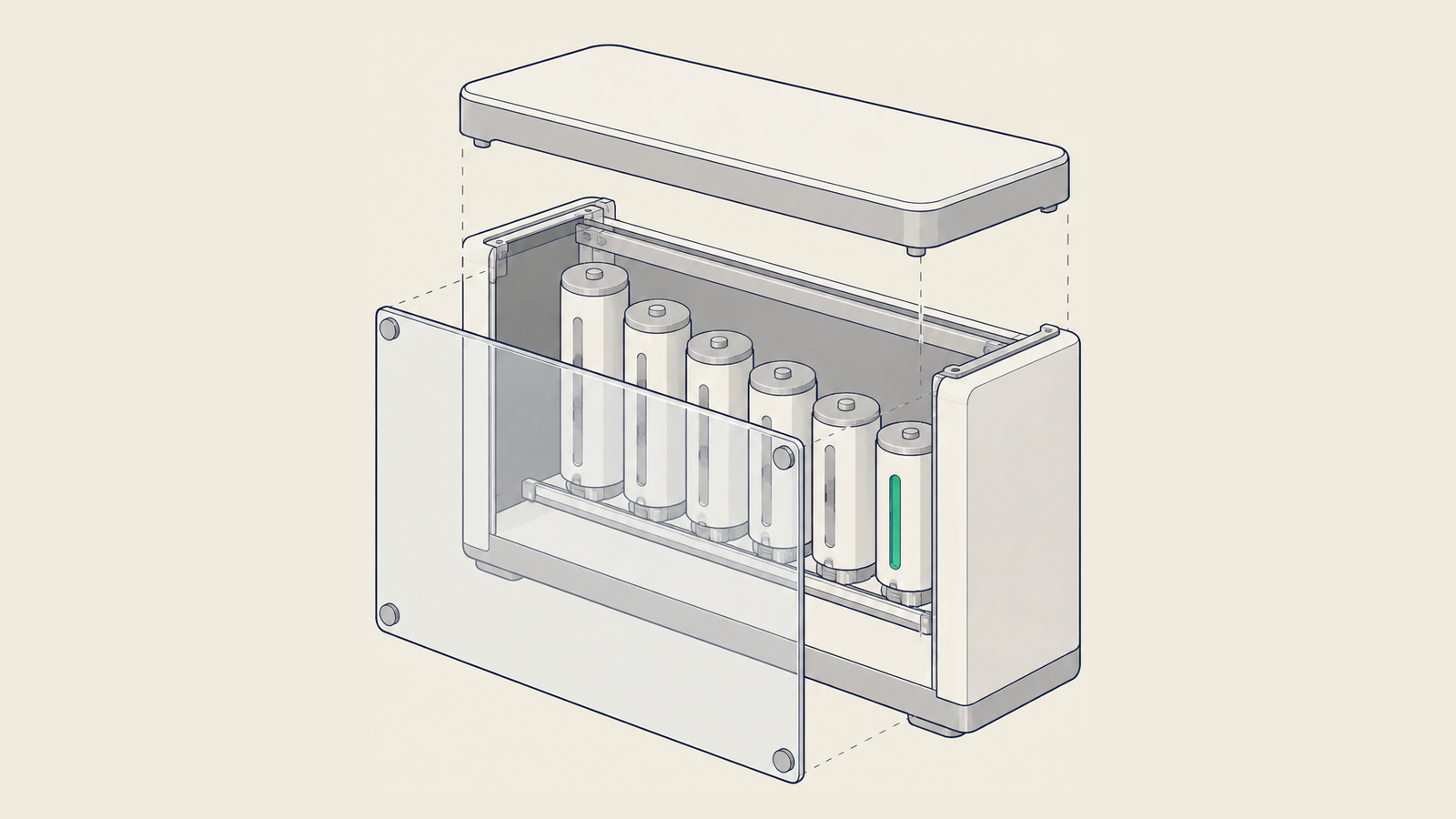
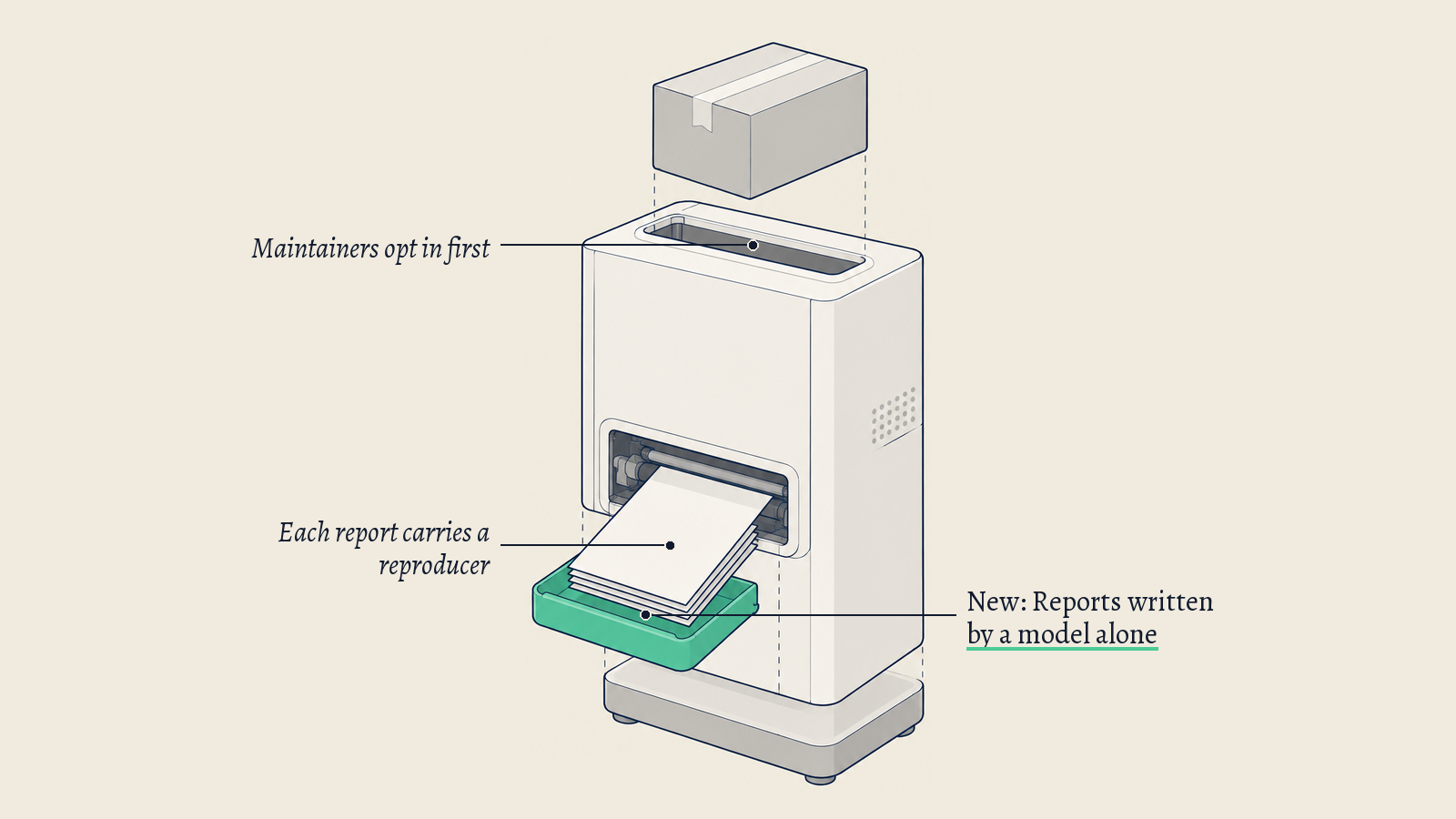
Illustration: A matte-white intake cabinet with a top slot and a front tray; its green output tray stands for reports a model writes without a person reviewing them.Illustration made with AI for ai notis

Anthropic launched OSS Scanner on 8 October, an opt-in service for open-source maintainers, and says its reports are fully model-generated, without human review or triage.

SOURCEAnthropic · 2 sources
CHECKED12 Oct, 04:27
Safety read
Illustration: A matte-white intake cabinet with a top slot and a front tray; its green output tray stands for reports a model writes without a person reviewing them. Safety / 12 OCT

Anthropic's OSS Scanner writes vulnerability reports without human review

  • Anthropic says each report includes a self-contained reproducer and an explanation, plus a bisection and a candidate patch where possible, and that the outputs are fully model-generated.
  • Anthropic says expert penetration testers reviewed 97 critical and high-severity findings across 48 projects, and 85 of them met the bar for its coordinated vulnerability disclosure process.
  • Anthropic's disclosure dashboard, which counts findings from all Claude models, lists 6,157 reported to maintainers as of 2 October; 4,824 were reported direct by Anthropic and may contain false positives.

Anthropic launched OSS Scanner on 8 October 2026 as an opt-in vulnerability-finding service for open-source software. Core maintainers of eligible projects enrol by submitting a pull request to Anthropic's GitHub repository. Anthropic's post says the scanner's outputs are fully model-generated, without human review or triage. Each report includes a self-contained reproducer and an explanation of the vulnerability, with a bisection and a candidate patch where available. Anthropic reports that expert penetration testers reviewed 97 critical and high-severity findings across 48 projects, and that 85 of them met the bar for its coordinated vulnerability disclosure process. Anthropic's disclosure dashboard, which counts findings from all Claude models rather than OSS Scanner alone, shows as of 2 October 2026 6,157 findings reported to maintainers, of which 4,824 were reported direct to maintainers by Anthropic and, the dashboard says, may contain false positives. The same dashboard shows 516 patched upstream. The dashboard also shows 29,439 candidate vulnerabilities, of which 6,123 were reviewed by external security firms.

What it means for you Our view

Anthropic says the scanner's reports are written by a model and not reviewed by a person. For a maintainer, a report is therefore a lead to check, even though Anthropic's testers found that 85 of 97 sampled critical and high-severity findings met its disclosure bar. The dashboard figures cover Claude models in general, so they do not show how OSS Scanner itself performs. If you maintain an open-source project, read the enrolment steps before opting in and decide who will triage incoming reports. If you depend on open-source packages, ask your suppliers how they handle machine-written reports.

TAGSAnthropicOSS ScannerOpen sourceVulnerability disclosure
Anthropic · 2 sources tap to close
Tooling 12 OCT

Anthropic adds dynamic workflows in beta to Claude Managed Agents

AnthropicClaude Managed AgentsDynamic workflows
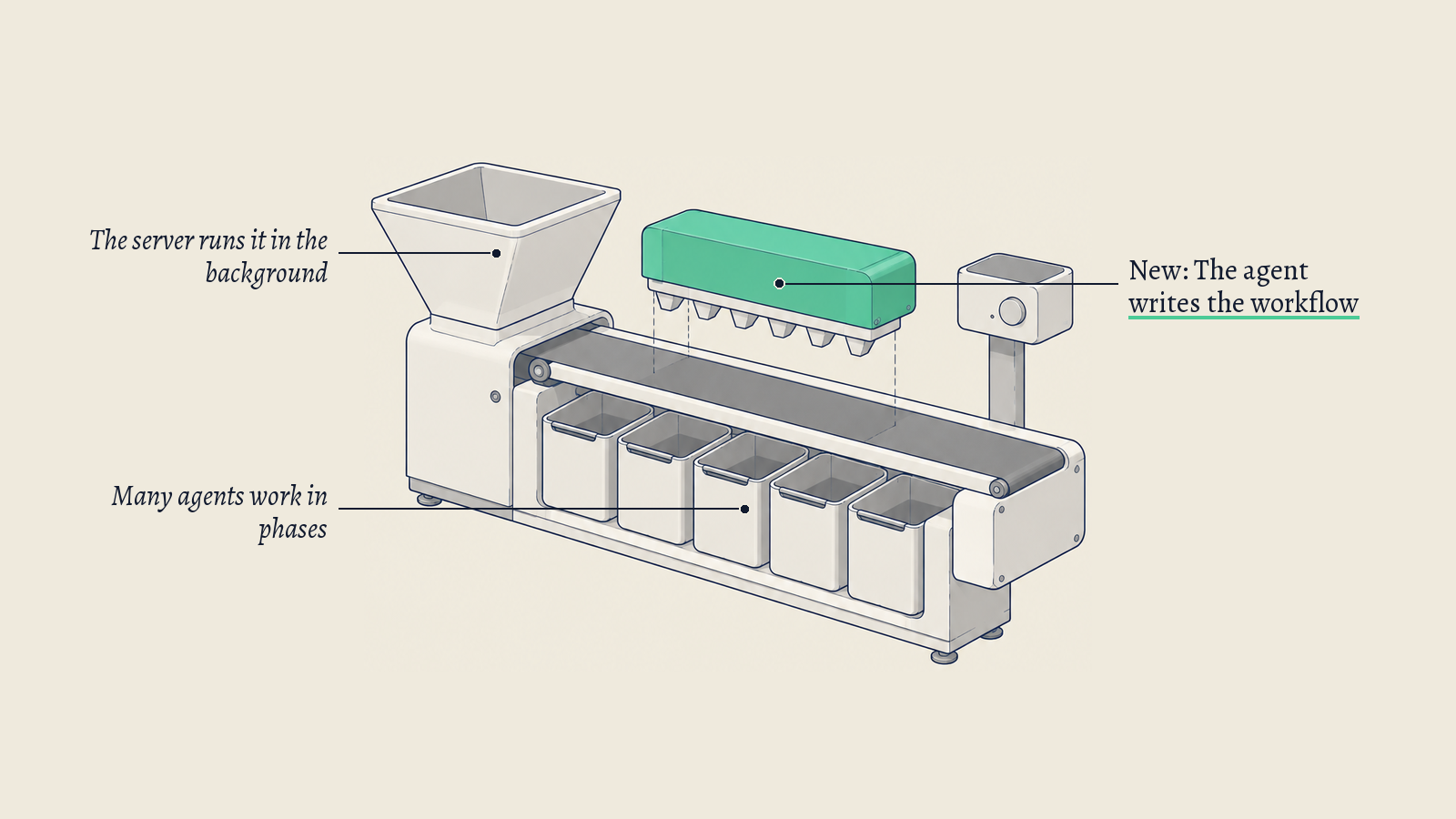
Illustration: A tabletop sorting machine with a hopper, belt and row of bays; its green control unit stands for a workflow that spreads work across many agents.Illustration made with AI for ai notis

Anthropic's release notes for 9 October say a Claude Managed Agents agent can now write a workflow that runs many agents in phases, run by the server in the background.

SOURCEAnthropic · 1 source
CHECKED12 Oct, 04:28
Tooling read
Illustration: A tabletop sorting machine with a hopper, belt and row of bays; its green control unit stands for a workflow that spreads work across many agents. Tooling / 12 OCT

Anthropic adds dynamic workflows in beta to Claude Managed Agents

  • Anthropic defines a workflow as a program that runs many agents in phases and combines their results, run by the server in the background as a workflow run.
  • Dynamic workflows are in beta with the managed-agents-2026-04-01 beta header, and are turned on by setting the agent's multiagent field to type multiagent_20261001 with workflows enabled.
  • Anthropic says to tell the agent in its system prompt when to start a run, and to follow each run through workflow_run.* events on the session's event stream.

Anthropic's Claude Platform release notes for 9 October 2026 say a Claude Managed Agents agent can now use dynamic workflows, in beta with the managed-agents-2026-04-01 beta header. For work with many pieces, such as reviewing hundreds of documents, the agent can write a workflow. Anthropic defines a workflow as a program that runs many agents in phases and combines their results, and says the server runs it in the background as a workflow run.

To turn the feature on, the agent's multiagent field is set to {"type": "multiagent_20261001", "workflows": {"type": "enabled"}}. Anthropic says to guide the agent by telling it in its system prompt when to start a run, and that each run can be followed through workflow_run.* events on the session's event stream.

What it means for you Our view

Anthropic names reviewing hundreds of documents as the kind of job where an agent can write a workflow. The release notes describe how to switch it on and follow it, but give no figures on cost, speed or accuracy, so this is a beta to test rather than a result to rely on. Because the system prompt tells the agent when to start a run, its wording matters. If you use Managed Agents, try it on one document-review job in a test environment and watch the workflow_run events to see how many runs the agent starts.

TAGSAnthropicClaude Managed AgentsDynamic workflows
Anthropic · 1 source tap to close
Work 12 OCT

Wharton's Mollick says managers now give interns' work to AI

ApprenticeshipEntry-level workThe Prof G PodWharton School
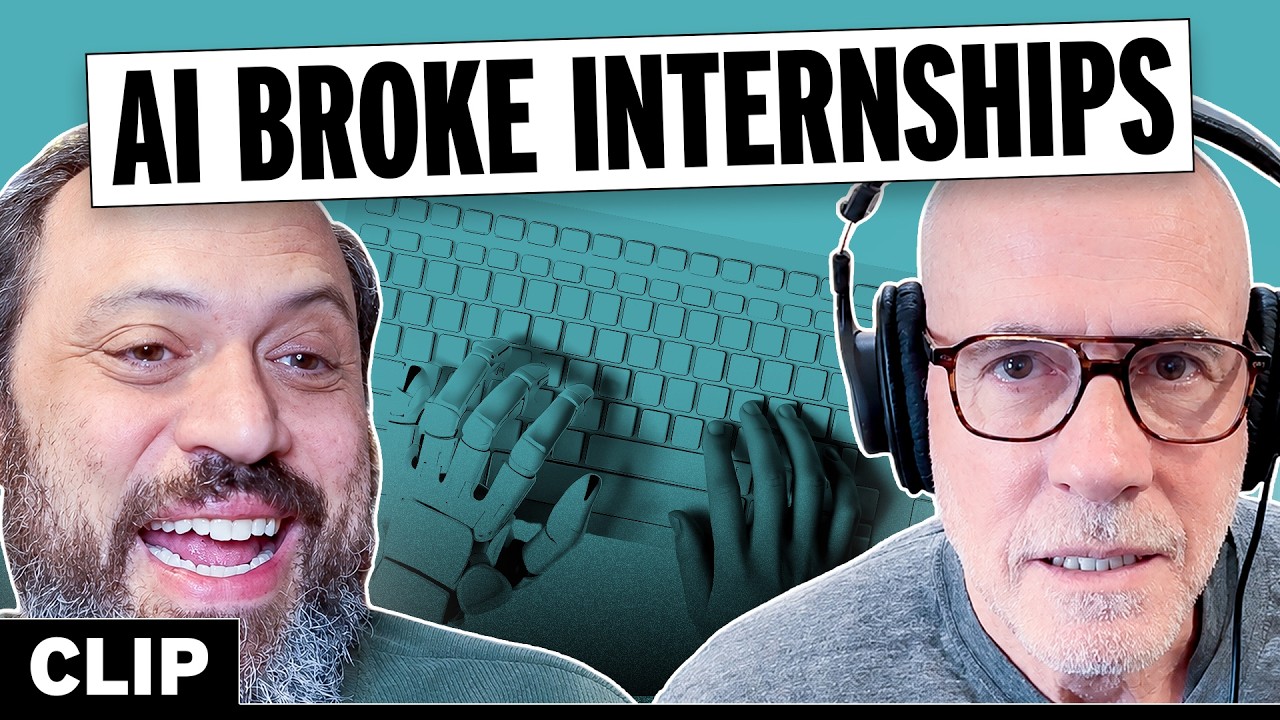
"It Does the Work and Doesn't Cry" — Ethan Mollick on AI Replacing Interns: a video from The Prof G Pod – Scott Galloway on YouTubeVideo: The Prof G Pod – Scott Galloway on YouTube

Ethan Mollick of the Wharton School told Scott Galloway on The Prof G Pod, in a clip published on 10 October 2026, that managers increasingly turn to AI instead of interns.

SOURCEThe Prof G Pod - Scott Galloway (YouTube) · 2 sources
CHECKED12 Oct, 04:26
"It Does the Work and Doesn't Cry" — Ethan Mollick on AI Replacing Interns: a video from The Prof G Pod – Scott Galloway on YouTube Work / 12 OCT

Wharton's Mollick says managers now give interns' work to AI

  • Mollick says last summer's interns "absolutely were using Claude or, you know, chat GPT", the automatic captions' spelling of ChatGPT (02:19).
  • He says "middle managers were increasingly turning to using AI instead of interns, cuz it it does the work and doesn't cry" (02:24).
  • He says the result was a loop in which "nobody was learning the sort of entry skills before" (02:31).

The clip was published on The Prof G Pod's YouTube channel on 10 October 2026 and runs about 12 minutes. In it, host Scott Galloway says he sees "absolutely no evidence that AI is disrupting higher ed" (00:17). Ethan Mollick, an associate professor of management at the Wharton School, answers that he agrees there is no sign AI is devastating higher education (00:56). He then describes how people learn a job through apprenticeship, with a junior person writing deal memos over and over (01:50). Mollick says that if you were an intern last summer, you "absolutely were using Claude or, you know, chat GPT" (02:19), the automatic captions' rendering of ChatGPT. He says "middle managers were increasingly turning to using AI instead of interns" (02:24). He says the result was a loop in which nobody was learning the entry skills before (02:31). From that he says people will need to think more about how they educate people formally in a world where informal education becomes harder (02:37). On research, Mollick says "human peer-review is suffering under a flood of tons of papers being produced with AI help" (05:42). He says of his own work that "I use AI for everything" (04:49). These are Mollick's observations in a podcast clip; he cites no study for the intern claim in the clip.

What it means for you Our view

This is Mollick's account in a podcast clip, and the clip cites no study for the claim about interns. It still names a risk managers can check in their own teams. Mollick says people have learned a job through apprenticeship for 4,000 years, with a junior person writing deal memos over and over, and he says that formal education will need more thought if informal learning gets harder. If you manage junior staff, list the tasks you now give to AI that you once gave to them, and decide which of those a junior person should still do by hand.

TAGSApprenticeshipEntry-level workThe Prof G PodWharton School
NOTHING IN THIS FILTER No story today matches. open the archive →
That's today's news: three stories. ExplainedHow an agent harness runs a model and enforces limits

The morning email

On the mornings we publish: the three top stories and up to four short ones. Free.

We email you a link to confirm. An issue may include one sponsor, always labelled Sponsored · Advertisement. Our emails count opens and clicks, not who made them. Unsubscribe in one click. What we keep

1 of 3
Illustration: A matte-white intake cabinet with a top slot and a front tray; its green output tray stands for reports a model writes without a person reviewing them. Illustration made with AI for ai notis

Safety · 12 OCTnarrowed

Anthropic's OSS Scanner writes vulnerability reports without human review

Anthropic launched OSS Scanner on 8 October, an opt-in service for open-source maintainers, and says its reports are fully model-generated, without human review or triage.

  • Anthropic says each report includes a self-contained reproducer and an explanation, plus a bisection and a candidate patch where possible, and that the outputs are fully model-generated.
  • Anthropic says expert penetration testers reviewed 97 critical and high-severity findings across 48 projects, and 85 of them met the bar for its coordinated vulnerability disclosure process.
  • Anthropic's disclosure dashboard, which counts findings from all Claude models, lists 6,157 reported to maintainers as of 2 October; 4,824 were reported direct by Anthropic and may contain false positives.
Checked 12 Oct, 04:27 · Anthropic · 2 sources
Illustration: A tabletop sorting machine with a hopper, belt and row of bays; its green control unit stands for a workflow that spreads work across many agents. Illustration made with AI for ai notis

Tooling · 12 OCT

Anthropic adds dynamic workflows in beta to Claude Managed Agents

Anthropic's release notes for 9 October say a Claude Managed Agents agent can now write a workflow that runs many agents in phases, run by the server in the background.

  • Anthropic defines a workflow as a program that runs many agents in phases and combines their results, run by the server in the background as a workflow run.
  • Dynamic workflows are in beta with the managed-agents-2026-04-01 beta header, and are turned on by setting the agent's multiagent field to type multiagent_20261001 with workflows enabled.
  • Anthropic says to tell the agent in its system prompt when to start a run, and to follow each run through workflow_run.* events on the session's event stream.
Checked 12 Oct, 04:28 · Anthropic · 1 source
"It Does the Work and Doesn't Cry" — Ethan Mollick on AI Replacing Interns: a video from The Prof G Pod – Scott Galloway on YouTube Watch on YouTubeVideo: The Prof G Pod – Scott Galloway on YouTube

Work · 12 OCT

Wharton's Mollick says managers now give interns' work to AI

Ethan Mollick of the Wharton School told Scott Galloway on The Prof G Pod, in a clip published on 10 October 2026, that managers increasingly turn to AI instead of interns.

  • Mollick says last summer's interns "absolutely were using Claude or, you know, chat GPT", the automatic captions' spelling of ChatGPT (02:19).
  • He says "middle managers were increasingly turning to using AI instead of interns, cuz it it does the work and doesn't cry" (02:24).
  • He says the result was a loop in which "nobody was learning the sort of entry skills before" (02:31).
Checked 12 Oct, 04:26 · The Prof G Pod - Scott Galloway (YouTube) · 2 sources

You're all caught up

That's today's news: three stories.

ExplainedHow an agent harness runs a model and enforces limits

You can join ai notis soon, to follow cases and keep stories on every device.

Follow us on Instagram and Threads

The morning email

On the mornings we publish: the three top stories and up to four short ones. Free.

We email you a link to confirm. An issue may include one sponsor, always labelled Sponsored · Advertisement. Our emails count opens and clicks, not who made them. Unsubscribe in one click. What we keep

No story today matches. Open the archive
Today's stories 3 STORIES

Today's stories

Mon 12 Oct · 3 STORIES
  1. Safety · 12 OCT · narrowed

    Anthropic's OSS Scanner writes vulnerability reports without human review

    Illustration: A matte-white intake cabinet with a top slot and a front tray; its green output tray stands for reports a model writes without a person reviewing them.Illustration made with AI for ai notis

    Anthropic launched OSS Scanner on 8 October, an opt-in service for open-source maintainers, and says its reports are fully model-generated, without human review or triage.

    Checked 12 Oct, 04:27 · Anthropic · 2 sourcesRead

  2. Tooling · 12 OCT

    Anthropic adds dynamic workflows in beta to Claude Managed Agents

    Illustration: A tabletop sorting machine with a hopper, belt and row of bays; its green control unit stands for a workflow that spreads work across many agents.Illustration made with AI for ai notis

    Anthropic's release notes for 9 October say a Claude Managed Agents agent can now write a workflow that runs many agents in phases, run by the server in the background.

    Checked 12 Oct, 04:28 · Anthropic · 1 sourceRead

  3. Work · 12 OCT

    Wharton's Mollick says managers now give interns' work to AI

    "It Does the Work and Doesn't Cry" — Ethan Mollick on AI Replacing Interns: a video from The Prof G Pod – Scott Galloway on YouTubeVideo: The Prof G Pod – Scott Galloway on YouTube

    Ethan Mollick of the Wharton School told Scott Galloway on The Prof G Pod, in a clip published on 10 October 2026, that managers increasingly turn to AI instead of interns.

    Checked 12 Oct, 04:26 · The Prof G Pod - Scott Galloway (YouTube) · 2 sourcesRead

toned down Safety 12 OCT

Anthropic's OSS Scanner writes vulnerability reports without human review

Anthropic launched OSS Scanner on 8 October, an opt-in service for open-source maintainers, and says its reports are fully model-generated, without human review or triage.

Anthropic · 2 sources·checked 12 Oct, 04:27
AnthropicOSS ScannerOpen sourceVulnerability disclosure
Illustration: A matte-white intake cabinet with a top slot and a front tray; its green output tray stands for reports a model writes without a person reviewing them.Illustration made with AI for ai notis
Tooling

Anthropic adds dynamic workflows in beta to Claude Managed Agents

Anthropic's release notes for 9 October say a Claude Managed Agents agent can now write a workflow that runs many agents in phases, run by the server in the background.

12 OCT · Anthropic · 1 source
Work

Wharton's Mollick says managers now give interns' work to AI

Ethan Mollick of the Wharton School told Scott Galloway on The Prof G Pod, in a clip published on 10 October 2026, that managers increasingly turn to AI instead of interns.

12 OCT · The Prof G Pod - Scott Galloway (YouTube) · 2 sources

Explained

One idea behind the news
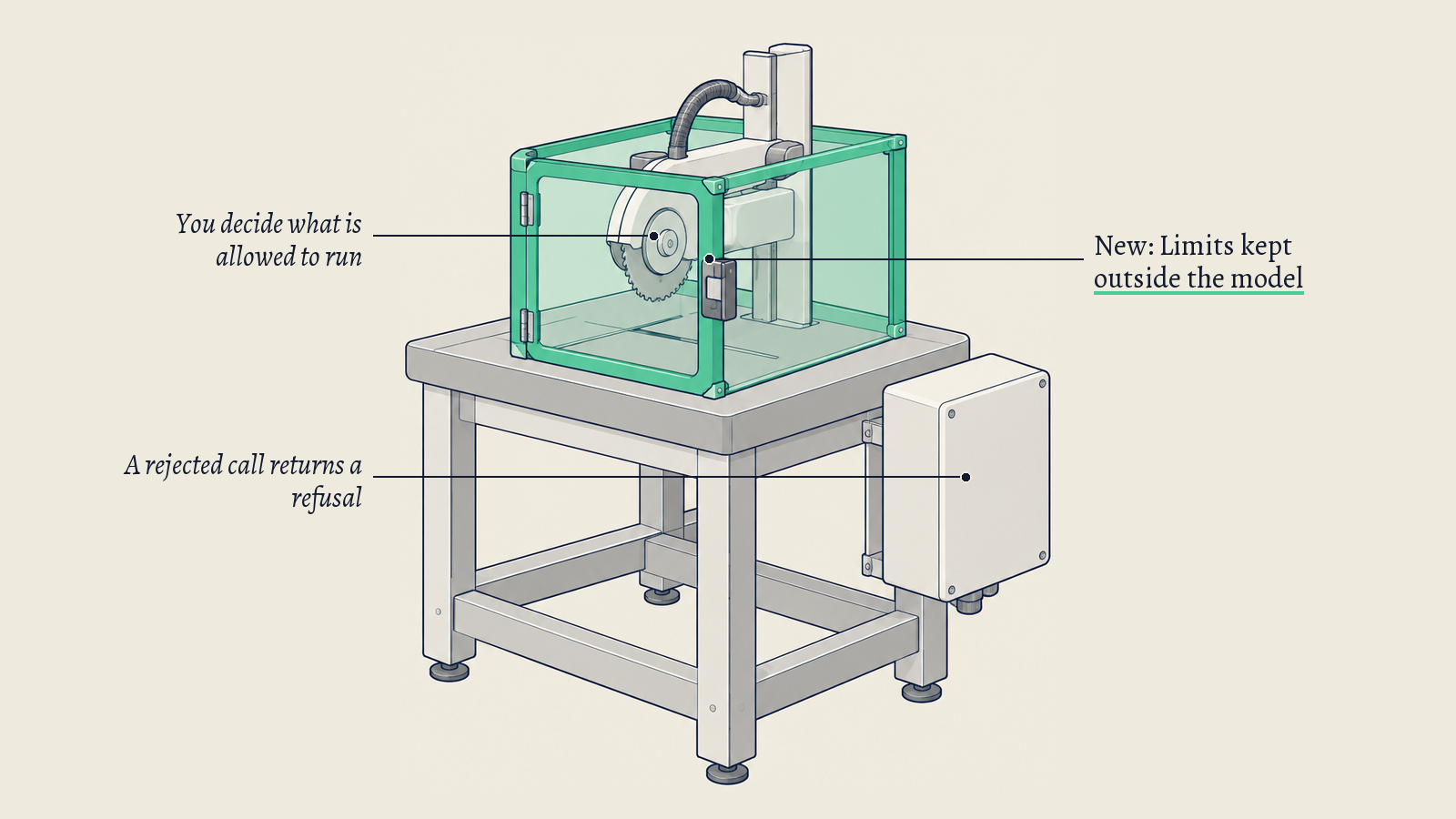
Tooling How an agent harness runs a model and enforces limits A harness is the code that runs a model in a loop, executes its tool calls and applies limits such as allowed tools, turn caps and hooks.
In brief 4 more today
0 of 3 read
Drag a card to start Drag left or right · tap to read more Hover to lift a card · tap to bring it forward Tap again to put it back Tap a card to open it Tap again to close it Tap a headline to read it as a card