2026-10-25 notis CATEGORY Join
Show Read as Find Sections Models and releasesAgents and appsResearchMoney and computeLaws and rulingsSafety and securityAI at work More ArchiveModelsAboutCorrectionsThe numbersRSS
My notis
TODAY'S NEWS
October 2026 3 STORIES
MTWTFSS
1 2 3 4 5 6 7 8 9 10 11 12 13 14 15 16 17 18 19 20 21 22 23 24 25 26 27 28 29 30 31

Days with a dot have news. See the archive.

The whole week ›
13:21
0/3
WEATHER THEME CARD SPACING

Today's news

today

My page

Kept in this browser only.

SAVED FOLLOWING COLLECTIONS READING SINCE
Nothing saved yet. Tap the bookmark on a card to keep it here. read today
all cases

No case followed yet.

Price changes Stories where a published price went up or down.
Models being retired Models being withdrawn, and gaps before a replacement is ready.
The day's top stories. Sign up
toned down Work 25 OCT

Pichai says Google's rollbacks fell a third after Gemini 4 Argon launched

DatacentreGeminiGoogle
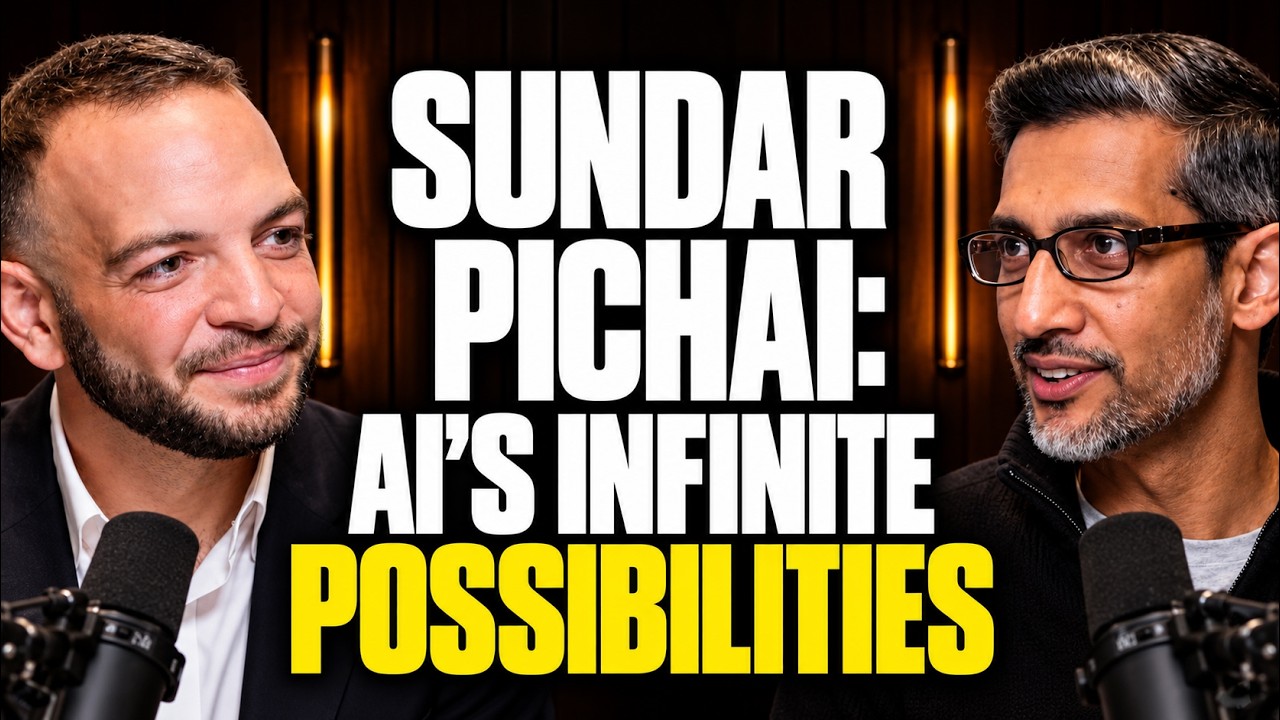
Sundar Pichai: Path To Recursive Self-Improvement, Compute Allocation Dilemma, Future AI Interfaces: a video from Alex Kantrowitz on YouTubeVideo: Alex Kantrowitz on YouTube

In a Big Technology interview with Alex Kantrowitz, uploaded 20 October, Pichai gave Google's own figures for Gemini 4 Argon and a commitment on power for data-centre projects.

SOURCEAlex Kantrowitz (Big Technology) · 4 sources
CHECKED25 Oct, 05:57
Sundar Pichai: Path To Recursive Self-Improvement, Compute Allocation Dilemma, Future AI Interfaces: a video from Alex Kantrowitz on YouTube Work / 25 OCT

Pichai says Google's rollbacks fell a third after Gemini 4 Argon launched

  • Pichai said that in the four weeks since Google launched Argon it saw a "1/3 decrease in like rollbacks" (38:24).
  • He also cited a 30% increase, but the captions render the measure as "sales" in one cut and "CLS" in another, so what was measured is unclear (38:12).
  • Pichai said Google is "committed to making sure we are bringing incremental power and we cover the 100% cost of our power needs uh for these projects" (39:27).

Sundar Pichai, Google's chief executive, answered Alex Kantrowitz's questions in an interview published on the Big Technology YouTube channel on 20 October 2026. Big Technology posted an 11-minute video on 24 October titled "Sundar Pichai: Anthropic, SpaceX, TPUs in Space and more".

Asked what share of Google's code AI now writes, Pichai said the number is "meaningless" because every part of code Google touches is influenced by AI. He said that in the four weeks since Google launched Argon it saw a 30% increase in a measure the automatic captions render as "sales" (the 24 October video's captions give "CLS"), and a one-third decrease in rollbacks.

Asked about opposition to data centres, Pichai said Google is committed to bringing incremental power and covering 100% of the cost of its power needs for these projects. Asked why Google backs Anthropic, he said that when Google looked at Anthropic's founding team it was clear it was a world-class team that would be at the frontier, and that Google has done the same with SpaceX.

What it means for you Our view

Treat these as a vendor's own figures about its own engineers. Google's 13 October post names Gemini 4 Argon and gives a similar rollback figure, nearly a third, with agentic code submissions up by more than 35%; Pichai's 30% figure has no clear measure behind it. The power commitment is for "these projects", which is narrower than all Google data centres. If you are weighing Argon for coding work, ask Google which measures it uses and over what period, and track rollbacks on your own repositories during a trial.

TAGSDatacentreGeminiGoogle
Safety 25 OCT

Gates expects significant AI job and cyber harms within two to three years

Decodercyber attacksjobs
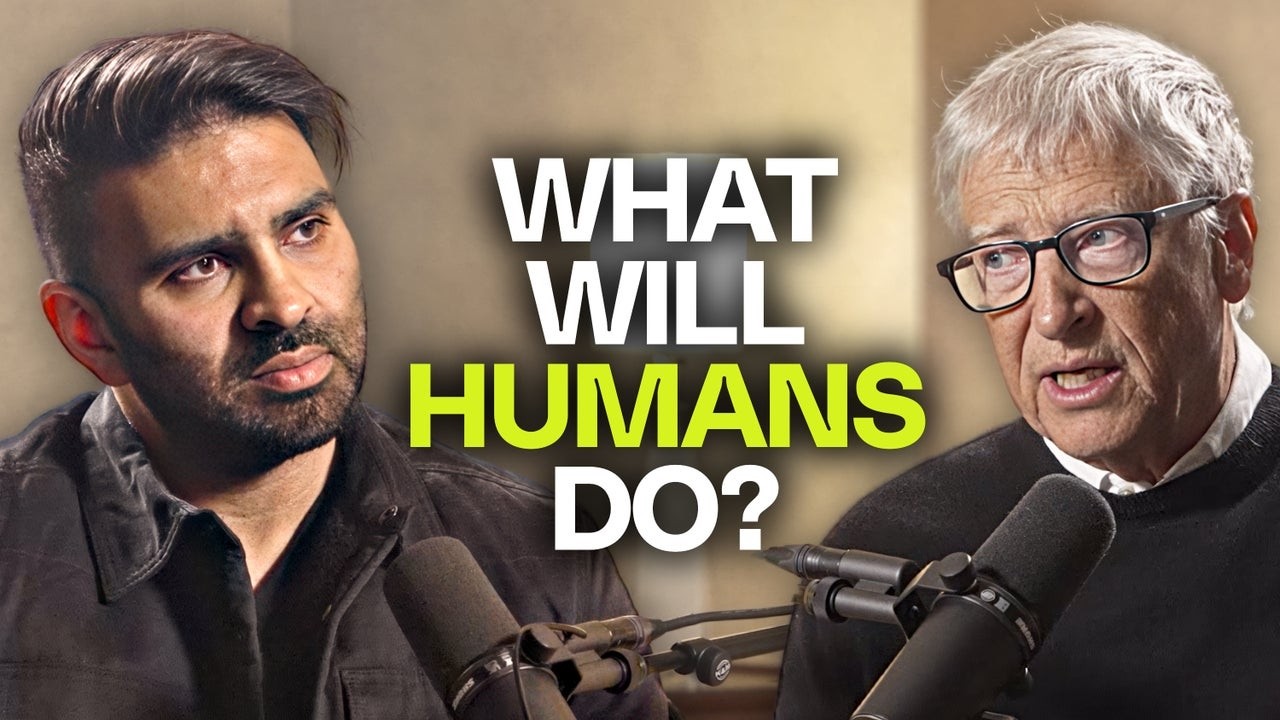
Video thumbnail for the Decoder interview with Bill Gates, titled Bill Gates says to prepare for 20 years of tumultuous AI disruptionVideo: Decoder with Nilay Patel on YouTube

Bill Gates told Nilay Patel on Decoder, in a video published 22 October, that cyber attacks and the job market will see significant negative effects within two to three years.

SOURCEGates Foundation · 2 sources
CHECKED24 Oct, 04:30
Safety watch read
Video thumbnail for the Decoder interview with Bill Gates, titled Bill Gates says to prepare for 20 years of tumultuous AI disruption Safety / 25 OCT

Gates expects significant AI job and cyber harms within two to three years

  • Gates said "even in the next 2 to 3 years, you'll see significant negative effects in in those two areas", naming cyber attacks and the job market (49:25).
  • His big concern is a 20-year transition period "where it'll have winners and losers and a lot of disruption", a length he picked "as a reasonably safe number" (42:00, 42:19).
  • Gates said the notion that liability laws are how we manage AI safety "will be looked back on as as kind of absurd" (53:53).

Bill Gates, co-founder of Microsoft and chair of the Gates Foundation, was interviewed by Nilay Patel on the Decoder podcast. The video, "Bill Gates says to prepare for 20 years of tumultuous AI disruption", was published on the Decoder YouTube channel on 22 October 2026.

Asked whether he had become a doomer, Gates said "No, I'm not a doomer" (00:02). Of the response so far, he said it "hasn't been adequate to the speed that that the challenge is arising" (01:24). On timing, he said "some of the things like cyber attacks and the job market thing, you know, even in the next 2 to 3 years, you'll see significant negative effects in in those two areas" (49:25). Of the longer horizon he said "My big concern is this 20-year transition period, where it'll have winners and losers and a lot of disruption" (42:00), and that he picked 20 years "as a reasonably safe number" (42:19).

Patel read out a line from Gates's letter calling for a response greater than the US national security response after 9/11 and asked about an international body (49:49); Gates answered "Absolutely." (50:05). On liability, Gates said "The notion that liability laws are how we're going to manage AI safety will be looked back on as as kind of absurd" (53:53). On open-weight models he said "I do think allowing people through open weights to remove all safeguards" (51:18) "is irresponsible" (51:25), and "I would hope that uh models above a certain capability uh that we find a way to require the safeguards and monitoring to be maintained in those models" (54:53).

What it means for you Our view

This is Gates's view, not a forecast we can check. He says the response so far "hasn't been adequate to the speed that that the challenge is arising", calls allowing people to remove all safeguards through open weights irresponsible, and hopes models above a certain capability will be required to keep safeguards and monitoring. His time frame, two to three years, falls inside most planning cycles. Check whether your security review and your workforce plan for the next two to three years assume AI changes nothing, and write down what would change them.

TAGSDecodercyber attacksjobs
Laws 25 OCT

What fair use is, and the four factors a US court weighs

Fair useUS Copyright Officecopyright
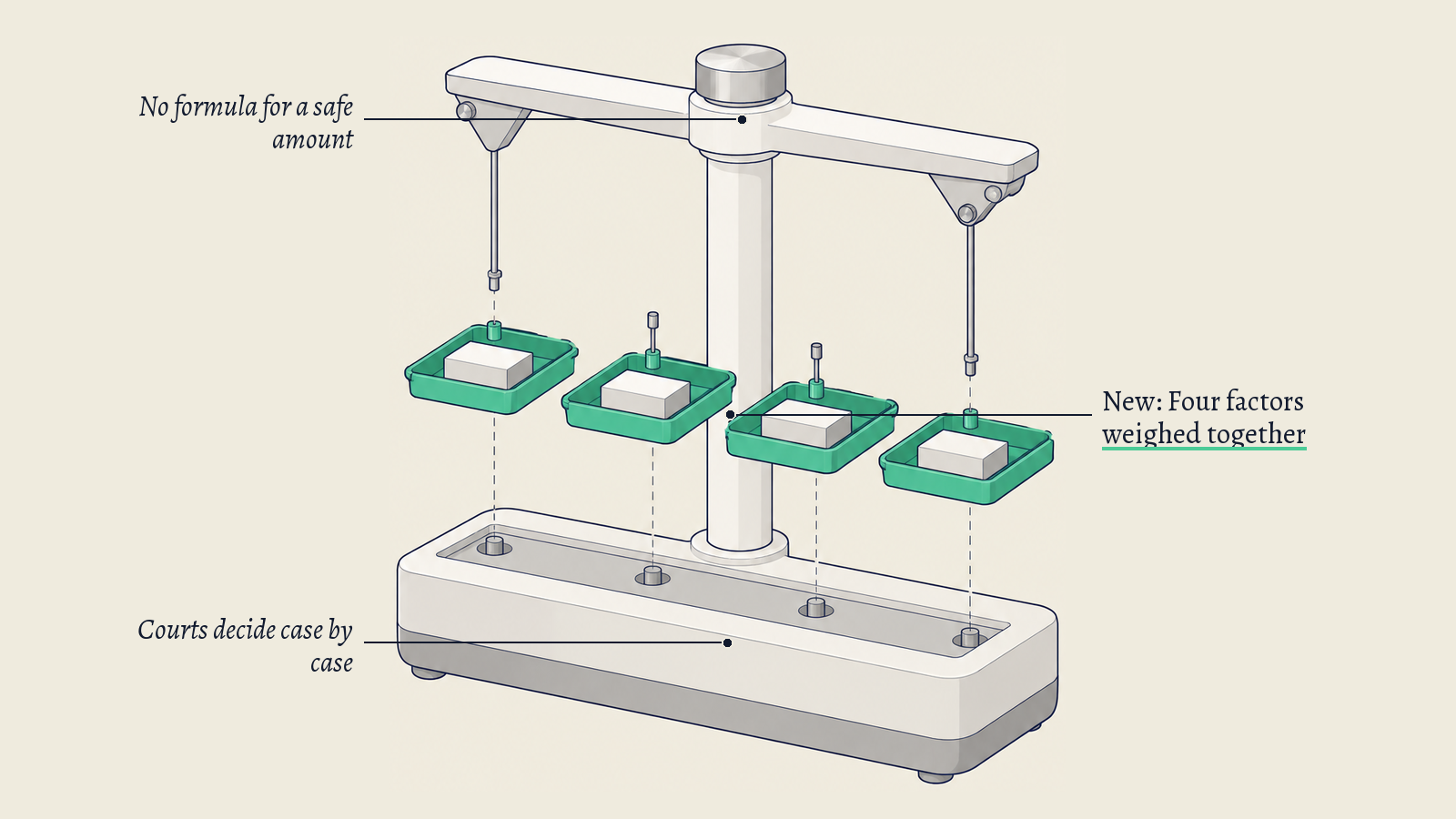
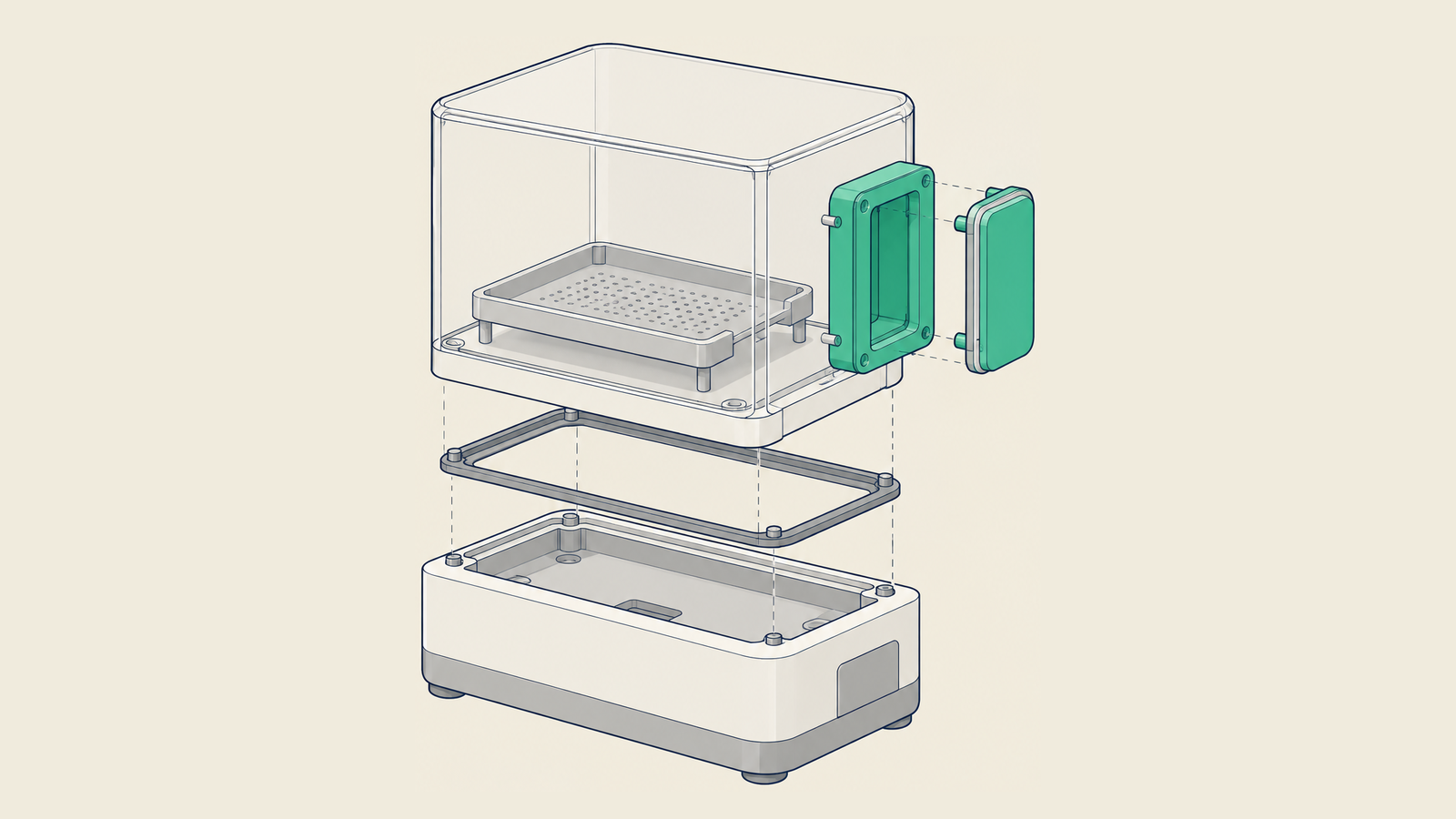
Illustration: A balance scale with four separate weighing pans in a row; the green pans stand for the four factors a court weighs in a fair use question.Illustration made with AI for ai notis

Fair use is the US doctrine that lets some copying go unlicensed; the Copyright Office says courts decide it case by case, and it is examining AI training.

SOURCEU.S. Copyright Office · 3 sources
CHECKED25 Oct, 05:57
Laws read
Illustration: A balance scale with four separate weighing pans in a row; the green pans stand for the four factors a court weighs in a fair use question. Laws / 25 OCT

What fair use is, and the four factors a US court weighs

  • Section 107 lists four factors: purpose and character of the use, nature of the work, amount used, and effect on the work's potential market or value.
  • The Copyright Office says courts decide fair use claims case by case, that the outcome depends on a fact-specific inquiry, and that other factors may also be considered.
  • The Office says there is no formula giving a predetermined percentage or amount of a work that may be used without permission.

Fair use is a legal doctrine in US copyright law. It permits the unlicensed use of copyright-protected works in certain circumstances. Section 107 of Title 17 lists purposes such as criticism, comment, news reporting, teaching, scholarship and research, and the Copyright Office describes them as examples of activities that may qualify. Section 107 says that in deciding whether a use in any particular case is a fair use, the factors to be considered include four. The four are the purpose and character of the use, including whether it is commercial; the nature of the copyrighted work; the amount and substantiality of the portion used compared with the whole work; and the effect of the use on the potential market for or value of the work. The Copyright Office says there is no formula to ensure that a predetermined percentage or amount of a work may be used without permission. It says courts decide fair use claims case by case and that the outcome depends on a fact-specific inquiry. Other factors may also be considered, depending on the circumstances. The Office is also examining the use of copyrighted materials in AI training and released a pre-publication Part 3 report on generative AI training on 9 May 2025.

What it means for you Our view

If your team feeds third-party text, images or code into AI work, a rule of thumb about how much is safe has no support: the Copyright Office says there is no such formula and courts decide on the facts. The four factors are the questions a court asks: why the use is made and whether it is commercial, what kind of work it is, how much is used, and what the use does to the market for the original. The Office is also examining AI training and released a pre-publication Part 3 report on 9 May 2025. For a specific use, ask counsel, since the Office says its Index is not legal advice.

TAGSFair useUS Copyright Officecopyright
NOTHING IN THIS FILTER No story today matches. open the archive →
That's today's news: three stories. A short day by one quick hit: three run, and a fourth was held back to be reworded.

The morning email

On the mornings we publish: the three top stories and up to four short ones. Free.

We email you a link to confirm. An issue may include one sponsor, always labelled Sponsored · Advertisement. Our emails count opens and clicks, not who made them. Unsubscribe in one click. What we keep

1 of 3
Sundar Pichai: Path To Recursive Self-Improvement, Compute Allocation Dilemma, Future AI Interfaces: a video from Alex Kantrowitz on YouTube Watch on YouTubeVideo: Alex Kantrowitz on YouTube

Work · 25 OCTnarrowed

Pichai says Google's rollbacks fell a third after Gemini 4 Argon launched

In a Big Technology interview with Alex Kantrowitz, uploaded 20 October, Pichai gave Google's own figures for Gemini 4 Argon and a commitment on power for data-centre projects.

  • Pichai said that in the four weeks since Google launched Argon it saw a "1/3 decrease in like rollbacks" (38:24).
  • He also cited a 30% increase, but the captions render the measure as "sales" in one cut and "CLS" in another, so what was measured is unclear (38:12).
  • Pichai said Google is "committed to making sure we are bringing incremental power and we cover the 100% cost of our power needs uh for these projects" (39:27).
Checked 25 Oct, 05:57 · Alex Kantrowitz (Big Technology) · 4 sources
Video thumbnail for the Decoder interview with Bill Gates, titled Bill Gates says to prepare for 20 years of tumultuous AI disruption Watch on YouTubeVideo: Decoder with Nilay Patel on YouTube

Safety · 25 OCT

Gates expects significant AI job and cyber harms within two to three years

Bill Gates told Nilay Patel on Decoder, in a video published 22 October, that cyber attacks and the job market will see significant negative effects within two to three years.

  • Gates said "even in the next 2 to 3 years, you'll see significant negative effects in in those two areas", naming cyber attacks and the job market (49:25).
  • His big concern is a 20-year transition period "where it'll have winners and losers and a lot of disruption", a length he picked "as a reasonably safe number" (42:00, 42:19).
  • Gates said the notion that liability laws are how we manage AI safety "will be looked back on as as kind of absurd" (53:53).
Checked 24 Oct, 04:30 · Gates Foundation · 2 sources
Illustration: A balance scale with four separate weighing pans in a row; the green pans stand for the four factors a court weighs in a fair use question. Illustration made with AI for ai notis

Laws · 25 OCT

What fair use is, and the four factors a US court weighs

Fair use is the US doctrine that lets some copying go unlicensed; the Copyright Office says courts decide it case by case, and it is examining AI training.

  • Section 107 lists four factors: purpose and character of the use, nature of the work, amount used, and effect on the work's potential market or value.
  • The Copyright Office says courts decide fair use claims case by case, that the outcome depends on a fact-specific inquiry, and that other factors may also be considered.
  • The Office says there is no formula giving a predetermined percentage or amount of a work that may be used without permission.
Checked 25 Oct, 05:57 · U.S. Copyright Office · 3 sources

You're all caught up

That's today's news: three stories.

You can join ai notis soon, to follow cases and keep stories on every device.

Follow us on Instagram and Threads

The morning email

On the mornings we publish: the three top stories and up to four short ones. Free.

We email you a link to confirm. An issue may include one sponsor, always labelled Sponsored · Advertisement. Our emails count opens and clicks, not who made them. Unsubscribe in one click. What we keep

No story today matches. Open the archive
Today's stories 3 STORIES

Today's stories

Sun 25 Oct · 3 STORIES
  1. Work · 25 OCT · narrowed

    Pichai says Google's rollbacks fell a third after Gemini 4 Argon launched

    Sundar Pichai: Path To Recursive Self-Improvement, Compute Allocation Dilemma, Future AI Interfaces: a video from Alex Kantrowitz on YouTubeVideo: Alex Kantrowitz on YouTube

    In a Big Technology interview with Alex Kantrowitz, uploaded 20 October, Pichai gave Google's own figures for Gemini 4 Argon and a commitment on power for data-centre projects.

    Checked 25 Oct, 05:57 · Alex Kantrowitz (Big Technology) · 4 sourcesRead

  2. Safety · 25 OCT

    Gates expects significant AI job and cyber harms within two to three years

    Video thumbnail for the Decoder interview with Bill Gates, titled Bill Gates says to prepare for 20 years of tumultuous AI disruptionVideo: Decoder with Nilay Patel on YouTube

    Bill Gates told Nilay Patel on Decoder, in a video published 22 October, that cyber attacks and the job market will see significant negative effects within two to three years.

    Checked 24 Oct, 04:30 · Gates Foundation · 2 sourcesRead

  3. Laws · 25 OCT

    What fair use is, and the four factors a US court weighs

    Illustration: A balance scale with four separate weighing pans in a row; the green pans stand for the four factors a court weighs in a fair use question.Illustration made with AI for ai notis

    Fair use is the US doctrine that lets some copying go unlicensed; the Copyright Office says courts decide it case by case, and it is examining AI training.

    Checked 25 Oct, 05:57 · U.S. Copyright Office · 3 sourcesRead

toned down Work 25 OCT

Pichai says Google's rollbacks fell a third after Gemini 4 Argon launched

In a Big Technology interview with Alex Kantrowitz, uploaded 20 October, Pichai gave Google's own figures for Gemini 4 Argon and a commitment on power for data-centre projects.

Alex Kantrowitz (Big Technology) · 4 sources·checked 25 Oct, 05:57
DatacentreGeminiGoogle
Sundar Pichai: Path To Recursive Self-Improvement, Compute Allocation Dilemma, Future AI Interfaces: a video from Alex Kantrowitz on YouTubeVideo: Alex Kantrowitz on YouTube
Safety

Gates expects significant AI job and cyber harms within two to three years

Bill Gates told Nilay Patel on Decoder, in a video published 22 October, that cyber attacks and the job market will see significant negative effects within two to three years.

25 OCT · Gates Foundation · 2 sources
Laws

What fair use is, and the four factors a US court weighs

Fair use is the US doctrine that lets some copying go unlicensed; the Copyright Office says courts decide it case by case, and it is examining AI training.

25 OCT · U.S. Copyright Office · 3 sources
In brief 3 more today

A short day by one quick hit: three run, and a fourth was held back to be reworded.

0 of 3 read
Drag a card to start Drag left or right · tap to read more Hover to lift a card · tap to bring it forward Tap again to put it back Tap a card to open it Tap again to close it Tap a headline to read it as a card