2026-11-07 notis CATEGORY Join
Show Read as Find Sections Models and releasesAgents and appsResearchMoney and computeLaws and rulingsSafety and securityAI at work More The monthlyArchiveModelsAboutCorrectionsThe numbersRSS
My notis
TODAY'S NEWS
November 2026 3 STORIES
MTWTFSS
1 2 3 4 5 6 7 8 9 10 11 12 13 14 15 16 17 18 19 20 21 22 23 24 25 26 27 28 29 30

Days with a dot have news. See the archive.

The whole week ›
18:12
0/3
WEATHER THEME CARD SPACING

Today's news

today

My page

Kept in this browser only.

SAVED FOLLOWING COLLECTIONS READING SINCE
Nothing saved yet. Tap the bookmark on a card to keep it here. read today
all cases

No case followed yet.

Price changes Stories where a published price went up or down.
Models being retired Models being withdrawn, and gaps before a replacement is ready.
The day's top stories. Sign up
Compute 7 NOV

Tech fall points to a correction, not a major downtrend, ICMA's Parker argues

AI bubbleBBC NewsDatacentresNasdaq
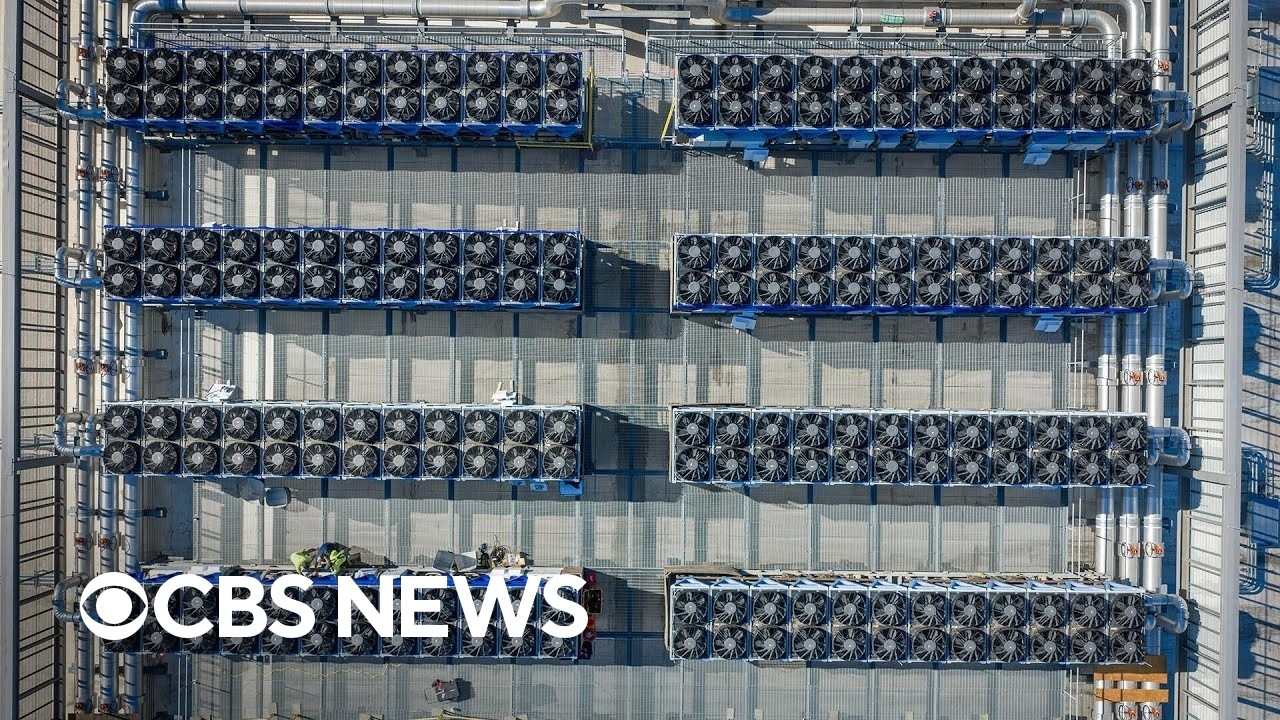
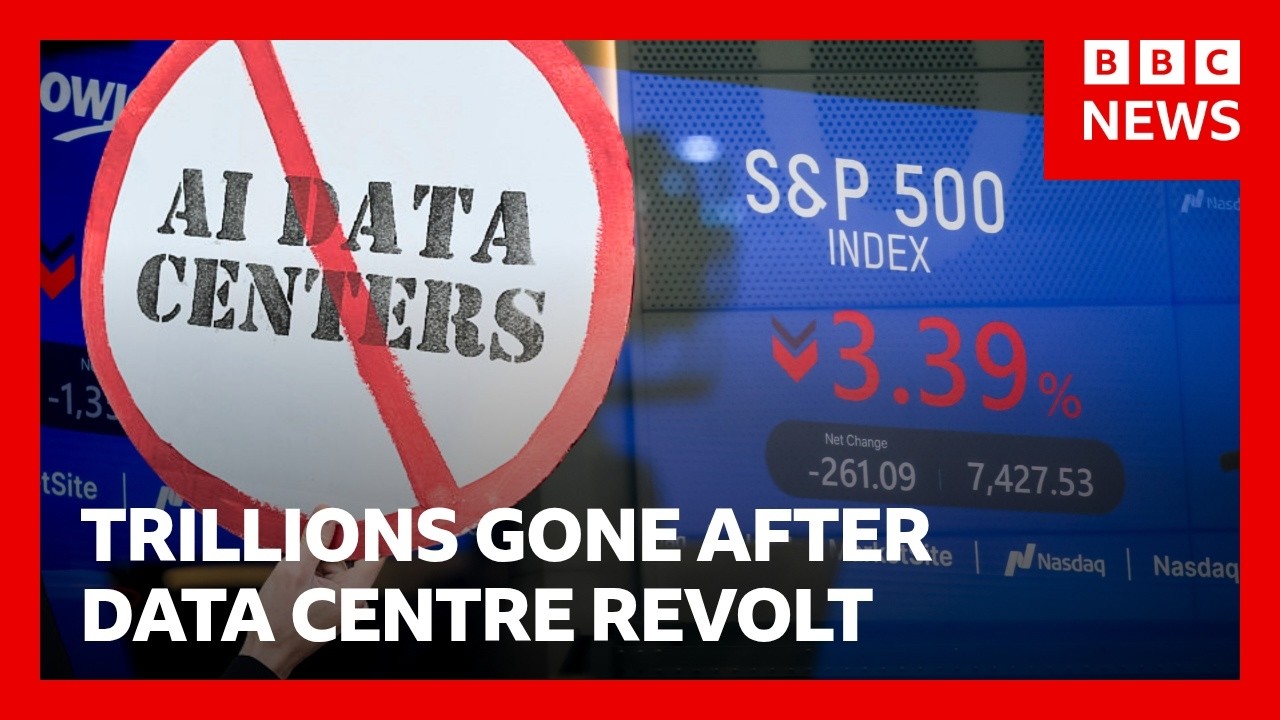
How data centre anger led to a tech stock plunge | BBC News: a video from BBC News on YouTubeVideo: BBC News on YouTube

In a BBC News video of 6 November, Michelle Fleury describes investors' post-election worry about AI data-centre building in the US; the video does not show that caused the fall.

SOURCEBBC News (YouTube) · 3 sources
CHECKED7 Nov, 09:13
Compute watch read
How data centre anger led to a tech stock plunge | BBC News: a video from BBC News on YouTube Compute / 7 NOV

Tech fall points to a correction, not a major downtrend, ICMA's Parker argues

  • Bob Parker, introduced as a senior adviser at the International Capital Market Association, said it "suggests that this is a correction not the start of a major downtrend" (03:46).
  • Parker said of a repeat of the falls of 2008 and 2000: "I think there is a very high probability that is not going to happen again" (03:31).
  • BBC Verify's Ben Chu, citing a poll the video does not name, said around half of US voters called data centres "a crucial or major issue" in the midterms (05:38).

Bob Parker, a senior adviser at the International Capital Market Association, says the fall in US technology shares looks like "a correction not the start of a major downtrend". He said so in a BBC News programme on the fall, published on the BBC News channel on 6 November 2026. He rated a repeat of the 2000 or 2008 falls as very unlikely.

The programme opened with its own figure: "$2.5 trillion wiped off the value of American tech firms in a single day". The video does not say who calculated it, and we have not traced it. Closing values from the index providers show the scale of the day: the Nasdaq Composite closed at 24,315.00 on 5 November, against 25,736.51 the day before, and the S&P 500 at 7,353.73, against 7,688.62.

Michelle Fleury, the BBC's New York business correspondent, says the selling was a "snowball effect" that followed uncertainty after the election about the industry's ability to build more data centres in the United States. That is her account of investors' thinking. The video does not show which cause was right.

BBC Verify's Ben Chu says polling shows "Around half of US voters said they were a crucial or major issue" for them in the midterms. He adds that about three-quarters said they would oppose a new data centre in their community. The poll is not named in the transcript, and we have not opened it.

Zoe Kleinman, the BBC's technology and AI editor, says the AI tools people use now would keep working if fewer data centres were built. In her view, what would slow is how fast the technology improves.

What it means for you Our view

Parker's reading is an opinion about what the fall is, and the video does not show what caused it. Michelle Fleury's account of election uncertainty describes investors' worry, and Chu's polling describes voters' views; neither is shown to have moved prices. For work, Zoe Kleinman, the BBC's technology and AI editor, says the AI tools in use today would keep working and that fewer data centres would slow how fast the technology improves. Nothing in these sources shows a change to vendors, prices or contracts yet. Watch your AI vendors' next price or roadmap notice before treating this as a reason to change a project.

TAGSAI bubbleBBC NewsDatacentresNasdaq
Compute 7 NOV

Sell-off does not signal an AI bubble burst, stockbrokers.com's Inskip says

AI bubbleCBS NewsNasdaqstockbrokers.com
Stocks plunge amid AI concerns after midterm election: a video from CBS News on YouTubeVideo: CBS News on YouTube

CBS News, 5 November: after an anchor said the Nasdaq fell more than 5%, Inskip put the day down to a new kind of uncertainty; the video does not show that was the cause.

SOURCECBS News (YouTube) · 3 sources
CHECKED7 Nov, 09:14
Compute watch read
Stocks plunge amid AI concerns after midterm election: a video from CBS News on YouTube Compute / 7 NOV

Sell-off does not signal an AI bubble burst, stockbrokers.com's Inskip says

  • Jessica Inskip, introduced as director of investor research at stockbrokers.com, said: "I absolutely do not think this will signal an AI bubble burst" (04:07).
  • Inskip said "what changed today is there is a new type of uncertainty that was introduced into the market" (01:38).
  • Inskip, comparing with the dot-com era, said: "We haven't even seen the IPO market heat up to the levels that we saw during the dot-com era" (04:58).

Jessica Inskip, director of investor research at stockbrokers.com, says the 5 November sell-off does not mean an AI bubble is bursting. She told CBS News: "I absolutely do not think this will signal an AI bubble burst." The interview was part of a CBS News special report, published on the CBS News channel on 5 November 2026.

In her view the cause was uncertainty. "what changed today is there is a new type of uncertainty that was introduced into the market," she said. That is one analyst's reading, and the video does not show it was the cause.

She also argued that today's market differs from the dot-com years, saying the IPO market has not heated up to the levels of that era.

The index providers' closing values show the size of the day. The Dow Jones Industrial Average closed at 51,523.06 on 5 November, against 53,356.12 the day before, a fall of 1,833.06 points, or about 3.4%. The Nasdaq Composite closed at 24,315.00, against 25,736.51, about 5.5% lower. The CBS anchor put the Nasdaq's fall at more than 5% and said it had entered correction territory.

A CBS News correspondent in Washington relayed a White House spokesman's statement that President Trump is committed to American leadership in what he calls superintelligence. We have not opened that statement ourselves.

What it means for you Our view

Inskip gives one analyst's reading, and the video does not show what the new uncertainty was or that it caused the fall. Her comparison with the dot-com period rests on the IPO market alone, and the anchor's phrase, correction territory, is the anchor's description. Nothing in the sources shows a change to AI vendors, prices or contracts yet. When you read the next analyst comment on the fall, check whether it says what the speaker has seen or only what they expect.

TAGSAI bubbleCBS NewsNasdaqstockbrokers.com
Compute 7 NOV

What a market correction is, and the reasons offered for the AI fall

AI bubbleDatacentresFINRANasdaq
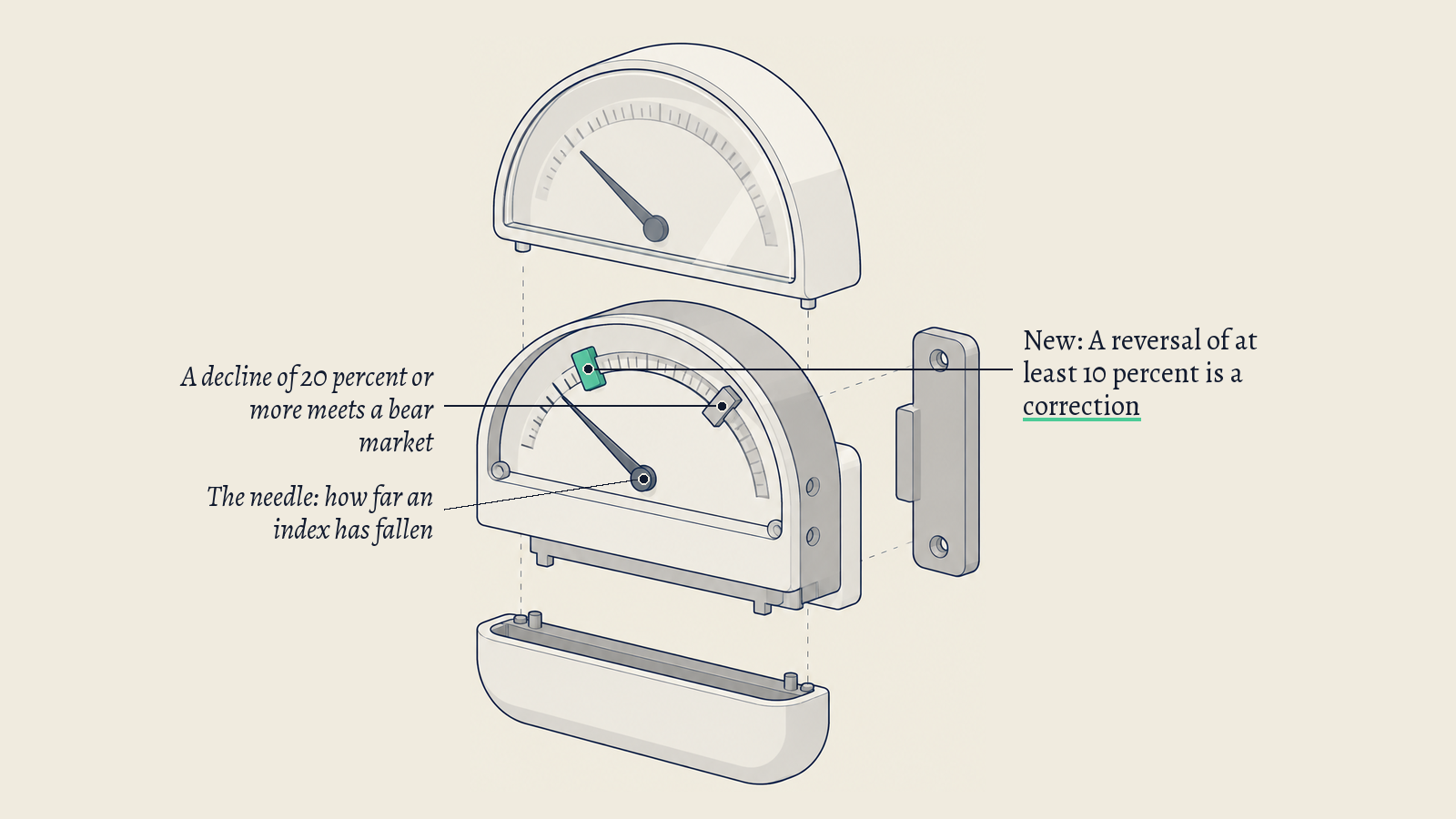
Illustration: A wall-mounted gauge with a curved scale and a needle; its green threshold marker stands for the point where a fall is called a correction.Illustration made with AI for ai notis

The Nasdaq Composite closed at 24,315.00 on 5 November, against 25,736.51 a day earlier; this page sets out FINRA's definition of a correction and the reasons given, none shown to be right.

SOURCEFederal Reserve Bank of St. Louis (FRED), data from NASDAQ OMX Group · 7 sources
CHECKED7 Nov, 09:14
Compute read
Illustration: A wall-mounted gauge with a curved scale and a needle; its green threshold marker stands for the point where a fall is called a correction. Compute / 7 NOV

What a market correction is, and the reasons offered for the AI fall

  • FINRA says a correction is a reversal of at least 10 percent; a decline of 20 percent or more in a broad index generally meets a bear market's threshold.
  • The Nasdaq Composite closed at 24,315.00 on 5 November, against 25,736.51 the day before, and at 24,579.42 the next day.
  • The BBC's Michelle Fleury links the selling to election uncertainty over US data centres and to investors' cost questions; none of the sources opened shows which reason is right.

The Nasdaq Composite closed at 24,315.00 on 5 November, against 25,736.51 the day before. On 6 November it closed at 24,579.42. This page explains what a market correction is, what the numbers say, and who offers which reason.

FINRA defines a correction as a reversal of at least 10 percent in an asset or index before the earlier trend resumes. It describes a bear market as a decline of 20 percent or more in a broad market index. A CBS News anchor said on 5 November that the Nasdaq had dropped more than 5%, or more than 1,400 points, and entered correction territory.

The other indexes fell too. The Dow Jones Industrial Average closed at 51,523.06 on 5 November, against 53,356.12. The S&P 500 closed at 7,353.73, against 7,688.62. FINRA says a 7 percent fall in the S&P 500 from the previous day's close before 3:25 p.m. is a Level 1 halt that shuts trading across all stock and futures exchanges for 15 minutes.

Seoul was different. The BBC's correspondent there said a circuit breaker was triggered on the Korean market on 6 November after it fell by more than eight points. He said the chip makers Samsung Electronics and SK Hynix lost about 10% when trading opened, and that both supply the memory chips that go into AI data centres.

The first explanation is politics. BBC New York business correspondent Michelle Fleury says there was uncertainty after the US midterm elections about what the result could mean for the AI industry's ability to build data centres. The BBC's Seoul correspondent says investors there were wondering whether a Democratic majority would bring harsher rules that stop the US buildout. BBC Verify's Ben Chu says polling shows around half of US voters called data centres a crucial or major issue in the midterms. These are reporters describing investors' worries. None of them shows that the worry caused the sell-off.

The second is the cost and returns of the buildout. Fleury said that President Trump's statement of support for AI does not necessarily answer questions investors are asking about the cost and the challenges of building the infrastructure. That is her reading of what investors ask.

Two market commentators gave views on what the fall is. Jessica Inskip of stockbrokers.com says a new type of uncertainty came into the market, and that she does not expect an AI bubble burst. Bob Parker of the International Capital Market Association says it looks like a correction, not the start of a major downtrend. These are opinions about what the fall is, not proof of why it happened.

One company event fell in the same days. Qualcomm reported on 4 November that fourth-quarter revenue was $10,322 million, against $11,270 million a year earlier, and guided to $10.4 billion to $11.2 billion for the next quarter. We have no primary that shows how much of the sector's fall, if any, that explains.

What it means for you: Zoe Kleinman, the BBC's technology and AI editor, says the AI tools in use today would keep working, and that fewer data centres would slow how fast the technology improves. She says the newer, smaller rivals of the big AI firms might be hit hardest. In the sources we opened, nothing says that vendors' prices or contracts have changed.

What it means for you Our view

In the sources opened, nothing shows that AI vendors' prices or contracts have changed. Zoe Kleinman, the BBC's technology and AI editor, says the AI tools in use today would keep working, and that fewer data centres would slow how fast the technology improves, with newer, smaller rivals of the big firms possibly hit hardest. That is her view, not a finding. If your work depends on a smaller AI supplier, note its contract renewal date and check whether it has said anything about its capacity.

TAGSAI bubbleDatacentresFINRANasdaq
NOTHING IN THIS FILTER No story today matches. open the archive →
That's today's news: three stories. No quick hits were checked in time for this edition.

The morning email

On the mornings we publish: the three top stories and up to four short ones. Free.

We email you a link to confirm. An issue may include one sponsor, always labelled Sponsored · Advertisement. Our emails count opens and clicks, not who made them. Unsubscribe in one click. What we keep

1 of 3
How data centre anger led to a tech stock plunge | BBC News: a video from BBC News on YouTubeWatch on YouTubeVideo: BBC News on YouTube

Compute · 7 NOV

Tech fall points to a correction, not a major downtrend, ICMA's Parker argues

In a BBC News video of 6 November, Michelle Fleury describes investors' post-election worry about AI data-centre building in the US; the video does not show that caused the fall.

  • Bob Parker, introduced as a senior adviser at the International Capital Market Association, said it "suggests that this is a correction not the start of a major downtrend" (03:46).
  • Parker said of a repeat of the falls of 2008 and 2000: "I think there is a very high probability that is not going to happen again" (03:31).
  • BBC Verify's Ben Chu, citing a poll the video does not name, said around half of US voters called data centres "a crucial or major issue" in the midterms (05:38).
Checked 7 Nov, 09:13 · BBC News (YouTube) · 3 sources
Stocks plunge amid AI concerns after midterm election: a video from CBS News on YouTubeWatch on YouTubeVideo: CBS News on YouTube

Compute · 7 NOV

Sell-off does not signal an AI bubble burst, stockbrokers.com's Inskip says

CBS News, 5 November: after an anchor said the Nasdaq fell more than 5%, Inskip put the day down to a new kind of uncertainty; the video does not show that was the cause.

  • Jessica Inskip, introduced as director of investor research at stockbrokers.com, said: "I absolutely do not think this will signal an AI bubble burst" (04:07).
  • Inskip said "what changed today is there is a new type of uncertainty that was introduced into the market" (01:38).
  • Inskip, comparing with the dot-com era, said: "We haven't even seen the IPO market heat up to the levels that we saw during the dot-com era" (04:58).
Checked 7 Nov, 09:14 · CBS News (YouTube) · 3 sources
Illustration: A wall-mounted gauge with a curved scale and a needle; its green threshold marker stands for the point where a fall is called a correction.Illustration made with AI for ai notis

Compute · 7 NOV

What a market correction is, and the reasons offered for the AI fall

The Nasdaq Composite closed at 24,315.00 on 5 November, against 25,736.51 a day earlier; this page sets out FINRA's definition of a correction and the reasons given, none shown to be right.

  • FINRA says a correction is a reversal of at least 10 percent; a decline of 20 percent or more in a broad index generally meets a bear market's threshold.
  • The Nasdaq Composite closed at 24,315.00 on 5 November, against 25,736.51 the day before, and at 24,579.42 the next day.
  • The BBC's Michelle Fleury links the selling to election uncertainty over US data centres and to investors' cost questions; none of the sources opened shows which reason is right.
Checked 7 Nov, 09:14 · Federal Reserve Bank of St. Louis (FRED), data from NASDAQ OMX Group · 7 sources

You're all caught up

That's today's news: three stories.

You can join ai notis soon, to follow cases and keep stories on every device.

Follow us on Instagram and Threads

The morning email

On the mornings we publish: the three top stories and up to four short ones. Free.

We email you a link to confirm. An issue may include one sponsor, always labelled Sponsored · Advertisement. Our emails count opens and clicks, not who made them. Unsubscribe in one click. What we keep

No story today matches. Open the archive
Today's stories 3 STORIES

Today's stories

Sat 7 Nov · 3 STORIES
  1. Compute · 7 NOV

    Tech fall points to a correction, not a major downtrend, ICMA's Parker argues

    How data centre anger led to a tech stock plunge | BBC News: a video from BBC News on YouTubeVideo: BBC News on YouTube

    In a BBC News video of 6 November, Michelle Fleury describes investors' post-election worry about AI data-centre building in the US; the video does not show that caused the fall.

    Checked 7 Nov, 09:13 · BBC News (YouTube) · 3 sourcesRead

  2. Compute · 7 NOV

    Sell-off does not signal an AI bubble burst, stockbrokers.com's Inskip says

    Stocks plunge amid AI concerns after midterm election: a video from CBS News on YouTubeVideo: CBS News on YouTube

    CBS News, 5 November: after an anchor said the Nasdaq fell more than 5%, Inskip put the day down to a new kind of uncertainty; the video does not show that was the cause.

    Checked 7 Nov, 09:14 · CBS News (YouTube) · 3 sourcesRead

  3. Compute · 7 NOV

    What a market correction is, and the reasons offered for the AI fall

    Illustration: A wall-mounted gauge with a curved scale and a needle; its green threshold marker stands for the point where a fall is called a correction.Illustration made with AI for ai notis

    The Nasdaq Composite closed at 24,315.00 on 5 November, against 25,736.51 a day earlier; this page sets out FINRA's definition of a correction and the reasons given, none shown to be right.

    Checked 7 Nov, 09:14 · Federal Reserve Bank of St. Louis (FRED), data from NASDAQ OMX Group · 7 sourcesRead

Compute 7 NOV

Tech fall points to a correction, not a major downtrend, ICMA's Parker argues

In a BBC News video of 6 November, Michelle Fleury describes investors' post-election worry about AI data-centre building in the US; the video does not show that caused the fall.

BBC News (YouTube) · 3 sources·checked 7 Nov, 09:13
AI bubbleBBC NewsDatacentresNasdaq
How data centre anger led to a tech stock plunge | BBC News: a video from BBC News on YouTubeVideo: BBC News on YouTube
Compute

Sell-off does not signal an AI bubble burst, stockbrokers.com's Inskip says

CBS News, 5 November: after an anchor said the Nasdaq fell more than 5%, Inskip put the day down to a new kind of uncertainty; the video does not show that was the cause.

7 NOV · CBS News (YouTube) · 3 sources
Compute

What a market correction is, and the reasons offered for the AI fall

The Nasdaq Composite closed at 24,315.00 on 5 November, against 25,736.51 a day earlier; this page sets out FINRA's definition of a correction and the reasons given, none shown to be right.

7 NOV · Federal Reserve Bank of St. Louis (FRED), data from NASDAQ OMX Group · 7 sources

No quick hits were checked in time for this edition.

0 of 3 read
Drag a card to start Drag left or right · tap to read more Hover to lift a card · tap to bring it forward Tap again to put it back Tap a card to open it Tap again to close it Tap a headline to read it as a card