
DayWeek
The week

Week 45

23 stories in three editions, 2 to 5 November. Three days to go.

Mo 27 Tu 38 We 4 Th 58 Fr 6 Sa 7 Su 8

Most read this week

read on screen, counted from 15 Oct

Thursday 5 November

Anthropic says in an amended registration statement filed on 2 November that its internal estimates and expectations for future models indicate it may imminently meet its Responsible Scaling Policy's definition of dramatically accelerated progress attributable to AI, while it has not designated any current model as exceeding that threshold. Two more stories follow.

Open the edition →

Tuesday 3 November

Good morning. Anthropic's amended S-1 reports revenue of $16,956 million for the three months to 30 September 2026, and an operating loss of $567 million that the filing puts mainly on compute bought under short-term commitments. Here is what it says, and two other stories worth your time.

Open the edition →

Monday 2 November

Good morning. OpenAI says ChatGPT will be able to end chats that show signs of someone fixating on violence, with the safeguards due to begin rolling out in the next few weeks. Here is what the post says, and two more stories worth your time.

Open the edition →
2026-11-05 notis CATEGORY Join
Show Read as Find Sections Models and releasesAgents and appsResearchMoney and computeLaws and rulingsSafety and securityAI at work More ArchiveModelsAboutCorrectionsThe numbersRSS
My notis
THIS WEEK'S NEWS
November 2026 9 STORIES
MTWTFSS
1 2 3 4 5 6 7 8 9 10 11 12 13 14 15 16 17 18 19 20 21 22 23 24 25 26 27 28 29 30

Days with a dot have news. See the archive.

Show one day ›
17:30
0/9
WEATHER THEME CARD SPACING

Today's news

today

My page

Kept in this browser only.

SAVED FOLLOWING COLLECTIONS READING SINCE
Nothing saved yet. Tap the bookmark on a card to keep it here. read today
all cases

No case followed yet.

Price changes Stories where a published price went up or down.
Models being retired Models being withdrawn, and gaps before a replacement is ready.
The day's top stories. Sign up
Safety 5 NOV

Anthropic estimates its future models may imminently meet its RSP AI-acceleration threshold
AnthropicIPOResponsible Scaling Policy
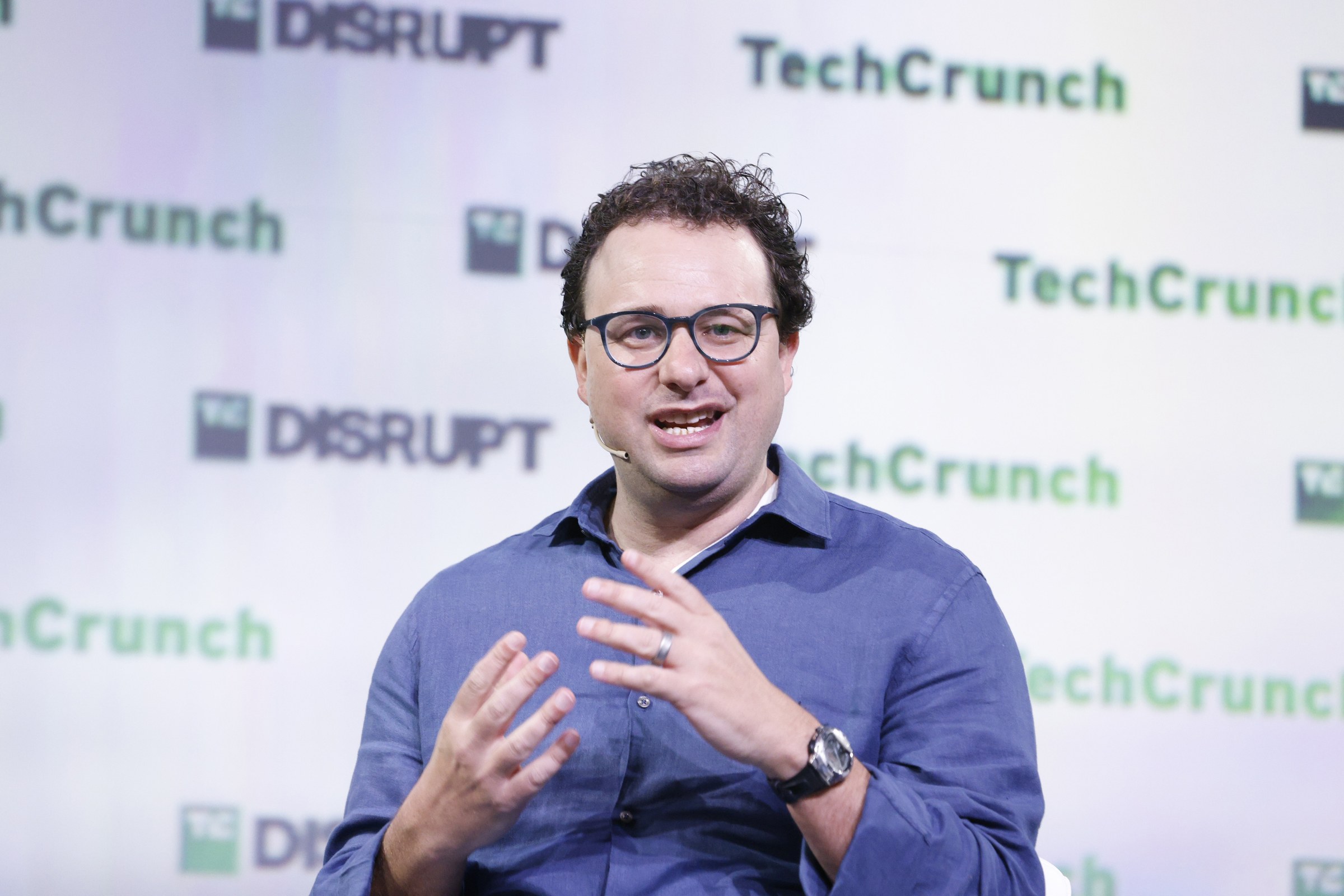
Dario Amodei, Anthropic's co-founder and chief executive, speaking on stage at TechCrunch Disrupt in 2023.Kimberly White/Getty Images for TechCrunch / Dario Amodei at TechCrunch Disrupt 2023 / CC BY 2.0, cropped

Amendment No. 1 to its S-1, filed 2 November, rests the statement on estimates for future models; Anthropic says it has designated no current model as exceeding the threshold.

SOURCEU.S. SEC / Anthropic, PBC · 4 sources
CHECKED5 Nov, 05:21
Safety read
Dario Amodei, Anthropic's co-founder and chief executive, speaking on stage at TechCrunch Disrupt in 2023. Safety / 5 NOV

Anthropic estimates its future models may imminently meet its RSP AI-acceleration threshold

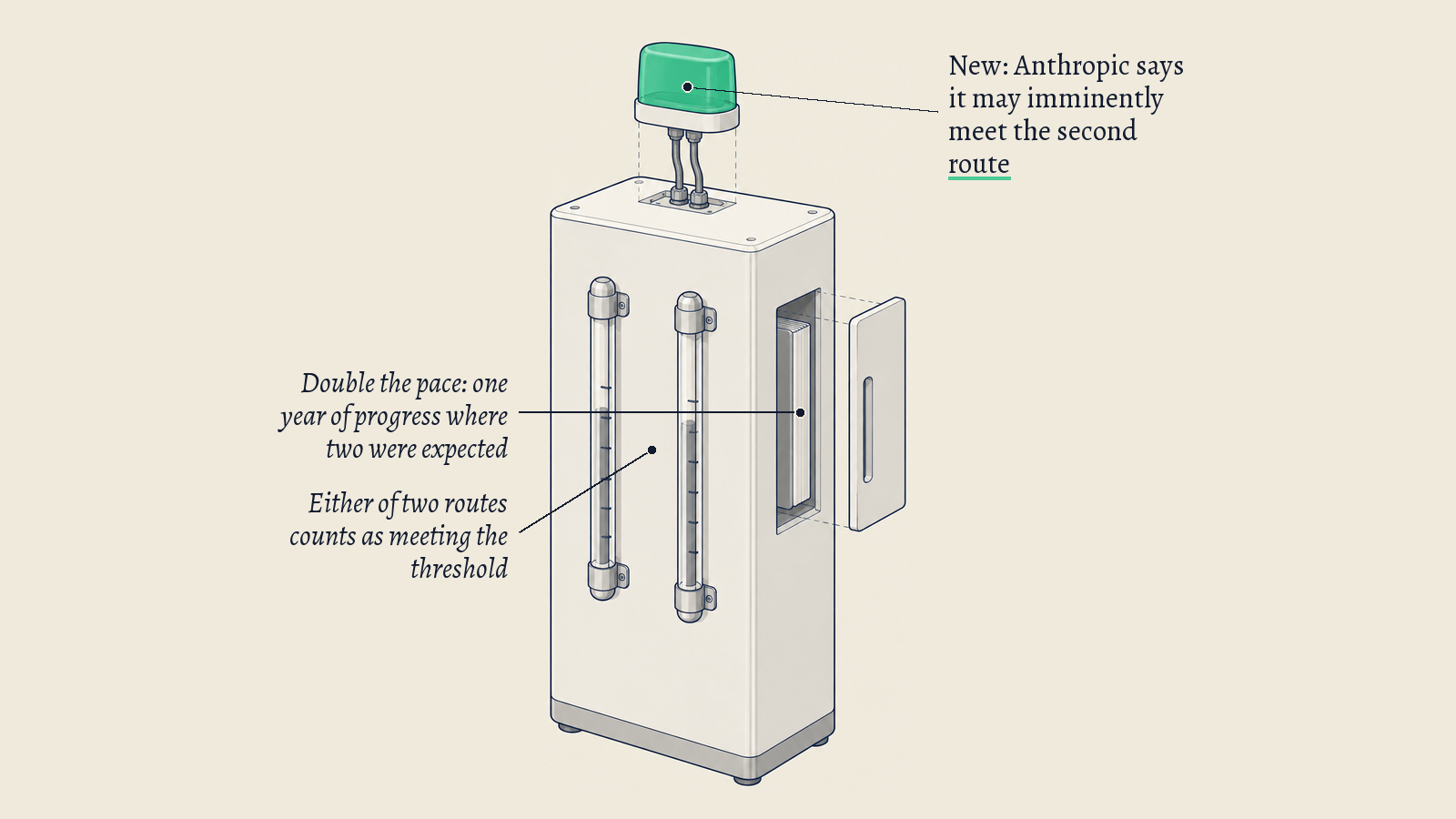
  • Anthropic's S-1 amendment, filed 2 November 2026, says its estimates for future models indicate it may imminently meet its RSP definition of "dramatically accelerated progress attributable to AI."
  • The S-1 Anthropic filed on 26 October contains neither "imminently" nor "dramatically accelerated progress", so the wording is new in the amendment.
  • Anthropic says it has not designated any current model as exceeding the threshold, continues to assess the data, and will release further reports as its RSP sets out.

Anthropic says in an amended registration statement that it "may imminently meet" the definition of "dramatically accelerated progress attributable to AI" in its Responsible Scaling Policy. The wording is new in Amendment No. 1 to its Form S-1, filed with the US Securities and Exchange Commission on 2 November 2026; it does not appear in the S-1 filed on 26 October.

The filing ties the statement to internal estimates and to expectations about future models rather than current ones. It says Anthropic has not designated any of its current models as exceeding the threshold and that it continues to assess the underlying data.

Anthropic also says it is evaluating what meeting the AI research and development capability threshold would mean, and that it will release further reports as its Responsible Scaling Policy sets out.

The policy's version 3.4, effective 8 July 2026, says the automated R&D threshold is met if Anthropic determines that its models could fully substitute for its entire set of research scientists and research engineers at competitive costs, or that there is "dramatic acceleration" of the pace of AI progress for reasons that likely relate to automating AI research.

The same amendment fills in financial figures the first filing left blank, including aggregate committed spend of about $895.4 billion, substantially all for compute and infrastructure.

What it means for you Our view

This is a statement about expectations for future models, not a finding about any model Anthropic sells today: the filing says no current model is designated past the threshold. What it adds is that a company preparing to sell shares tells investors the trigger in its own scaling policy may be close, in wording the first filing did not contain. The filing also says Anthropic is still assessing the underlying data, so the position may change. If you depend on Anthropic's models or on its published safety commitments, watch for the further reports the filing says Anthropic will release in the future under its Responsible Scaling Policy.

TAGSAnthropicIPOResponsible Scaling Policy
Models 5 NOV

Moonshot opens Kimi K3.1 Pro weights; model-service firms over $20M must sign first

Hugging FaceKimiKimi licenceMoonshot AIOpen weights
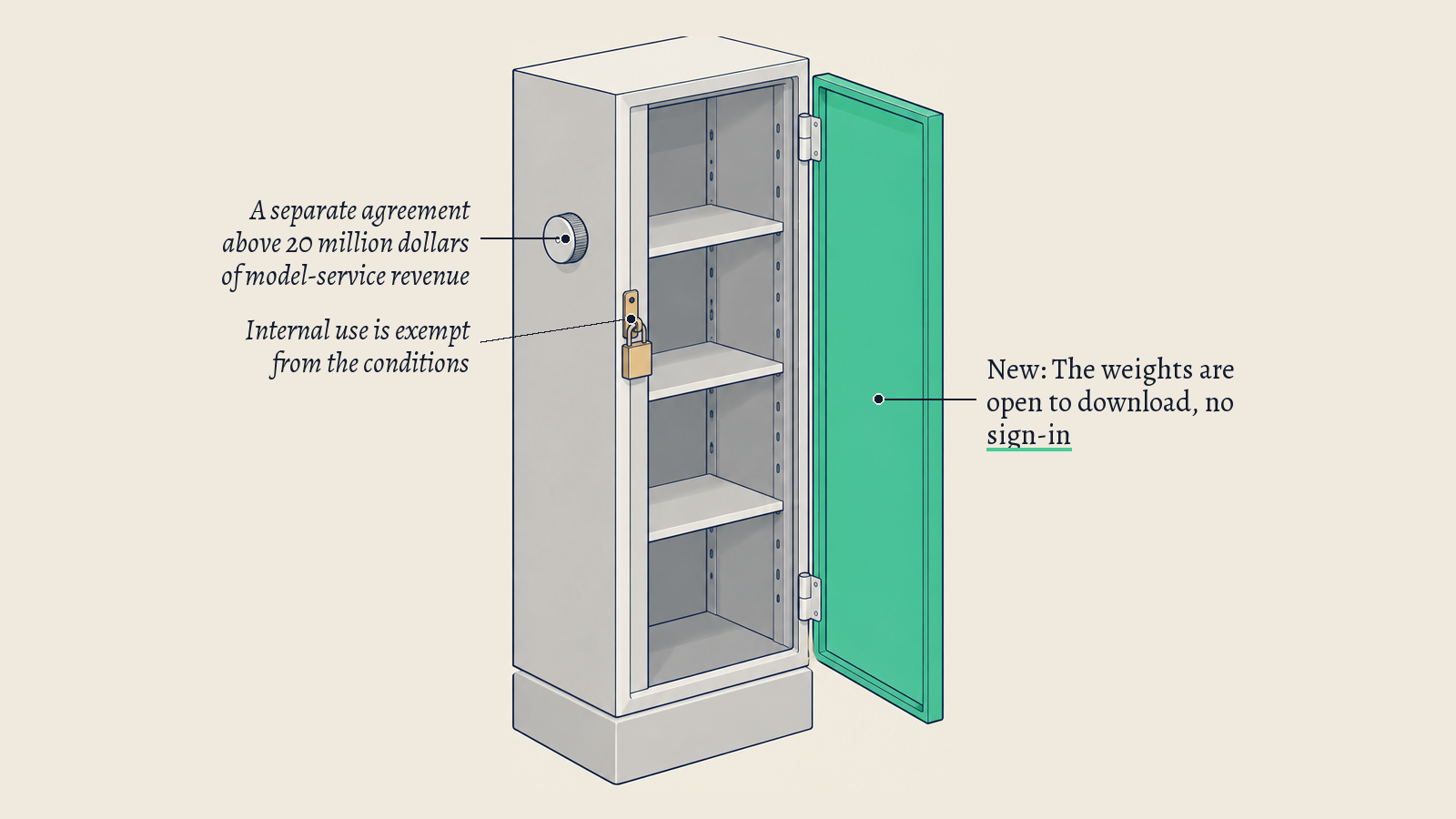
Illustration: A tall steel cabinet with its door open, a dial counter on its side and a padlock plate by the frame. The green door stands for released weights.Illustration made with AI for ai notis

The weights are ungated on Hugging Face; a company running a model-as-a-service business, if it and its affiliates take in more than $20 million over any 12 months, needs a Moonshot agreement.

SOURCEMoonshot AI (Hugging Face) · 3 sources
CHECKED5 Nov, 05:21
Models read
Illustration: A tall steel cabinet with its door open, a dial counter on its side and a padlock plate by the frame. The green door stands for released weights. Models / 5 NOV

Moonshot opens Kimi K3.1 Pro weights; model-service firms over $20M must sign first

  • Moonshot has put Kimi K3.1 Pro on Hugging Face, ungated, in 96 weight files: 2.8T total parameters, 104B active, and a context length of 1048576 tokens.
  • A company running a model-as-a-service business whose aggregate revenue, with its affiliates, exceeds 20 million US dollars over any 12 months must sign a separate Moonshot AI agreement first.
  • Products with over 100 million monthly active users, or 20 million US dollars in monthly revenue, must display "Kimi K3.1-Pro"; internal use and Moonshot's own products or partners are exempt.

Moonshot AI has put the weights of Kimi K3.1 Pro on Hugging Face, a mixture-of-experts model with 2.8 trillion parameters in total, 104 billion active per token, and a context length of 1,048,576 tokens. The repository, which Hugging Face's API lists as created on 2 November 2026, is not gated and holds 96 weight files.

Moonshot's model card calls it an open-weight, natively multimodal agentic model that takes text and images, and says it was post-trained from Kimi K3. Moonshot's tech blog had said the full weights would be released by 4 November.

The licence is Moonshot's own, not a standard open-source one. It lets anyone use, copy, modify and sell the software, but if a licensee or its affiliates run a model-as-a-service business and their aggregate revenue exceeds 20 million US dollars over any consecutive 12 months, the licensee must sign a separate agreement with Moonshot before using the software for any commercial purpose.

Products with more than 100 million monthly active users, or more than 20 million dollars in monthly revenue, must display "Kimi K3.1-Pro" on the interface. Internal use, and use through Moonshot's own products or certified inference partners, are exempt from both conditions.

Moonshot also lists the weights as MXFP4 weights with MXFP8 activations, trained with quantization-aware training.

What it means for you Our view

The licence grants broad rights to use, copy, modify and sell the weights, and its conditions are aimed at businesses that offer model access to others. If you run Kimi K3.1 Pro only for your own staff, the internal-use exemption covers use that does not make the software, its outputs or its capabilities available to third parties, so a customer-facing feature needs a closer look. Use through Moonshot's official products or certified inference partners is exempt too. Before you build on the weights, have your legal team read sections 2 to 4 of the licence against the product you plan to ship.

TAGSHugging FaceKimiKimi licenceMoonshot AIOpen weights
Compute 5 NOV

AMD values its pending Taalas inference-chip purchase at about $2.9 billion

AMDAcquisitionsInference chipsTaalas
Lisa Su, AMD's chief executive, photographed at South by Southwest in Austin, Texas, in March 2024.Fuzheado / SXSW-2024-alih-OB7A0861-Lisa Su / CC BY 4.0, cropped

Taalas develops specialised AI inference silicon; up to about $1.4 billion of the price is contingent, and AMD's 10-Q expects the deal to close by the end of 2026.

SOURCEU.S. SEC / AMD · 2 sources
CHECKED5 Nov, 05:21
Compute read
Lisa Su, AMD's chief executive, photographed at South by Southwest in Austin, Texas, in March 2024. Compute / 5 NOV

AMD values its pending Taalas inference-chip purchase at about $2.9 billion

  • AMD's 10-Q, for the quarter ended 26 September 2026, values the cash-and-stock acquisition of Taalas at about $2.9 billion, including contingent consideration of up to about $1.4 billion.
  • AMD announced a definitive agreement on 6 August 2026 in a press release that stated no price; the release calls Taalas a pioneer in specialized AI inference silicon.
  • The 10-Q says the acquisitions are expected to close by the end of 2026, subject to regulatory approvals and customary closing conditions.

AMD's quarterly filing puts a price on its planned purchase of the inference-chip maker Taalas: about $2.9 billion in cash and stock, including contingent consideration of up to about $1.4 billion. The figure is in Note 5 of AMD's Form 10-Q for the quarter ended 26 September 2026, filed on 4 November.

The deal is not closed. The 10-Q describes it as a pending acquisition that is expected to close by the end of 2026, subject to regulatory approvals and customary closing conditions.

AMD first announced a definitive agreement on 6 August 2026 without stating a price. The press release describes Taalas as a Toronto-based developer of specialised AI inference silicon, founded in 2023, and says AMD plans to integrate the technology into its accelerator roadmap alongside AMD Instinct GPUs.

The 10-Q also reports Data Center net revenue of $8.5 billion for the three months ended 26 September 2026, up 97% from $4.3 billion a year earlier. It attributes the rise primarily to demand for AMD EPYC processors and AMD Instinct GPUs.

AMD's future purchase commitments as of 26 September 2026 total $48,761 million, of which $11,218 million falls in the remainder of 2026 and $22,206 million in 2027.

What it means for you Our view

The price is a filing disclosure about a pending deal, so nothing changes yet in what AMD sells. AMD says it plans to integrate Taalas's technology into its accelerator roadmap and to develop system-level solutions with AMD Instinct GPUs, which is a plan and not a product. If you are weighing inference hardware, treat anything Taalas-based from AMD as something to watch rather than to buy, and note the year-end closing expectation as the date to check for news on regulatory approval.

TAGSAMDAcquisitionsInference chipsTaalas
Compute 3 NOV

Anthropic's amended S-1 reports a $567 million operating loss, blaming short-term compute

AnthropicClaudeIPOS-1compute commitments
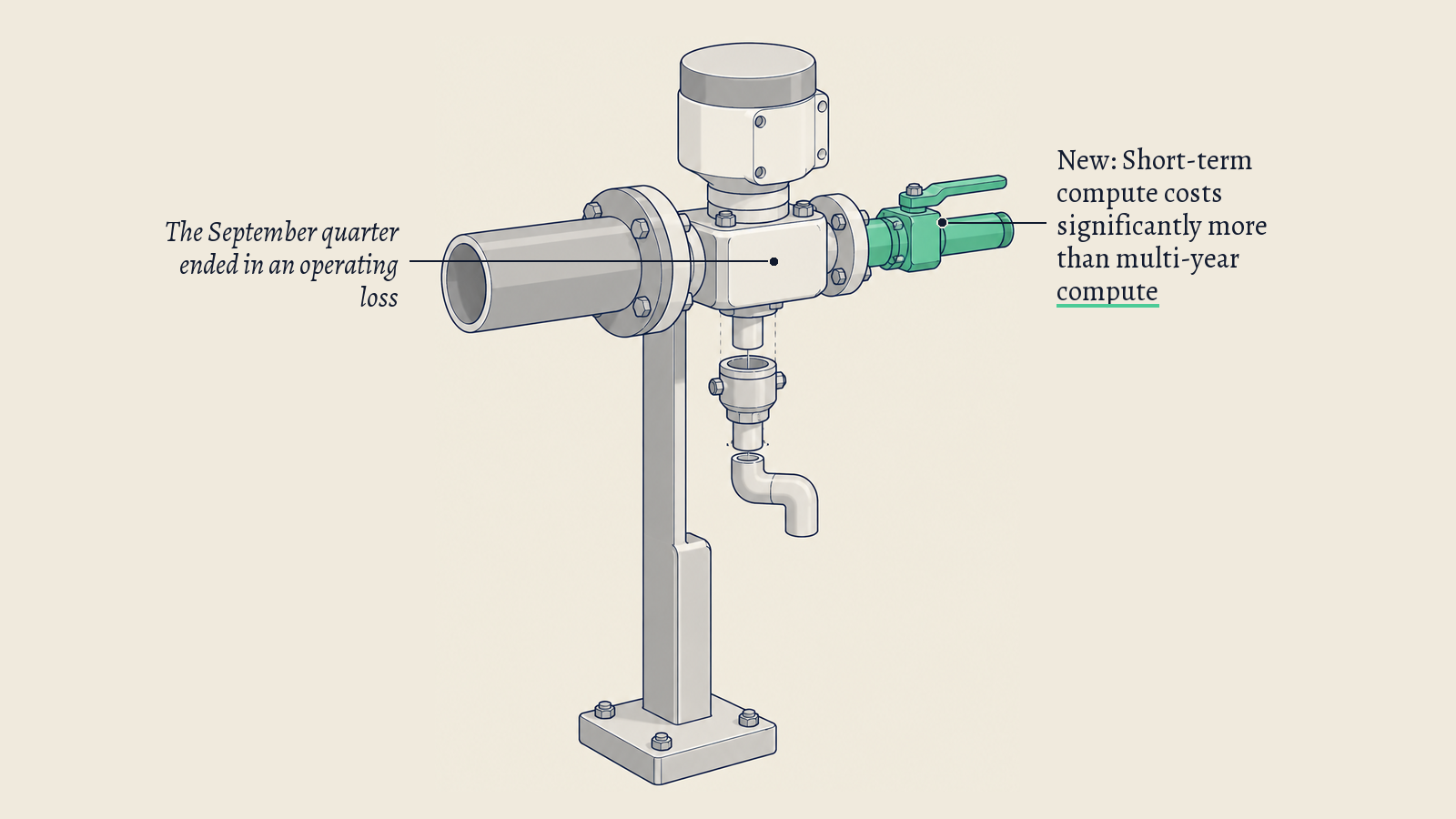
Illustration: A flow-metering station with a main supply pipe and a narrow side line; the green side line and valve stand for compute bought on short-term commitments.Illustration made with AI for ai notis

Revenue was $16,956 million against $11,555 million a quarter earlier, more than 46% higher; the filing also says over 90% of September code contributions were written by Claude.

SOURCEU.S. SEC / Anthropic, PBC · 1 source
CHECKED3 Nov, 05:26
Compute read
Illustration: A flow-metering station with a main supply pipe and a narrow side line; the green side line and valve stand for compute bought on short-term commitments. Compute / 3 NOV

Anthropic's amended S-1 reports a $567 million operating loss, blaming short-term compute

  • Anthropic's operating loss was $567 million in the September quarter, against operating income of $974 million in the June quarter.
  • The filing attributes the loss primarily to $5.0 billion of compute under short-term commitments, which costs significantly more than multi-year compute, and $2.0 billion of non-cash donation matching charges.
  • Aggregate committed spend is about $895.4 billion, substantially all for compute and infrastructure, with about $69.8 billion due in the 12 months after 30 September 2026.

Anthropic's revenue for the three months to 30 September 2026 was $16,956 million, more than 46% above the $11,555 million of the quarter before; the quarter before that had grown by more than 140%, from $4,731 million.

The figures come from Amendment No. 1 to the Form S-1 that Anthropic, PBC filed with the SEC on 2 November 2026 (registration no. 333-299633), which reports the three and nine months to 30 September 2026.

The filing says price reductions introduced with new model versions, and contractual discounts, took about $600 million off revenue between the June and September quarters. It puts the same effect at about $70 million between the September and December 2025 quarters.

Anthropic recorded an operating loss of $567 million for the September quarter, against operating income of $974 million for the June quarter. It attributes this mainly to $5.0 billion of compute bought under short-term commitments, which it says costs significantly more than comparable multi-year compute, and $2.0 billion of non-cash charges from its donation matching program. Its net loss for the quarter was $23,291 million, which includes a $21,936 million expense from changes in the fair value of convertible notes, derivative liabilities and SAFEs.

For the nine months, revenue was $33,242 million, against $2,545 million for the same months of 2025, more than 13 times as much. The nine-month operating loss was $1,260 million.

The filing says that as of and after 30 September 2026 Anthropic had purchase commitments and leases, including short-term commitments and leases not yet started, with an aggregate committed spend of about $895.4 billion, substantially all for compute and infrastructure. About $447.5 billion of it is expected before 31 December 2030 and about $69.8 billion falls due in the 12 months after 30 September 2026.

The filing also says that over 90% of contributions to Anthropic's codebase in September 2026 were written by Claude.

What it means for you Our view

For buyers of Claude this is a disclosure about the company's finances. The filing says price reductions introduced with new model versions, and contractual discounts, took about $600 million off revenue between the June and September quarters, so lower prices are part of how Anthropic's revenue moved. It also says short-term compute costs significantly more than compute under multi-year commitments, and names that as a main driver of the loss. If you depend on Claude capacity, watch whether later filings repeat that short-term compute figure.

TAGSAnthropicClaudeIPOS-1compute commitments
Work 3 NOV

OpenAI reports building Pando, its Git backend, with Codex in 10 weeks

CodexGPTGitOpenAIPando
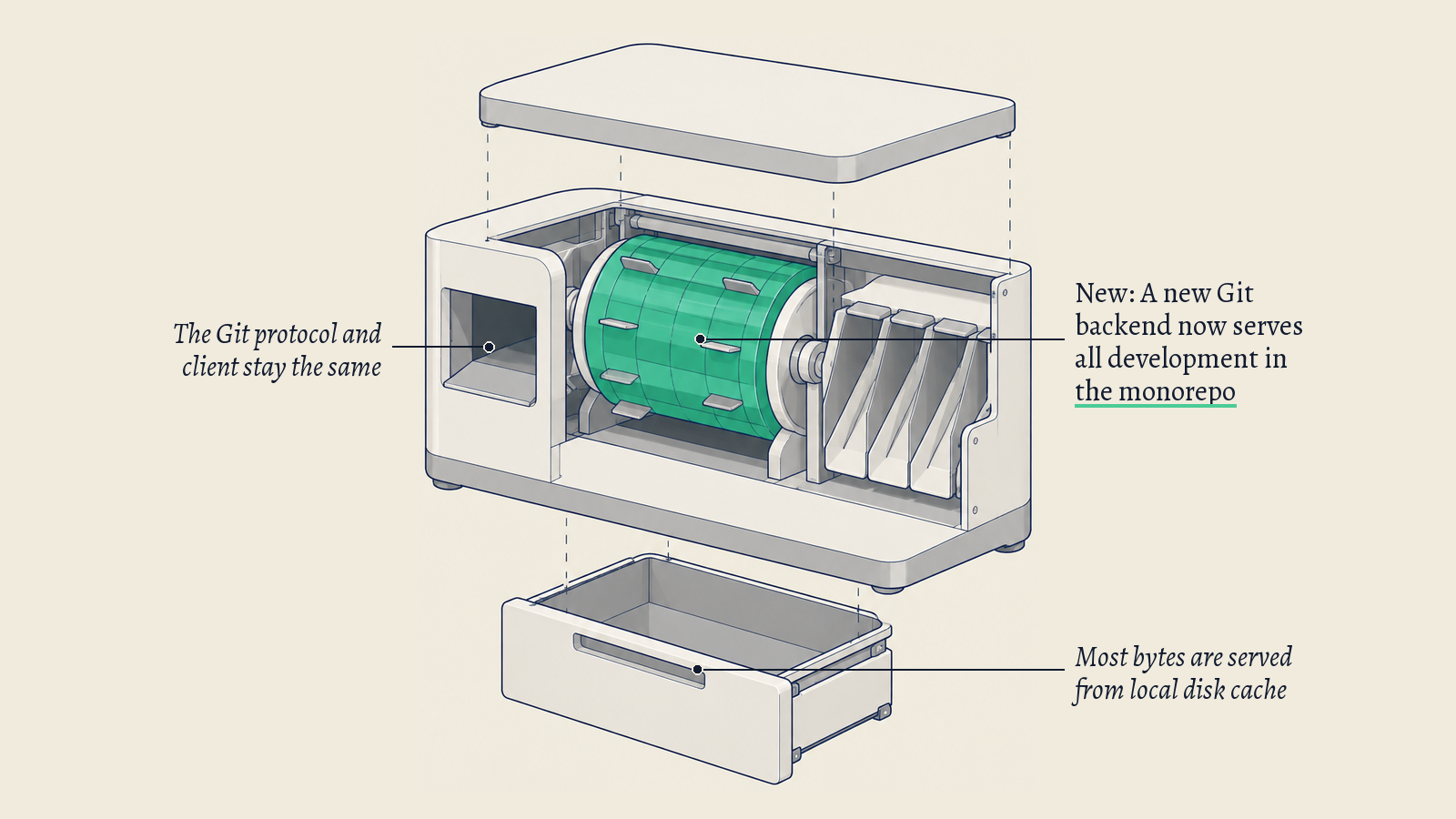
Illustration: A parcel-sorting cabinet with an intake slot, a central drum and output chutes; the green drum stands for the new backend that handles Git requests.Illustration made with AI for ai notis

OpenAI says Pando cut median push latency by nearly 5x, and that agents used GPT-6 Astra to write Lean and TLA+ formalisations that found bugs. All figures are OpenAI's own.

SOURCEOpenAI · 1 source
CHECKED3 Nov, 05:28
Work read
Illustration: A parcel-sorting cabinet with an intake slot, a central drum and output chutes; the green drum stands for the new backend that handles Git requests. Work / 3 NOV

OpenAI reports building Pando, its Git backend, with Codex in 10 weeks

  • OpenAI says Pando, its new Git backend, cut median push latency by nearly 5x in production and now delivers nearly a petabyte of Git data per day.
  • OpenAI says its monorepo systems struggled from late last year, with reliability at times below 90%, and that Codex let engineers do far more work in parallel.
  • OpenAI says one engineer designed the core, teams of agents implemented it and a handful of engineers deployed it, and that Pando began serving production traffic in April.

OpenAI replaced the backend serving its main code repository with a new system called Pando, and says it cut median push latency by nearly 5x and now delivers nearly a petabyte of Git data a day. The account is an engineering post of 2 November by OpenAI staff Aaron Friel, Taylor Blau and Ted Nyman, who are listed as Members of Technical Staff.

The authors say the old setup began to struggle around the end of last year as Codex let engineers run far more work in parallel, with slow fetches and pushes and failed merges, and reliability at times below 90%. Pando keeps the Git protocol and client, so engineers and agents did not change how they use Git, and it now powers all development in OpenAI's monorepo.

The post says Pando was built with Codex from kick-off to production in 10 weeks: one engineer designed the core, teams of agents implemented it and a handful of engineers deployed it, and it began serving production traffic in April. It names GPT-6 Astra as the model agents used to write Lean and TLA+ formalisations of the system to find and fix bugs.

Among the figures OpenAI gives for the deployment, Pando has served more than 57 terabytes of Git packs in a single hour, with more than 99% of those bytes from local disk cache, and cache hit rates on its pack delivery servers are over 99%. OpenAI says it is exploring ways to share the technology with its users.

What it means for you Our view

This is one company's account of its own repository, so the figures show what OpenAI reports, not a result others can reproduce. Pando keeps the Git protocol and client, which means engineers did not have to change how they use Git. OpenAI names GPT-6 Astra as the model agents used to write formal specifications of the system, and says that work was used to find and fix bugs. OpenAI says only that it is exploring ways to share the technology. If you run a large Git monorepo, record your own push latency and failure rates now, so you have a baseline if the technology becomes available.

TAGSCodexGPTGitOpenAIPando
OpenAI · 1 source tap to close
Safety 3 NOV

OpenAI pays up to $30,000 for critical bugs in core products like ChatGPT

CathedralCodexOpenAIbug bountysecurity
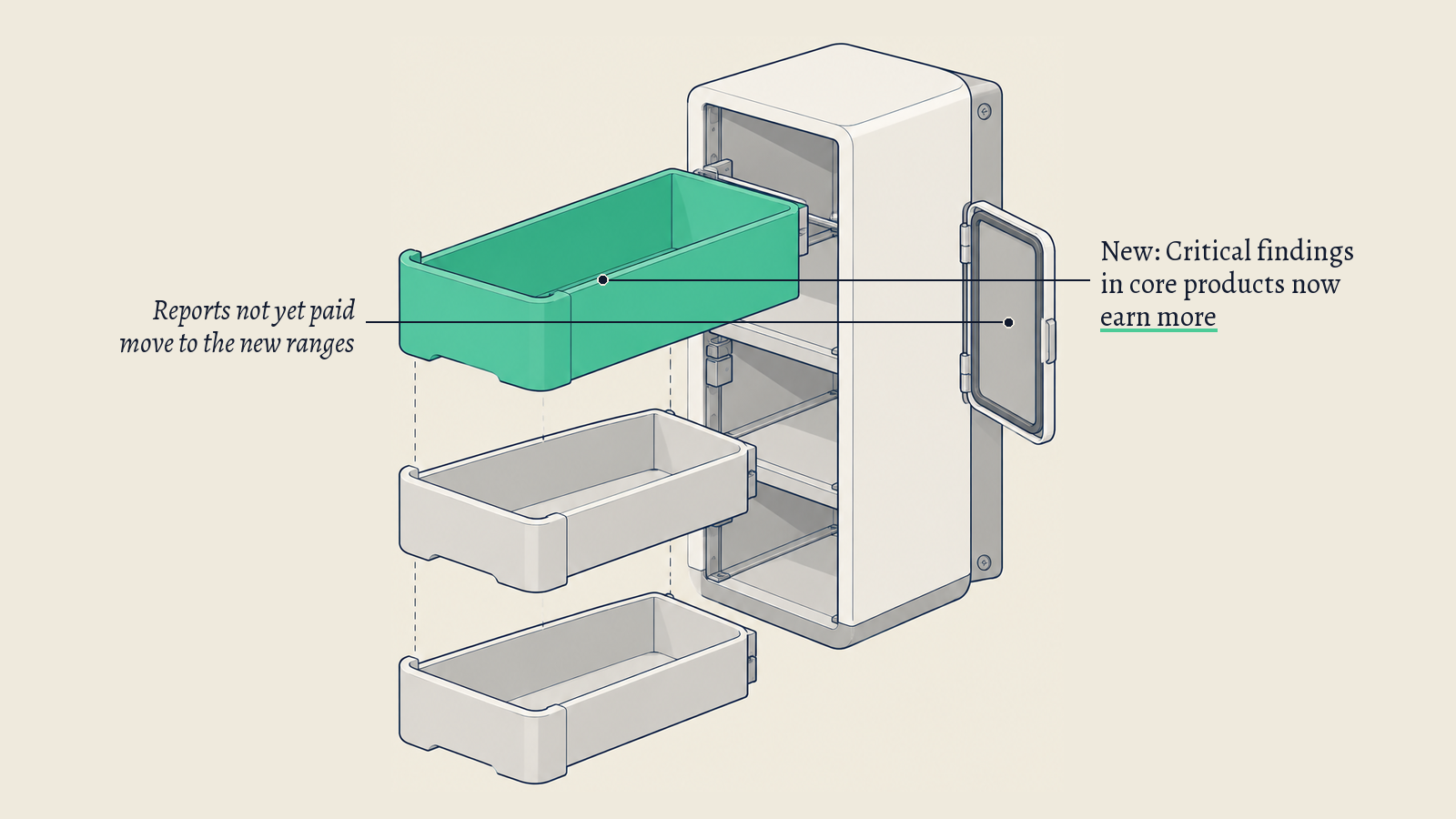
Illustration: A payout cabinet with three stacked trays; the green top tray stands for the higher reward for critical findings.Illustration made with AI for ai notis

OpenAI says Codex helped engineers in its last security sprint; for the next, with Cathedral, it names no model. Reports not yet paid move to the new reward ranges.

SOURCEOpenAI · 2 sources
CHECKED3 Nov, 05:27
Safety read
Illustration: A payout cabinet with three stacked trays; the green top tray stands for the higher reward for critical findings. Safety / 3 NOV

OpenAI pays up to $30,000 for critical bugs in core products like ChatGPT

  • OpenAI says it is more than quadrupling, on average, the midpoint of its medium, high and critical reward ranges; critical core-product findings earn up to $30,000.
  • Exceptional critical findings on those targets remain eligible for up to $100,000, and now up to $172,000 with bonuses; reports submitted but not yet awarded get the new ranges.
  • For bounties awarded in the 30 days before the announcement, OpenAI says it will pay the difference where the finding would have earned more under the new ranges.

OpenAI says it is more than quadrupling, on average, the midpoint of its reward ranges for medium, high and critical findings in its Security Bug Bounty program. A critical vulnerability in a core product such as ChatGPT, Codex or the API Platform will now earn up to $30,000, and exceptional critical findings on those targets stay eligible for up to $100,000, now up to $172,000 with bonuses, according to OpenAI's post of 2 November.

The program adds a quality bonus multiplier on the base bounty, a five-tier loyalty bonus and short-term priority campaign multipliers for newly launched features. Reports already submitted without an award get the new ranges, and bounties awarded in the 30 days before the announcement are topped up where the finding would have earned more. OpenAI's own illustrative example is a one-click account takeover in ChatGPT: a historical award of $6,500, against a new base of $30,000 and $51,577 after multipliers.

In a second post the same day, OpenAI says it is planning its next internal security sprint with the security firm Cathedral, whose researchers will use OpenAI's models alongside OpenAI's teams to test its defences. OpenAI does not name which models. It says that in its last sprint 25% of its product engineers worked on finding and fixing weaknesses, and that they used Codex to investigate findings, reproduce vulnerabilities in isolated environments and prepare patches for review.

OpenAI also says it has committed $1 billion in subsidized access over six months for frontline defenders protecting essential services and digital infrastructure. It says it is making its most capable models available to Daybreak customers. The security team will be at the PROMPT2PWN event in Oakland on 20 and 21 November.

What it means for you Our view

The change reaches back as well as forward: researchers with an open report, or an award from the last 30 days, can expect it to be re-read against the new ranges. OpenAI's own example pays $51,577 for a critical account takeover in ChatGPT, built from a $30,000 base and three multipliers, and OpenAI says all its scenarios are illustrative, so real payouts depend on how the bonuses apply. On the sprint, OpenAI names Codex for the last one and no model for the next. If you report vulnerabilities, OpenAI's security team will be at PROMPT2PWN in Oakland on 20 and 21 November, a chance to ask how the multipliers work.

TAGSCathedralCodexOpenAIbug bountysecurity
OpenAI · 2 sources tap to close
Safety 2 NOV

ChatGPT will be able to end chats that fixate on violence

Age verificationChatGPTChatGPT for TeensOpenAITeen safety
White title text, Community Safety Report and New Protections for Teens, centred on a soft yellow-to-green gradient.Image: OpenAI

OpenAI's post of 30 October says these safeguards and tighter teen weapons limits roll out in the next few weeks; it names ChatGPT and no model.

SOURCEOpenAI · 1 source
CHECKED2 Nov, 05:32
Safety read
White title text, Community Safety Report and New Protections for Teens, centred on a soft yellow-to-green gradient. Safety / 2 NOV

ChatGPT will be able to end chats that fixate on violence

  • OpenAI says ChatGPT will be able to end a chat that shows someone fixating on violence, and may temporarily pause an account after several ended chats.
  • ChatGPT for Teens will restrict practical information about weapons and security systems even without signs of violent intent; for all users, answers on past mass attacks lose weapons detail.
  • OpenAI says the safeguards begin rolling out in the next few weeks, and that it made over 200 law enforcement referrals in Q3 2026.

OpenAI says ChatGPT will be able to end a conversation automatically when it shows signs that someone is fixating on violence, and may temporarily pause an account that has several chats ended this way. OpenAI's post of 30 October, "Community safety report and new protections for teens", says the safeguards "will begin rolling out in the next few weeks", so they are announced rather than all live. The company says its work includes bringing imminent threats of violence to the attention of law enforcement, and that it made over 200 law enforcement referrals in Q3 2026. For every user, regardless of age or reason for asking, it is tightening how ChatGPT answers about past mass attacks: less detail on the weapons and equipment used and how they were obtained, and on comparisons of scale of harm. For teens, ChatGPT for Teens will restrict practical information about weapons and security systems even when a question appears harmless, and OpenAI says it is working on notifying parents when it pauses a linked teen's account for repeatedly discussing violence. A user wrongly placed in the under-18 experience can confirm they are an adult through Persona, OpenAI's age verification partner. OpenAI also commits to a first Community Safety Report in early 2027, covering the second half of 2026, with updates every six months. The post does not name the model behind ChatGPT's detection.

What it means for you Our view

These are announced safeguards, not live ones, and the post names no model behind the detection, so how often chats will end or accounts pause is not yet known. If your organisation lets staff or teenagers use ChatGPT, expect questions about weapons or past attacks to get less detail once the limits arrive, whatever the reason for asking. OpenAI also says it is working on notifying parents when a teen's account is paused, which is not live either. The first Community Safety Report is promised for early 2027, covering the second half of 2026. Put that date in your calendar and read it for evidence of how the new limits worked.

TAGSAge verificationChatGPTChatGPT for TeensOpenAITeen safety
OpenAI · 1 source tap to close
toned down Tooling 2 NOV

DeepSeek's open-source Harness agent framework warns it has had no security audit

DeepSeekDeepSeek HarnessHarnessMIT licencePlugins
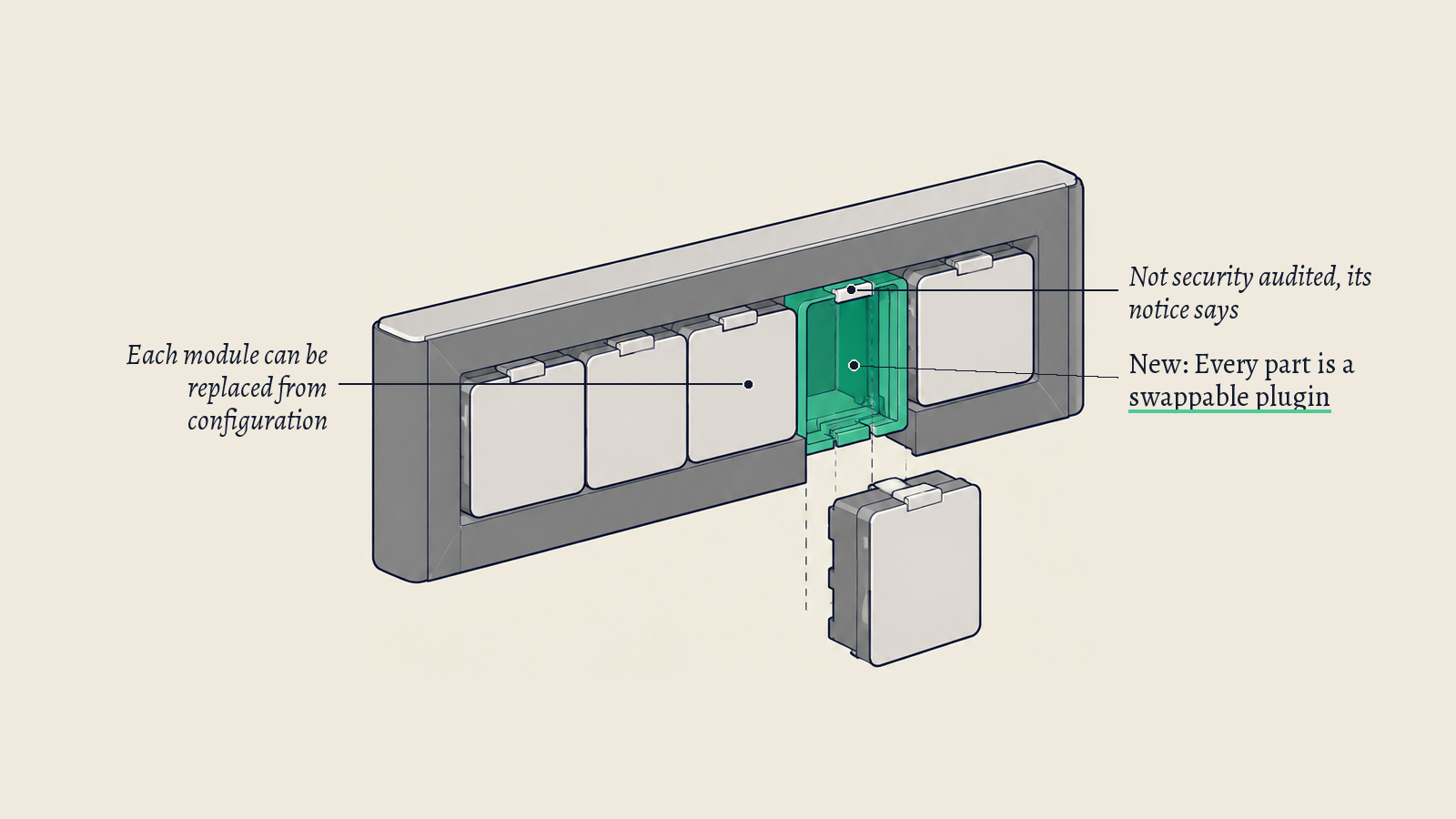
Illustration: A graphite control panel with a row of plug-in modules; one green module, half slid out of its slot, stands for a part that can be swapped.Illustration made with AI for ai notis

DeepSeek Harness, an MIT-licensed agent harness in public preview with desktop apps and a web UI, can run model-generated code and reach credentials and files, its safety notice says.

SOURCEDeepSeek AI (GitHub) · 4 sources
CHECKED2 Nov, 05:33
Tooling read
Illustration: A graphite control panel with a row of plug-in modules; one green module, half slid out of its slot, stands for a part that can be swapped. Tooling / 2 NOV

DeepSeek's open-source Harness agent framework warns it has had no security audit

  • DeepSeek Harness (dsh) is open source under the MIT licence; its product page calls it a public preview, with desktop apps for macOS and Windows and a web UI.
  • DeepSeek's safety notice says it has not had a security audit and can run model-generated code and commands, load third-party plugins, and reach the network, processes, credentials and files.
  • The README warns of compatibility-breaking changes; the architecture document says every part, including the model adapter and agent loop, is a plugin that configuration can replace.

DeepSeek has put an open-source agent harness called DeepSeek Harness, or dsh, in a public GitHub repository under the MIT licence, and its product page offers desktop apps for macOS (Apple silicon) and Windows (64-bit) as well as a web interface. The repository's README says the project is a developer preview and warns that there will be compatibility-breaking changes. The README describes an everything-is-a-plugin design built on Cordis, asks plugin authors to add the dsh-plugin topic to their repositories, and gives npx @deepseek-ai/dsh web as the command that starts the web interface. DeepSeek's architecture document says every part of the product is a plugin, including the model adapter, the tool registry, the session log and the agent loop, so each can be replaced through configuration. Its product page lists plugins that can be installed or created through chat in a Creator mode, scheduled tasks, and inspection of execution traces and tool calls. Among the official plugins, the page labels agent teams, auto approval review, scheduled tasks and voice input as experimental; the terminal, the agent loop and subagents carry no such label. DeepSeek's safety notice calls the software experimental developer-preview software that has not had a security audit, and says it can run model-generated code and commands. We could not find a release date on the product page, which shows only a sample timestamp in a trace example.

What it means for you Our view

Treat this as something to try in isolation. DeepSeek's own notice says the software can reach credentials and files and has not had a security audit, so a first trial belongs on a throwaway machine or account that holds nothing of value. The README also warns of compatibility-breaking changes, so anything built on its plugins may need rework later. The design lets you replace the model adapter and the agent loop, which makes it worth testing as a way to compare setups once the risk is contained. Agree in advance which plugins, if any, may be loaded, with the repository safety notice as the checklist.

TAGSDeepSeekDeepSeek HarnessHarnessMIT licencePlugins
Tooling 2 NOV

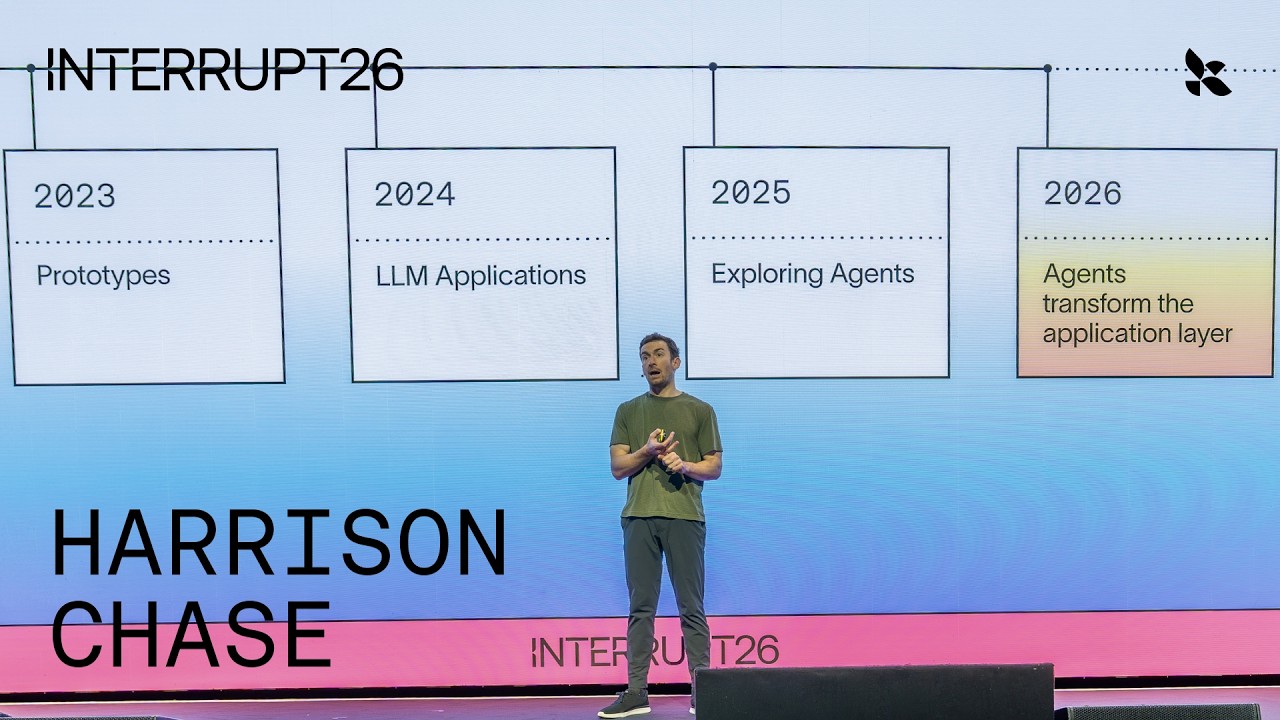
An agent is the harness around its model, LangChain's Harrison Chase says

HarnessLangChainLangSmithtraces
Video thumbnail for Harrison Chase's Interrupt London keynote on LangChain's YouTube channel, with the title Why Own Your Intelligence?Video: LangChain on YouTube

At Interrupt London, in a keynote published on 30 October, Chase said LangChain is launching a self-report endpoint agents can call as they run, and that Engine has scanned over 70 million traces.

SOURCELangChain (YouTube) · 3 sources
CHECKED2 Nov, 05:22
Tooling watch read
Video thumbnail for Harrison Chase's Interrupt London keynote on LangChain's YouTube channel, with the title Why Own Your Intelligence? Tooling / 2 NOV

An agent is the harness around its model, LangChain's Harrison Chase says

  • Chase says what makes an agent work is everything around the model: the harness with skills, tools, context, controls and governance (02:43).
  • He says LangChain is launching a self-report tool or endpoint that an agent can call as it is running (30:45).
  • Chase says Engine has scanned over 70 million traces and detected over 21,000 issues (31:50); LangChain's blog of 25 September said more than 60M traces.

Harrison Chase, a co-founder of LangChain, says what makes an agent work is not the model alone: "it's not just the model, it's everything around the model. It's the harness with skills, tools, context, controls, governance" (02:43). He said it in his keynote at LangChain's Interrupt conference in London, which LangChain's YouTube channel published on 30 October 2026. Chase described the future as "agents running in the cloud, working in the background, proactive, always on, multi-tenant, serving many users" (12:14), and LangChain's blog says its Managed Deep Agents product combines the Deep Agents harness with managed infrastructure. The most concrete announcement was a self-report endpoint, which Chase called "a new thing that we're actually launching today" (30:45) and described as a "tool or endpoint that the agent can call as it's running" (30:49). On Engine, LangChain's tool that scans traces for issues, Chase said "we've seen it be used tremendously already so far, with over 70 million traces scanned and detected over 21,000 issues" (31:50). Those are his figures: LangChain's own blog post of 25 September gave "more than 60M traces" analysed since Engine's launch in May. Everything here is LangChain describing its own products.

What it means for you Our view

Chase places the choices that shape an agent in its harness, so skills, tools, context, controls and governance are the parts he points to, beyond the model itself. His Engine figures are LangChain's account of its own product. If you run agents in production, try the self-report endpoint on one non-critical agent and compare what the agent reports about its own problems with what your traces show.

TAGSHarnessLangChainLangSmithtraces
NOTHING IN THIS FILTER No story today matches. open the archive →
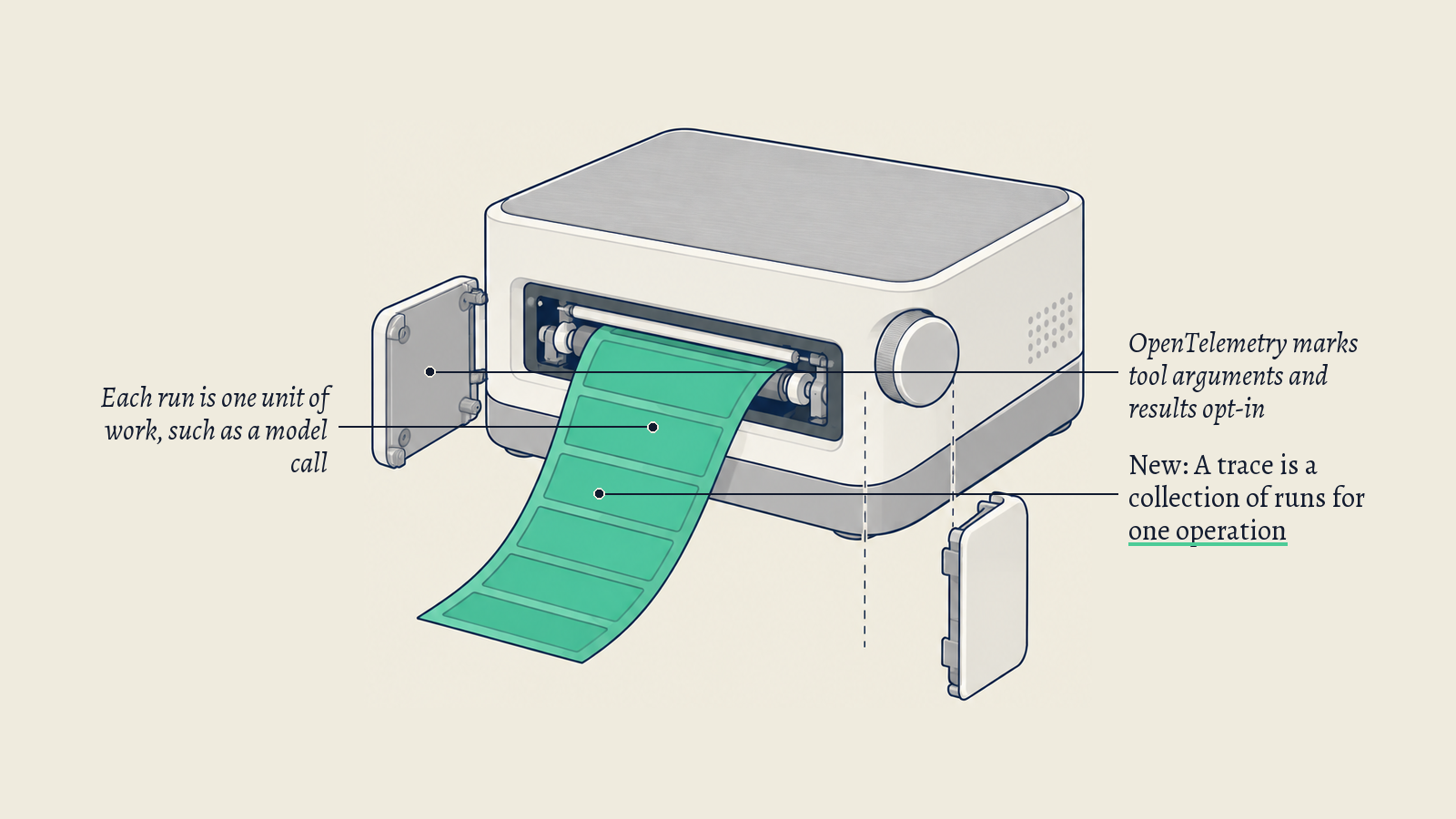
That's today's news: 9 stories. ExplainedHow Anthropic's RSP decides a capability threshold is met, and what followsExplainedWhat a system prompt does, and which of Anthropic's prompts are publishedExplainedHow an agent trace records each model call and tool call

The morning email

On the mornings we publish: the three top stories and up to four short ones. Free.

We email you a link to confirm. An issue may include one sponsor, always labelled Sponsored · Advertisement. Our emails count opens and clicks, not who made them. Unsubscribe in one click. What we keep

1 of 9
Dario Amodei, Anthropic's co-founder and chief executive, speaking on stage at TechCrunch Disrupt in 2023. Kimberly White/Getty Images for TechCrunch / Dario Amodei at TechCrunch Disrupt 2023 / CC BY 2.0, cropped

Safety · 5 NOV

Anthropic estimates its future models may imminently meet its RSP AI-acceleration threshold

Amendment No. 1 to its S-1, filed 2 November, rests the statement on estimates for future models; Anthropic says it has designated no current model as exceeding the threshold.

  • Anthropic's S-1 amendment, filed 2 November 2026, says its estimates for future models indicate it may imminently meet its RSP definition of "dramatically accelerated progress attributable to AI."
  • The S-1 Anthropic filed on 26 October contains neither "imminently" nor "dramatically accelerated progress", so the wording is new in the amendment.
  • Anthropic says it has not designated any current model as exceeding the threshold, continues to assess the data, and will release further reports as its RSP sets out.
Checked 5 Nov, 05:21 · U.S. SEC / Anthropic, PBC · 4 sources
Illustration: A tall steel cabinet with its door open, a dial counter on its side and a padlock plate by the frame. The green door stands for released weights. Illustration made with AI for ai notis

Models · 5 NOV

Moonshot opens Kimi K3.1 Pro weights; model-service firms over $20M must sign first

The weights are ungated on Hugging Face; a company running a model-as-a-service business, if it and its affiliates take in more than $20 million over any 12 months, needs a Moonshot agreement.

  • Moonshot has put Kimi K3.1 Pro on Hugging Face, ungated, in 96 weight files: 2.8T total parameters, 104B active, and a context length of 1048576 tokens.
  • A company running a model-as-a-service business whose aggregate revenue, with its affiliates, exceeds 20 million US dollars over any 12 months must sign a separate Moonshot AI agreement first.
  • Products with over 100 million monthly active users, or 20 million US dollars in monthly revenue, must display "Kimi K3.1-Pro"; internal use and Moonshot's own products or partners are exempt.
Checked 5 Nov, 05:21 · Moonshot AI (Hugging Face) · 3 sources
Lisa Su, AMD's chief executive, photographed at South by Southwest in Austin, Texas, in March 2024. Fuzheado / SXSW-2024-alih-OB7A0861-Lisa Su / CC BY 4.0, cropped

Compute · 5 NOV

AMD values its pending Taalas inference-chip purchase at about $2.9 billion

Taalas develops specialised AI inference silicon; up to about $1.4 billion of the price is contingent, and AMD's 10-Q expects the deal to close by the end of 2026.

  • AMD's 10-Q, for the quarter ended 26 September 2026, values the cash-and-stock acquisition of Taalas at about $2.9 billion, including contingent consideration of up to about $1.4 billion.
  • AMD announced a definitive agreement on 6 August 2026 in a press release that stated no price; the release calls Taalas a pioneer in specialized AI inference silicon.
  • The 10-Q says the acquisitions are expected to close by the end of 2026, subject to regulatory approvals and customary closing conditions.
Checked 5 Nov, 05:21 · U.S. SEC / AMD · 2 sources
Illustration: A flow-metering station with a main supply pipe and a narrow side line; the green side line and valve stand for compute bought on short-term commitments. Illustration made with AI for ai notis

Compute · 3 NOV

Anthropic's amended S-1 reports a $567 million operating loss, blaming short-term compute

Revenue was $16,956 million against $11,555 million a quarter earlier, more than 46% higher; the filing also says over 90% of September code contributions were written by Claude.

  • Anthropic's operating loss was $567 million in the September quarter, against operating income of $974 million in the June quarter.
  • The filing attributes the loss primarily to $5.0 billion of compute under short-term commitments, which costs significantly more than multi-year compute, and $2.0 billion of non-cash donation matching charges.
  • Aggregate committed spend is about $895.4 billion, substantially all for compute and infrastructure, with about $69.8 billion due in the 12 months after 30 September 2026.
Checked 3 Nov, 05:26 · U.S. SEC / Anthropic, PBC · 1 source
Illustration: A parcel-sorting cabinet with an intake slot, a central drum and output chutes; the green drum stands for the new backend that handles Git requests. Illustration made with AI for ai notis

Work · 3 NOV

OpenAI reports building Pando, its Git backend, with Codex in 10 weeks

OpenAI says Pando cut median push latency by nearly 5x, and that agents used GPT-6 Astra to write Lean and TLA+ formalisations that found bugs. All figures are OpenAI's own.

  • OpenAI says Pando, its new Git backend, cut median push latency by nearly 5x in production and now delivers nearly a petabyte of Git data per day.
  • OpenAI says its monorepo systems struggled from late last year, with reliability at times below 90%, and that Codex let engineers do far more work in parallel.
  • OpenAI says one engineer designed the core, teams of agents implemented it and a handful of engineers deployed it, and that Pando began serving production traffic in April.
Checked 3 Nov, 05:28 · OpenAI · 1 source
Illustration: A payout cabinet with three stacked trays; the green top tray stands for the higher reward for critical findings. Illustration made with AI for ai notis

Safety · 3 NOV

OpenAI pays up to $30,000 for critical bugs in core products like ChatGPT

OpenAI says Codex helped engineers in its last security sprint; for the next, with Cathedral, it names no model. Reports not yet paid move to the new reward ranges.

  • OpenAI says it is more than quadrupling, on average, the midpoint of its medium, high and critical reward ranges; critical core-product findings earn up to $30,000.
  • Exceptional critical findings on those targets remain eligible for up to $100,000, and now up to $172,000 with bonuses; reports submitted but not yet awarded get the new ranges.
  • For bounties awarded in the 30 days before the announcement, OpenAI says it will pay the difference where the finding would have earned more under the new ranges.
Checked 3 Nov, 05:27 · OpenAI · 2 sources
White title text, Community Safety Report and New Protections for Teens, centred on a soft yellow-to-green gradient. Image: OpenAI

Safety · 2 NOV

ChatGPT will be able to end chats that fixate on violence

OpenAI's post of 30 October says these safeguards and tighter teen weapons limits roll out in the next few weeks; it names ChatGPT and no model.

  • OpenAI says ChatGPT will be able to end a chat that shows someone fixating on violence, and may temporarily pause an account after several ended chats.
  • ChatGPT for Teens will restrict practical information about weapons and security systems even without signs of violent intent; for all users, answers on past mass attacks lose weapons detail.
  • OpenAI says the safeguards begin rolling out in the next few weeks, and that it made over 200 law enforcement referrals in Q3 2026.
Checked 2 Nov, 05:32 · OpenAI · 1 source
Illustration: A graphite control panel with a row of plug-in modules; one green module, half slid out of its slot, stands for a part that can be swapped. Illustration made with AI for ai notis

Tooling · 2 NOVnarrowed

DeepSeek's open-source Harness agent framework warns it has had no security audit

DeepSeek Harness, an MIT-licensed agent harness in public preview with desktop apps and a web UI, can run model-generated code and reach credentials and files, its safety notice says.

  • DeepSeek Harness (dsh) is open source under the MIT licence; its product page calls it a public preview, with desktop apps for macOS and Windows and a web UI.
  • DeepSeek's safety notice says it has not had a security audit and can run model-generated code and commands, load third-party plugins, and reach the network, processes, credentials and files.
  • The README warns of compatibility-breaking changes; the architecture document says every part, including the model adapter and agent loop, is a plugin that configuration can replace.
Checked 2 Nov, 05:33 · DeepSeek AI (GitHub) · 4 sources
Video thumbnail for Harrison Chase's Interrupt London keynote on LangChain's YouTube channel, with the title Why Own Your Intelligence? Watch on YouTubeVideo: LangChain on YouTube

Tooling · 2 NOV

An agent is the harness around its model, LangChain's Harrison Chase says

At Interrupt London, in a keynote published on 30 October, Chase said LangChain is launching a self-report endpoint agents can call as they run, and that Engine has scanned over 70 million traces.

  • Chase says what makes an agent work is everything around the model: the harness with skills, tools, context, controls and governance (02:43).
  • He says LangChain is launching a self-report tool or endpoint that an agent can call as it is running (30:45).
  • Chase says Engine has scanned over 70 million traces and detected over 21,000 issues (31:50); LangChain's blog of 25 September said more than 60M traces.
Checked 2 Nov, 05:22 · LangChain (YouTube) · 3 sources

You're all caught up

That's today's news: 9 stories.

ExplainedHow Anthropic's RSP decides a capability threshold is met, and what followsExplainedWhat a system prompt does, and which of Anthropic's prompts are publishedExplainedHow an agent trace records each model call and tool call

You can join ai notis soon, to follow cases and keep stories on every device.

Follow us on Instagram and Threads

The morning email

On the mornings we publish: the three top stories and up to four short ones. Free.

We email you a link to confirm. An issue may include one sponsor, always labelled Sponsored · Advertisement. Our emails count opens and clicks, not who made them. Unsubscribe in one click. What we keep

No story today matches. Open the archive
Dario Amodei, Anthropic's co-founder and chief executive, speaking on stage at TechCrunch Disrupt in 2023. Kimberly White/Getty Images for TechCrunch / Dario Amodei at TechCrunch Disrupt 2023 / CC BY 2.0, cropped Safety · 5 NOV Anthropic estimates its future models may imminently meet its RSP AI-acceleration threshold U.S. SEC / Anthropic, PBC · 4 sources · 5 Nov, 05:21 Illustration: A tall steel cabinet with its door open, a dial counter on its side and a padlock plate by the frame. The green door stands for released weights. Illustration made with AI for ai notis Models · 5 NOV Moonshot opens Kimi K3.1 Pro weights; model-service firms over $20M must sign first Moonshot AI (Hugging Face) · 3 sources · 5 Nov, 05:21 Lisa Su, AMD's chief executive, photographed at South by Southwest in Austin, Texas, in March 2024. Fuzheado / SXSW-2024-alih-OB7A0861-Lisa Su / CC BY 4.0, cropped Compute · 5 NOV AMD values its pending Taalas inference-chip purchase at about $2.9 billion U.S. SEC / AMD · 2 sources · 5 Nov, 05:21 Illustration: A flow-metering station with a main supply pipe and a narrow side line; the green side line and valve stand for compute bought on short-term commitments. Illustration made with AI for ai notis Compute · 3 NOV Anthropic's amended S-1 reports a $567 million operating loss, blaming short-term compute U.S. SEC / Anthropic, PBC · 1 source · 3 Nov, 05:26 Illustration: A parcel-sorting cabinet with an intake slot, a central drum and output chutes; the green drum stands for the new backend that handles Git requests. Illustration made with AI for ai notis Work · 3 NOV OpenAI reports building Pando, its Git backend, with Codex in 10 weeks OpenAI · 1 source · 3 Nov, 05:28 Illustration: A payout cabinet with three stacked trays; the green top tray stands for the higher reward for critical findings. Illustration made with AI for ai notis Safety · 3 NOV OpenAI pays up to $30,000 for critical bugs in core products like ChatGPT OpenAI · 2 sources · 3 Nov, 05:27 White title text, Community Safety Report and New Protections for Teens, centred on a soft yellow-to-green gradient. Image: OpenAI Safety · 2 NOV ChatGPT will be able to end chats that fixate on violence OpenAI · 1 source · 2 Nov, 05:32 Illustration: A graphite control panel with a row of plug-in modules; one green module, half slid out of its slot, stands for a part that can be swapped. narrowedIllustration made with AI for ai notis Tooling · 2 NOV DeepSeek's open-source Harness agent framework warns it has had no security audit DeepSeek AI (GitHub) · 4 sources · 2 Nov, 05:33 Video thumbnail for Harrison Chase's Interrupt London keynote on LangChain's YouTube channel, with the title Why Own Your Intelligence? Video: LangChain on YouTube Tooling · 2 NOV An agent is the harness around its model, LangChain's Harrison Chase says LangChain (YouTube) · 3 sources · 2 Nov, 05:22

That's today's news: 9 stories.Archive

Today's stories 9 STORIES

Today's stories

Week 45 · 9 STORIES
  1. Safety · 5 NOV

    Anthropic estimates its future models may imminently meet its RSP AI-acceleration threshold

    Dario Amodei, Anthropic's co-founder and chief executive, speaking on stage at TechCrunch Disrupt in 2023.Kimberly White/Getty Images for TechCrunch / Dario Amodei at TechCrunch Disrupt 2023 / CC BY 2.0, cropped

    Amendment No. 1 to its S-1, filed 2 November, rests the statement on estimates for future models; Anthropic says it has designated no current model as exceeding the threshold.

    Checked 5 Nov, 05:21 · U.S. SEC / Anthropic, PBC · 4 sourcesRead

  2. Models · 5 NOV

    Moonshot opens Kimi K3.1 Pro weights; model-service firms over $20M must sign first

    Illustration: A tall steel cabinet with its door open, a dial counter on its side and a padlock plate by the frame. The green door stands for released weights.Illustration made with AI for ai notis

    The weights are ungated on Hugging Face; a company running a model-as-a-service business, if it and its affiliates take in more than $20 million over any 12 months, needs a Moonshot agreement.

    Checked 5 Nov, 05:21 · Moonshot AI (Hugging Face) · 3 sourcesRead

  3. Compute · 5 NOV

    AMD values its pending Taalas inference-chip purchase at about $2.9 billion

    Lisa Su, AMD's chief executive, photographed at South by Southwest in Austin, Texas, in March 2024.Fuzheado / SXSW-2024-alih-OB7A0861-Lisa Su / CC BY 4.0, cropped

    Taalas develops specialised AI inference silicon; up to about $1.4 billion of the price is contingent, and AMD's 10-Q expects the deal to close by the end of 2026.

    Checked 5 Nov, 05:21 · U.S. SEC / AMD · 2 sourcesRead

  4. Compute · 3 NOV

    Anthropic's amended S-1 reports a $567 million operating loss, blaming short-term compute

    Illustration: A flow-metering station with a main supply pipe and a narrow side line; the green side line and valve stand for compute bought on short-term commitments.Illustration made with AI for ai notis

    Revenue was $16,956 million against $11,555 million a quarter earlier, more than 46% higher; the filing also says over 90% of September code contributions were written by Claude.

    Checked 3 Nov, 05:26 · U.S. SEC / Anthropic, PBC · 1 sourceRead

  5. Work · 3 NOV

    OpenAI reports building Pando, its Git backend, with Codex in 10 weeks

    Illustration: A parcel-sorting cabinet with an intake slot, a central drum and output chutes; the green drum stands for the new backend that handles Git requests.Illustration made with AI for ai notis

    OpenAI says Pando cut median push latency by nearly 5x, and that agents used GPT-6 Astra to write Lean and TLA+ formalisations that found bugs. All figures are OpenAI's own.

    Checked 3 Nov, 05:28 · OpenAI · 1 sourceRead

  6. Safety · 3 NOV

    OpenAI pays up to $30,000 for critical bugs in core products like ChatGPT

    Illustration: A payout cabinet with three stacked trays; the green top tray stands for the higher reward for critical findings.Illustration made with AI for ai notis

    OpenAI says Codex helped engineers in its last security sprint; for the next, with Cathedral, it names no model. Reports not yet paid move to the new reward ranges.

    Checked 3 Nov, 05:27 · OpenAI · 2 sourcesRead

  7. Safety · 2 NOV

    ChatGPT will be able to end chats that fixate on violence

    White title text, Community Safety Report and New Protections for Teens, centred on a soft yellow-to-green gradient.Image: OpenAI

    OpenAI's post of 30 October says these safeguards and tighter teen weapons limits roll out in the next few weeks; it names ChatGPT and no model.

    Checked 2 Nov, 05:32 · OpenAI · 1 sourceRead

  8. Tooling · 2 NOV · narrowed

    DeepSeek's open-source Harness agent framework warns it has had no security audit

    Illustration: A graphite control panel with a row of plug-in modules; one green module, half slid out of its slot, stands for a part that can be swapped.Illustration made with AI for ai notis

    DeepSeek Harness, an MIT-licensed agent harness in public preview with desktop apps and a web UI, can run model-generated code and reach credentials and files, its safety notice says.

    Checked 2 Nov, 05:33 · DeepSeek AI (GitHub) · 4 sourcesRead

  9. Tooling · 2 NOV

    An agent is the harness around its model, LangChain's Harrison Chase says

    Video thumbnail for Harrison Chase's Interrupt London keynote on LangChain's YouTube channel, with the title Why Own Your Intelligence?Video: LangChain on YouTube

    At Interrupt London, in a keynote published on 30 October, Chase said LangChain is launching a self-report endpoint agents can call as they run, and that Engine has scanned over 70 million traces.

    Checked 2 Nov, 05:22 · LangChain (YouTube) · 3 sourcesRead

Safety 5 NOV

Anthropic estimates its future models may imminently meet its RSP AI-acceleration threshold

Amendment No. 1 to its S-1, filed 2 November, rests the statement on estimates for future models; Anthropic says it has designated no current model as exceeding the threshold.

U.S. SEC / Anthropic, PBC · 4 sources·checked 5 Nov, 05:21
AnthropicIPOResponsible Scaling Policy
Dario Amodei, Anthropic's co-founder and chief executive, speaking on stage at TechCrunch Disrupt in 2023.Kimberly White/Getty Images for TechCrunch / Dario Amodei at TechCrunch Disrupt 2023 / CC BY 2.0, cropped
Models

Moonshot opens Kimi K3.1 Pro weights; model-service firms over $20M must sign first

The weights are ungated on Hugging Face; a company running a model-as-a-service business, if it and its affiliates take in more than $20 million over any 12 months, needs a Moonshot agreement.

5 NOV · Moonshot AI (Hugging Face) · 3 sources
Compute

AMD values its pending Taalas inference-chip purchase at about $2.9 billion

Taalas develops specialised AI inference silicon; up to about $1.4 billion of the price is contingent, and AMD's 10-Q expects the deal to close by the end of 2026.

5 NOV · U.S. SEC / AMD · 2 sources
Compute

Anthropic's amended S-1 reports a $567 million operating loss, blaming short-term compute

Revenue was $16,956 million against $11,555 million a quarter earlier, more than 46% higher; the filing also says over 90% of September code contributions were written by Claude.

3 NOV · U.S. SEC / Anthropic, PBC · 1 source
Work

OpenAI reports building Pando, its Git backend, with Codex in 10 weeks

OpenAI says Pando cut median push latency by nearly 5x, and that agents used GPT-6 Astra to write Lean and TLA+ formalisations that found bugs. All figures are OpenAI's own.

3 NOV · OpenAI · 1 source
Safety

OpenAI pays up to $30,000 for critical bugs in core products like ChatGPT

OpenAI says Codex helped engineers in its last security sprint; for the next, with Cathedral, it names no model. Reports not yet paid move to the new reward ranges.

3 NOV · OpenAI · 2 sources
Safety

ChatGPT will be able to end chats that fixate on violence

OpenAI's post of 30 October says these safeguards and tighter teen weapons limits roll out in the next few weeks; it names ChatGPT and no model.

2 NOV · OpenAI · 1 source
toned down Tooling

DeepSeek's open-source Harness agent framework warns it has had no security audit

DeepSeek Harness, an MIT-licensed agent harness in public preview with desktop apps and a web UI, can run model-generated code and reach credentials and files, its safety notice says.

2 NOV · DeepSeek AI (GitHub) · 4 sources
Tooling

An agent is the harness around its model, LangChain's Harrison Chase says

At Interrupt London, in a keynote published on 30 October, Chase said LangChain is launching a self-report endpoint agents can call as they run, and that Engine has scanned over 70 million traces.

2 NOV · LangChain (YouTube) · 3 sources

Explained

3 ideas behind the news
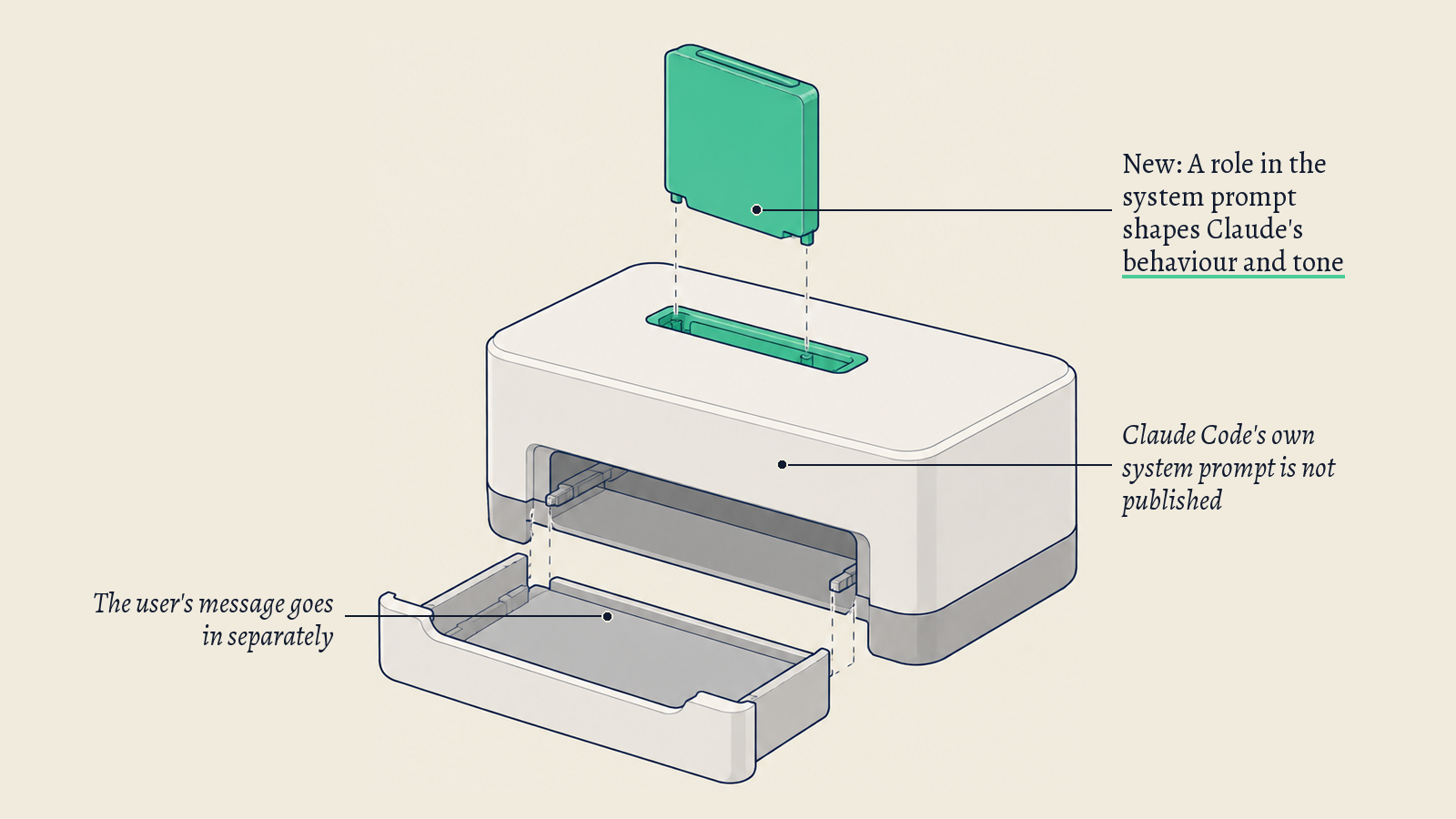
Safety How Anthropic's RSP decides a capability threshold is met, and what follows Anthropic's Responsible Scaling Policy v3.4 counts its automated AI R&D threshold as met in two ways, and ties reports, external review and a conditional delay to it. Tooling What a system prompt does, and which of Anthropic's prompts are published Anthropic publishes the system prompt for claude.ai and its mobile apps and says Claude Code's is not published; a role set in a system prompt shapes Claude's behaviour and tone. Tooling How an agent trace records each model call and tool call Chase says LangSmith Engine has scanned over 70 million traces. LangSmith and OpenTelemetry documents show what a trace holds and which fields are opt-in.
In brief 11 more today
0 of 9 read
Drag a card to start Drag left or right · tap to read more Hover to lift a card · tap to bring it forward Tap again to put it back Tap a card to open it Tap again to close it Tap a headline to read it as a card