2026-10-03 notis CATEGORY Join
Show Read as Find Sections Models and releasesAgents and appsResearch worth knowingMoney and computeLaws and rulingsSafety and security More ArchiveModelsTrackersAboutCorrectionsThe numbersRSS
My notis
NOTICE OF THE DAY
October 2026 3 NOTICES
MTWTFSS
1 2 3 4 5 6 7 8 9 10 11 12 13 14 15 16 17 18 19 20 21 22 23 24 25 26 27 28 29 30 31

Marked days carry a notice. The archive opens in the register.

The whole week ›
09:33
0/3
WEATHER SKY STACK

Take the day one card at a time

today

My page

Everything you saved, what you asked to be told about, and how often we write. Kept in this browser, not on an account.

SAVED FOLLOWING COLLECTIONS READING SINCE
Nothing saved yet. The bookmark on any card keeps it here, and the notices you save are what propose the features in the monthly issue. read today
all cases

No case followed yet. Open a case from Cases and press Follow the case. It shows here, with what is new since you last looked.

Pricing watch Anything that moves a published rate.
Migration risks Deprecations and successor gaps.
One notice a day, the morning it is checked. Five a week.The week's five in one email, Friday at 07:00.Nothing daily. Just the monthly issue when it publishes.
Safety 3 OCT

Altman says OpenAI will slow training or release for safety
OpenAIdotssafety cases
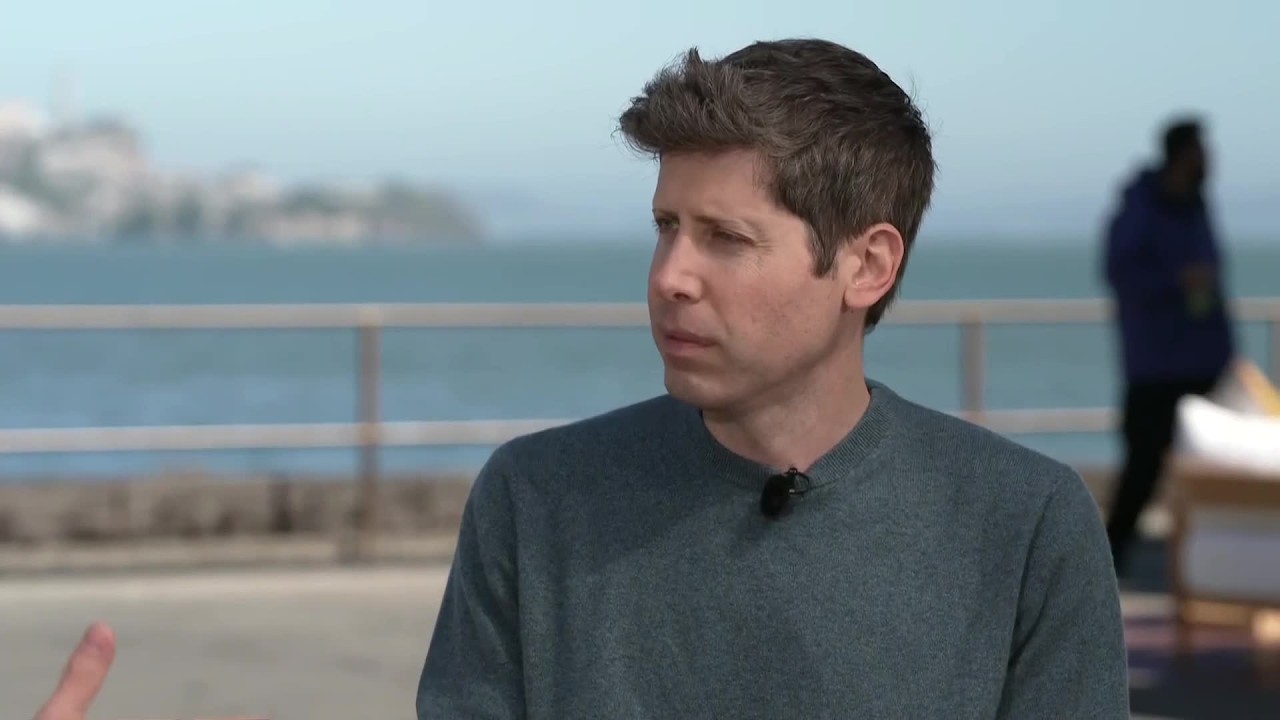
Altman on OpenAI's IPO Plans, AI Agent Dots, AI Security: a video from Bloomberg Television on YouTubeVideo: Bloomberg Television on YouTube

In Bloomberg and CNBC interviews from OpenAI's DevDay, published 29 September, chief executive Sam Altman said OpenAI will slow training or model release when safety needs it.

SOURCEOpenAI · 3 sources
CHECKED3 Oct, 04:31
Safety watch read
Altman on OpenAI's IPO Plans, AI Agent Dots, AI Security: a video from Bloomberg Television on YouTube Safety / 3 OCT

Altman says OpenAI will slow training or release for safety

  • Asked by Bloomberg about slowing training or model release, Altman said that when safety needs it "we will happily do that" (04:48).
  • On CNBC he said "this model was a little bit worse on a few of the evals we look at" (01:35) and called it abundance of caution (01:40).
  • He said "one thing that would be good would be shared standards for safety cases" (08:25).

Sam Altman is chief executive of OpenAI. Bloomberg Television published an interview with Altman at OpenAI’s DevDay in San Francisco on 29 September 2026. CNBC Television published a separate interview with him from DevDay on the same day. In the Bloomberg interview the host said to Altman: "you held back the release of Astra 6.1, and last week, you paused training on a separate model" (04:12). Altman answered that "when we need to make a decision about slowing down our training or our model release so that we can make more progress and put more of our attention into safety, alignment, monitoring, security, we will happily do that" (04:48). In the CNBC interview the host said "OpenAI essentially abandoned plans to launch a new model because of safety concerns" (00:37) and asked what had changed. Altman replied that "alignment, safety, monitoring, security have to stay way ahead of capabilities" (01:14). Asked what about the model worried him, he said "this model was a little bit worse on a few of the evals we look at" (01:35). He also said "think of this in the abundance of caution category" (01:40). On the standard he wants across labs, Altman said "I think one thing that would be good would be shared standards for safety cases" (08:25). On OpenAI going public, he said OpenAI wants to "make some of these decisions in front of us without the pressure of being a newly public company" (07:37). He added "I think we'll be public at some point" (07:40). Altman said dots runs OpenAI’s best model: "we're putting our best model Astra in this" (00:46). He said of dots that "we're starting for something at the top end of the market, and you will see us over time make a mass market consumer version" (01:07).

What it means for you Our view

Altman's statements are a commitment in general terms: OpenAI will slow training or release when safety needs it, and he describes the CNBC case as caution. The Bloomberg host's description that OpenAI held back Astra 6.1, and the CNBC host's description of an abandoned model launch, are the hosts' wording, and the quotes we checked do not show OpenAI confirming either in those terms. His call for shared safety-case standards is a position, not a plan, and no standard is named. If you build on OpenAI models, ask your account contact what notice you would get if a release is delayed or a model is withdrawn, and whether your contract covers that.
TAGSOpenAIdotssafety cases
OpenAI · 3 sources tap to close
Tooling 3 OCT

YouTube chief Neal Mohan says audience and quality decide content

AI slopYouTube
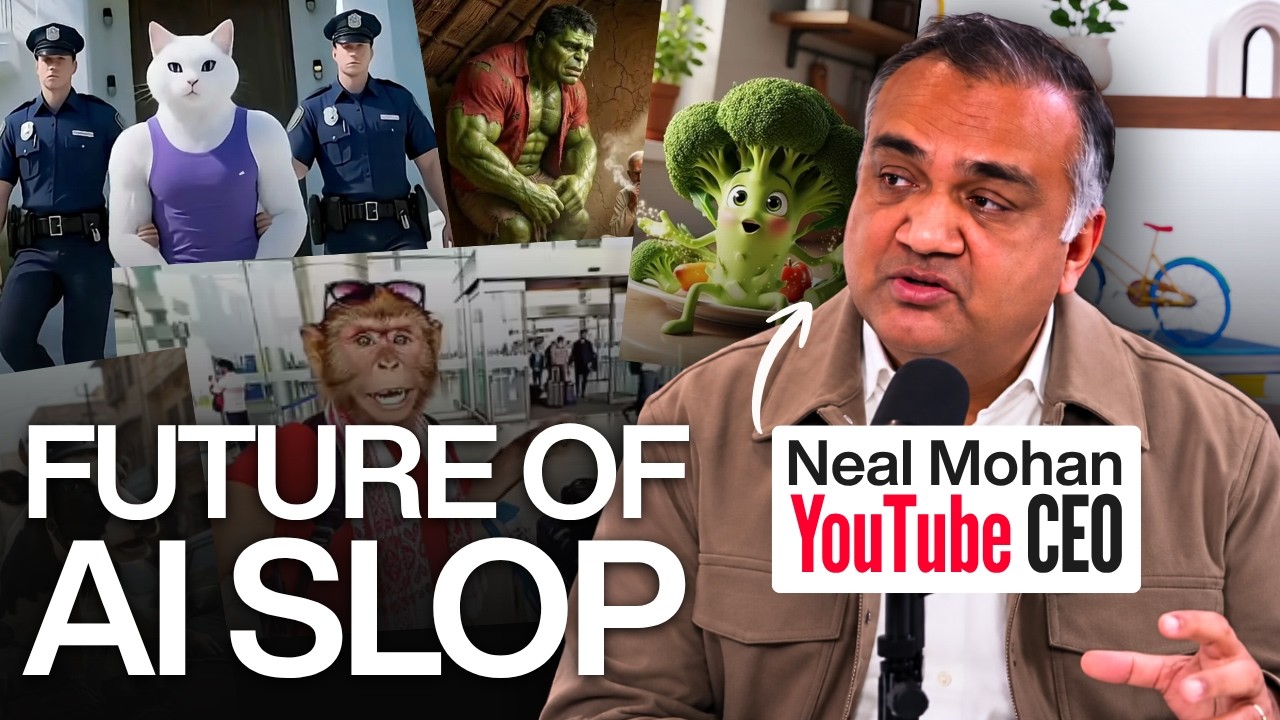
YouTube CEO: "We Take AI Slop Very Seriously" (Full Conversation): a video from Big Technology on YouTubeVideo: Big Technology on YouTube

In a Big Technology interview published 27 September, YouTube chief executive Neal Mohan said the choice of AI tools is the creator's and that YouTube takes AI slop very seriously.

SOURCEYouTube Blog · 2 sources
CHECKED3 Oct, 04:28
Tooling watch read
YouTube CEO: "We Take AI Slop Very Seriously" (Full Conversation): a video from Big Technology on YouTube Tooling / 3 OCT

YouTube chief Neal Mohan says audience and quality decide content

  • Asked whether he wants AI-generated content on YouTube, Mohan said "it's the creator's choice and responsibility to choose which tools to use and how to use them" (00:46).
  • Asked whether YouTube would penalise content for being AI, he said "it's got to be more about the quality of the content and what's resonating with an audience" (05:13).
  • He said "we take the notion of um AI slop very seriously" (05:19), and that he would never want YouTube Shorts to become that (05:26).

Neal Mohan is chief executive of YouTube. Big Technology published a full conversation with Mohan on YouTube on 27 September 2026. Asked whether he wants AI-generated content on YouTube, Mohan said "it’s the creator’s choice and responsibility to choose which tools to use and how to use them" (00:46). He compared AI with earlier creative tools, saying "AI in that sense is not different than other types of technology that enabled creativity in the past" (01:07). Asked whether YouTube would penalise content only for being AI, he said the test is quality: "it’s got to be more about the quality of the content and what’s resonating with an audience" (05:13). On drawing a line around AI use, Mohan asked "how do you draw the line, right?" (05:09). He said "we take the notion of um AI slop very seriously" (05:19), with the um as the automatic captions give it. He added "I would never want, you know, our our YouTube shorts experience to to basically become that" (05:26), where that is AI slop, with the repeated words as the automatic captions give them. On who decides what rises, Mohan said to replace the word AI algorithm with audience: "It’s the audience that is choosing." (14:26). In a January 2026 letter on YouTube’s blog, Mohan wrote that YouTube is "actively building on our established systems that have been very successful in combatting spam and clickbait" to reduce the spread of low quality AI content. The same letter says YouTube clearly labels content made by its own AI products and requires creators to disclose realistic altered or synthetic content.

What it means for you Our view

Mohan's stated position puts the judgement on quality and audience response, with the choice of tools left to the creator. YouTube's January 2026 letter, signed by Mohan, adds two concrete measures: content from YouTube's own AI products is labelled, and creators must disclose realistic altered or synthetic content. The claims we checked do not say how YouTube measures low quality, so that part remains his description of intent. If you publish AI-assisted video on YouTube, review your disclosure settings against the rule in that letter and keep a record of how each video was made.

TAGSAI slopYouTube
narrowed Safety 3 OCT

How SynthID watermarks AI content and what limits it

C2PAGoogleSynthIDWatermarking
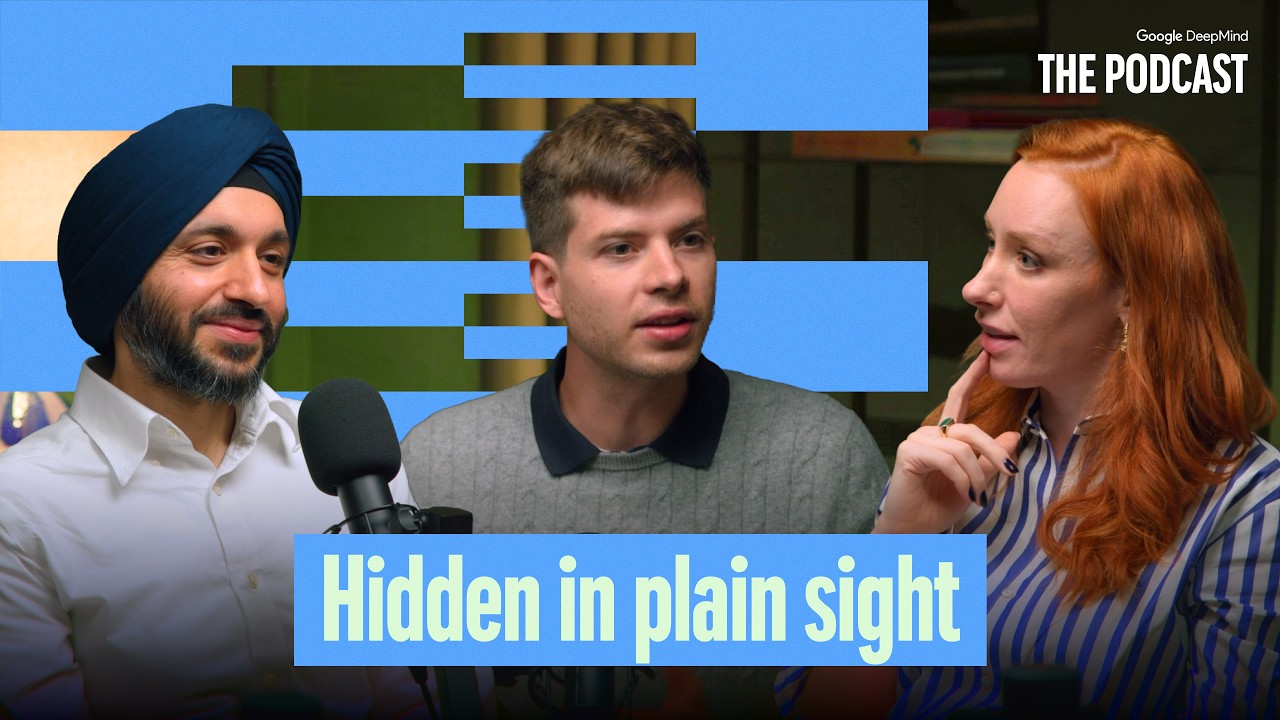
From deepfakes to DNA: the science of watermarking AI: a video from Google DeepMind on YouTubeVideo: Google DeepMind on YouTube

This explainer covers how Google DeepMind's SynthID hides a signal in AI-generated images, video, audio and text, how C2PA records fit alongside it, and where watermarks are weak.

SOURCEGoogle DeepMind · 6 sources
CHECKED3 Oct, 04:32
Safety watch read
From deepfakes to DNA: the science of watermarking AI: a video from Google DeepMind on YouTube Safety / 3 OCT

How SynthID watermarks AI content and what limits it

  • Google says SynthID embeds watermarks into AI-generated images, audio, text or video that humans cannot perceive and that SynthID's technology can detect.
  • For text, Google says SynthID adjusts token probability scores; the Nature paper says it modifies only the sampling procedure and detects the mark without the underlying model.
  • The paper lists limits: generative watermarks are vulnerable to stealing, spoofing and scrubbing, and are weakened by edits such as paraphrasing by a language model.

SynthID is a tool from Google DeepMind to watermark and identify content generated through AI. SynthID embeds digital watermarks into AI-generated images, audio, text or video, and the watermarks are imperceptible to humans but can be detected by SynthID’s technology. For images, Google says SynthID adds an invisible watermark that is designed to stand up to modifications like cropping, adding filters, changing frame rates or lossy compression. For text, Google explains that a language model generates text one token at a time, each token has a probability score, and SynthID adjusts these probability scores to generate a watermark. The Nature paper on SynthID-Text says the scheme does not affect model training, modifies only the sampling procedure, and detects the watermark without using the underlying language model. The paper says SynthID-Text uses a sampling algorithm called Tournament sampling. In a live experiment the authors assessed feedback from nearly 20 million Gemini responses, which they say confirmed that text quality was preserved. Google DeepMind’s Pushmeet Kohli said in a DeepMind podcast published 1 October 2026 that the watermarks Google builds are designed for "imperceptibility, robustness and scalability" (04:13). The paper lists limits: generative watermarks are vulnerable to stealing, spoofing and scrubbing attacks, and are weakened by edits to the text such as paraphrasing by a language model. It also says that enforcing watermarking on open-source models deployed in a decentralized manner is difficult. A watermark is one of two ways to tie content to its origin: the C2PA specification describes a signed manifest of provenance information, which it also calls Content Credentials. In that specification a hard binding is one or more cryptographic hashes that identify an asset or part of it, and a soft binding can be a content identifier embedded as an invisible watermark. Google launched the SynthID Detector, a verification portal, on 20 May 2025, and said then that over 10 billion pieces of content had been watermarked with SynthID. On 30 September 2026 Google introduced SynthID Bio, which watermarks AI-designed proteins, and says watermarked designs matched the performance and natural diversity of unwatermarked ones in laboratory tests.

What it means for you Our view

SynthID and C2PA are built differently. Google says the image and video watermark is designed to stand up to cropping, filters, changed frame rates and lossy compression. A C2PA manifest carries a claim signature, and the C2PA specification allows an invisible watermark as a soft binding inside it, so the two can be used together. The Nature paper says text watermarks weaken when a language model paraphrases the text and that enforcing watermarking on open-source models is difficult. If your team relies on marks to identify AI content, ask each vendor which mark it applies to each content type, and test whether the mark survives your own editing steps.

TAGSC2PAGoogleSynthIDWatermarking
NOTHING IN THIS FILTER No notice today matches. The archive goes back further. open the archive →
That is the day. Three notices, all opened at source.

The morning email

On its way: the day's three lead stories and a few quick hits, in your inbox each morning.

1 of 3
Altman on OpenAI's IPO Plans, AI Agent Dots, AI Security: a video from Bloomberg Television on YouTube Watch on YouTubeVideo: Bloomberg Television on YouTube

Safety · 3 OCT

Altman says OpenAI will slow training or release for safety

In Bloomberg and CNBC interviews from OpenAI's DevDay, published 29 September, chief executive Sam Altman said OpenAI will slow training or model release when safety needs it.

  • Asked by Bloomberg about slowing training or model release, Altman said that when safety needs it "we will happily do that" (04:48).
  • On CNBC he said "this model was a little bit worse on a few of the evals we look at" (01:35) and called it abundance of caution (01:40).
  • He said "one thing that would be good would be shared standards for safety cases" (08:25).
Checked 3 Oct, 04:31 · OpenAI · 3 sources
YouTube CEO: "We Take AI Slop Very Seriously" (Full Conversation): a video from Big Technology on YouTube Watch on YouTubeVideo: Big Technology on YouTube

Tooling · 3 OCT

YouTube chief Neal Mohan says audience and quality decide content

In a Big Technology interview published 27 September, YouTube chief executive Neal Mohan said the choice of AI tools is the creator's and that YouTube takes AI slop very seriously.

  • Asked whether he wants AI-generated content on YouTube, Mohan said "it's the creator's choice and responsibility to choose which tools to use and how to use them" (00:46).
  • Asked whether YouTube would penalise content for being AI, he said "it's got to be more about the quality of the content and what's resonating with an audience" (05:13).
  • He said "we take the notion of um AI slop very seriously" (05:19), and that he would never want YouTube Shorts to become that (05:26).
Checked 3 Oct, 04:28 · YouTube Blog · 2 sources
From deepfakes to DNA: the science of watermarking AI: a video from Google DeepMind on YouTube Watch on YouTubeVideo: Google DeepMind on YouTube

Safety · 3 OCTnarrowed

How SynthID watermarks AI content and what limits it

This explainer covers how Google DeepMind's SynthID hides a signal in AI-generated images, video, audio and text, how C2PA records fit alongside it, and where watermarks are weak.

  • Google says SynthID embeds watermarks into AI-generated images, audio, text or video that humans cannot perceive and that SynthID's technology can detect.
  • For text, Google says SynthID adjusts token probability scores; the Nature paper says it modifies only the sampling procedure and detects the mark without the underlying model.
  • The paper lists limits: generative watermarks are vulnerable to stealing, spoofing and scrubbing, and are weakened by edits such as paraphrasing by a language model.
Checked 3 Oct, 04:32 · Google DeepMind · 6 sources

Stack empty

That was the day: three notices, each opened at source.

Joining AI notis opens soon: follow cases as they move, and keep stories on every device.

The morning email

On its way: the day's three lead stories and a few quick hits, in your inbox each morning.

No notice today matches. The archive goes back further. Open the archive
Today's notices 3 NOTICES

Today's notices

Sat 3 Oct · 3 NOTICES
  1. Safety · 3 OCT

    Altman says OpenAI will slow training or release for safety

    Altman on OpenAI's IPO Plans, AI Agent Dots, AI Security: a video from Bloomberg Television on YouTubeVideo: Bloomberg Television on YouTube

    In Bloomberg and CNBC interviews from OpenAI's DevDay, published 29 September, chief executive Sam Altman said OpenAI will slow training or model release when safety needs it.

    Checked 3 Oct, 04:31 · OpenAI · 3 sourcesRead

  2. Tooling · 3 OCT

    YouTube chief Neal Mohan says audience and quality decide content

    YouTube CEO: "We Take AI Slop Very Seriously" (Full Conversation): a video from Big Technology on YouTubeVideo: Big Technology on YouTube

    In a Big Technology interview published 27 September, YouTube chief executive Neal Mohan said the choice of AI tools is the creator's and that YouTube takes AI slop very seriously.

    Checked 3 Oct, 04:28 · YouTube Blog · 2 sourcesRead

  3. Safety · 3 OCT · narrowed

    How SynthID watermarks AI content and what limits it

    From deepfakes to DNA: the science of watermarking AI: a video from Google DeepMind on YouTubeVideo: Google DeepMind on YouTube

    This explainer covers how Google DeepMind's SynthID hides a signal in AI-generated images, video, audio and text, how C2PA records fit alongside it, and where watermarks are weak.

    Checked 3 Oct, 04:32 · Google DeepMind · 6 sourcesRead

Safety 3 OCT

Altman says OpenAI will slow training or release for safety

In Bloomberg and CNBC interviews from OpenAI's DevDay, published 29 September, chief executive Sam Altman said OpenAI will slow training or model release when safety needs it.

OpenAI · 3 sources·checked 3 Oct, 04:31
OpenAIdotssafety cases
Altman on OpenAI's IPO Plans, AI Agent Dots, AI Security: a video from Bloomberg Television on YouTubeVideo: Bloomberg Television on YouTube
Tooling

YouTube chief Neal Mohan says audience and quality decide content

In a Big Technology interview published 27 September, YouTube chief executive Neal Mohan said the choice of AI tools is the creator's and that YouTube takes AI slop very seriously.

3 OCT · YouTube Blog · 2 sources
narrowed Safety

How SynthID watermarks AI content and what limits it

This explainer covers how Google DeepMind's SynthID hides a signal in AI-generated images, video, audio and text, how C2PA records fit alongside it, and where watermarks are weak.

3 OCT · Google DeepMind · 6 sources
Quick hits 3 MORE TODAY
read 00 of three
drag to begin drag left or right · tap to read more hover to raise · tap to bring one forward tap again to return it to the fan tap a card to expand it tap again to collapse tap a headline to open it in the deck