- Alphabet's 10-Q says it had $567.7 billion of revenue backlog at 30 September 2026, of which $560.8 billion related to Google Cloud.
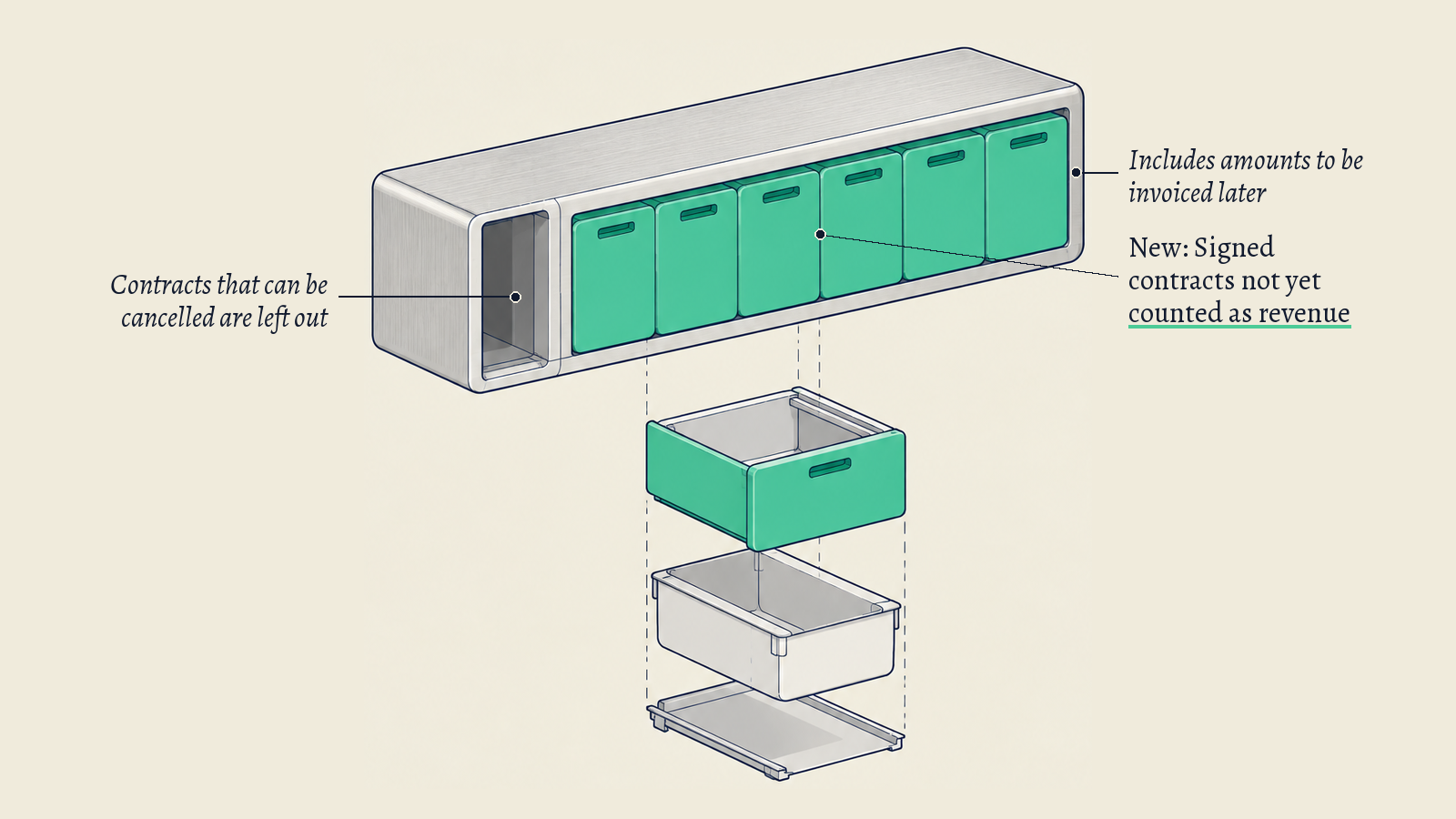
- The 10-Q says the backlog includes deferred revenue already recorded and amounts to be invoiced in later periods, and excludes cancelable contracts.
- Alphabet expects to recognize just over 55% of the backlog within 24 months, and the backlog includes $16.8 billion from an agreement with Crux AI, a related party.
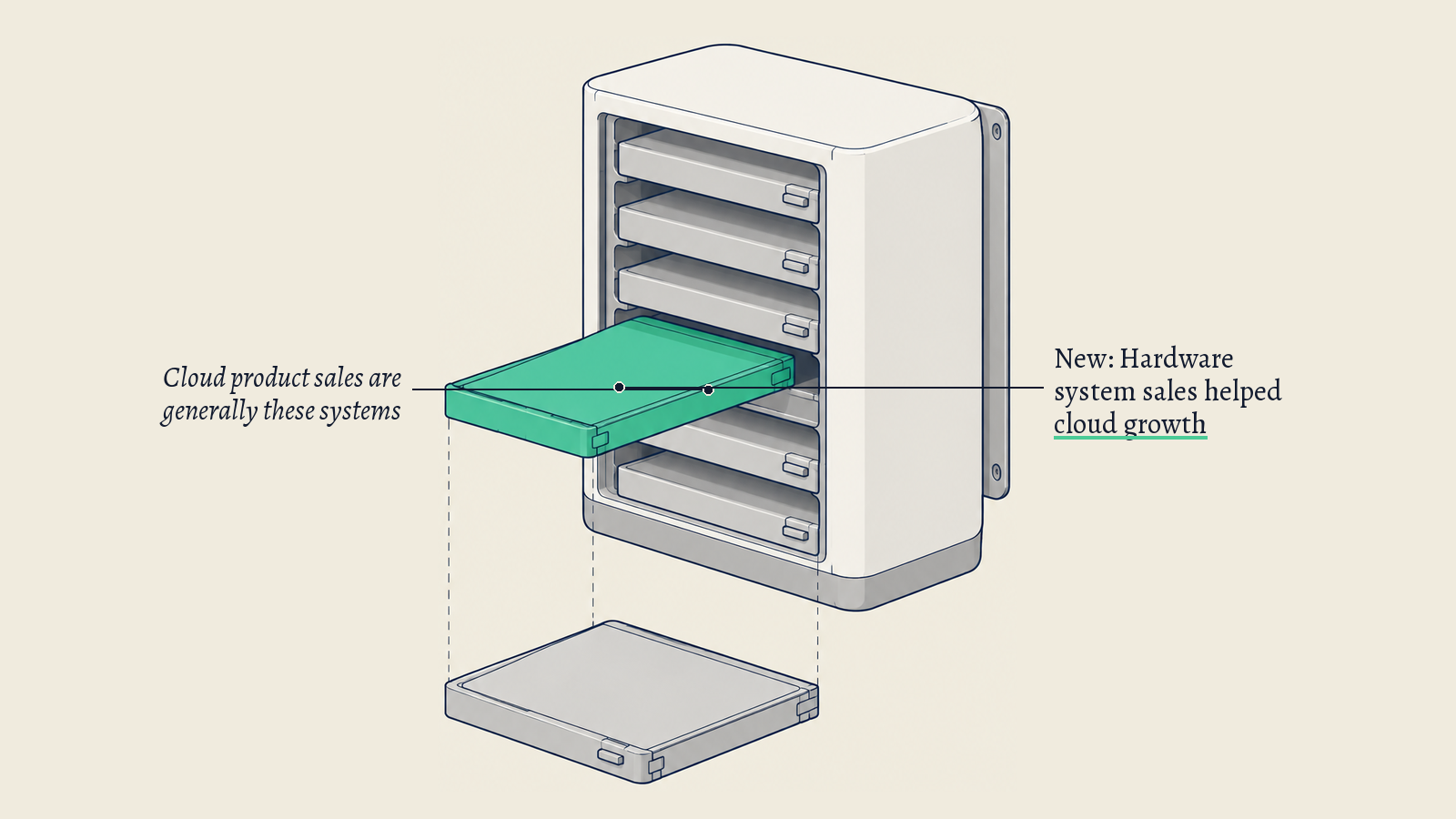
Alphabet's Form 10-Q for the quarter ended 30 September 2026 says it holds $567.7 billion of revenue backlog, and $560.8 billion of it belongs to Google Cloud, which sells TPU chip systems. Revenue backlog is the value of customer contracts that Alphabet has signed but has not yet recorded as revenue. In its Form 10-Q for the quarter ended 30 September 2026, Alphabet defines it as commitments in customer contracts that have not yet been recognised as revenue. The figure counts deferred revenue already on the balance sheet and also amounts that will be invoiced in later periods. It excludes cancelable contracts, so a customer that can walk away without penalty adds nothing to it. Alphabet says it expects to recognise just over 55% of the backlog as revenue over the next 24 months, with the rest after that, so a large part of the figure is not due soon. The 10-Q also says the backlog is largely driven by contract duration and by Alphabet's ability to deliver under the contract terms, and on when customers use the services. Two details show that the number is not a plain forecast. In the first quarter of 2026 Alphabet changed its reporting to include contracts with an original term of one year or less, and the backlog includes $16.8 billion from a multi-year commercial agreement with Crux AI, an unconsolidated joint venture that Alphabet treats as a related party. Nearly 99% of the total is Google Cloud: $560.8 billion of $567.7 billion, both at 30 September 2026. TPU systems matter here because the 10-Q says Google Cloud product sales generally consist of the sale of TPU systems, and that some arrangements may include options requiring Alphabet to repurchase the hardware at pre-set prices. What it means for you: when a cloud company quotes a backlog, check three things in its filing, whether cancelable contracts are excluded, how much is due within 24 months, and whether any of it comes from a related party. A backlog says what customers have committed to buy, and it does not say that the revenue has arrived or will arrive on schedule.
What it means for you Our view
A backlog records what customers have committed to buy, not revenue that has arrived. Before you read a cloud company's figure as a sign of demand for AI, check the filing for three things: whether cancelable contracts are excluded, how much is expected within 24 months, and whether any of it comes from a related party. For Google Cloud, the 10-Q says product sales generally consist of TPU systems and that arrangements may include options requiring Alphabet to repurchase the hardware; it does not say how many do. The next quarterly filing will show whether the 24-month share and the Crux AI amount have changed.
TAGSAlphabetGoogleTPUrevenue backlog