













Reflection AI's Laskin says open models will take most token demand
 Video: No Priors: AI, Machine Learning, Tech, & Startups on YouTube
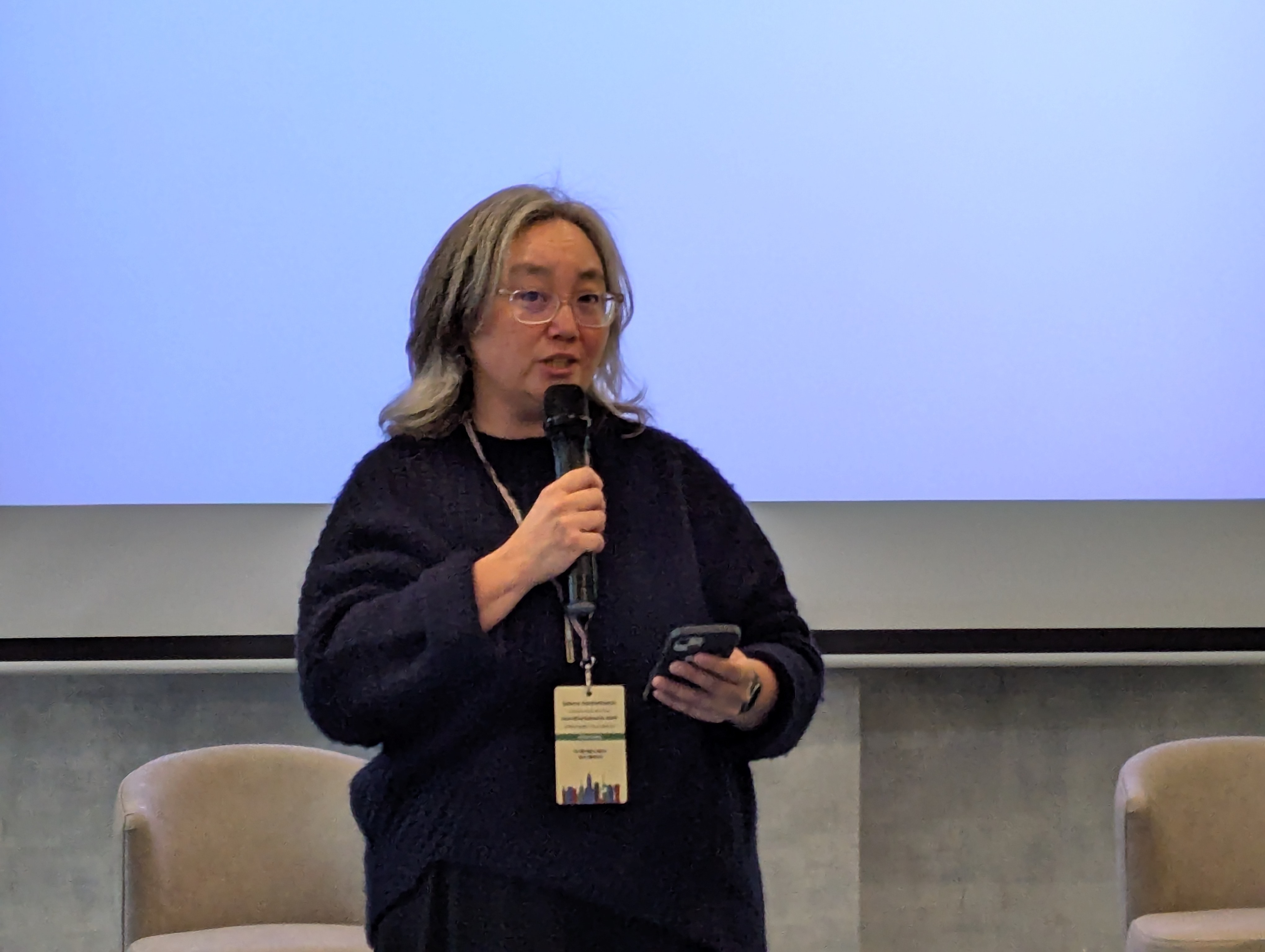
On the No Priors podcast, published on YouTube on 9 October, Misha Laskin of Reflection AI gave his account of Beam's training run and his forecast for open models.
- Laskin says Beam's reinforcement-learning stage used a little over 10,000 GB300s for four weeks (12:47).
- He says Beam tends to be three to four times more efficient than models of the same capability class, his own claim (20:27).
- He says gateway token use flipped from about 70/30 closed to 70/30 open in maybe six months (25:19 to 25:29), and expects open models to take most token demand (26:03).
Misha Laskin, introduced by the host as co-founder and chief executive of Reflection AI, spoke on the No Priors podcast, which published the interview on YouTube on 9 October. Asked for an update, he said Reflection is now at around 300 people. Of Beam's training, he said the run used 6,000 GB300 chips for a few weeks, and that with infrastructure efficiencies it could now be done in about 12 days or less. He put the reinforcement-learning stage at a little over 10,000 GB300s for four weeks. He said Beam tends to be three to four times more efficient than models of the same capability class. On the market, he said token use on model gateways has flipped from roughly 70 per cent closed to 70 per cent open, and that he expects most token demand to go to open models. Asked what it costs to catch up to the frontier, he gave a range of single-digit billions of dollars. On safety, he said closed labs have a few hundred safety researchers and argued that more eyeballs make vulnerabilities shallow.
What it means for you Our view
Laskin's figures are his own account on a podcast, and he cited no published figure for the shift in gateway token use. He speaks for a company that is building its own model, Beam, so the efficiency comparison and the forecast are best read as his view, not as measurements. For a team choosing models, three to four times better efficiency matters only on your own tasks. Test it: if you get access to Beam, run the same set of real tasks on it and on your current model, and compare the cost of each completed task, not the list price.