2026-11-25 notis CATEGORY Join
Show Read as Find Sections Models and releasesAgents and appsResearchMoney and computeLaws and rulingsSafety and securityAI at work More The monthlyArchiveModelsAboutCorrectionsThe numbersRSS
My notis
TODAY'S NEWS
November 2026 3 STORIES
MTWTFSS
1 2 3 4 5 6 7 8 9 10 11 12 13 14 15 16 17 18 19 20 21 22 23 24 25 26 27 28 29 30

Days with a dot have news. See the archive.

The whole week ›
06:54
0/3
WEATHER THEME CARD SPACING

Today's news

today

My page

Kept in this browser only.

SAVED FOLLOWING COLLECTIONS READING SINCE
Nothing saved yet. Tap the bookmark on a card to keep it here. read today
all cases

No case followed yet.

Price changes Stories where a published price went up or down.
Models being retired Models being withdrawn, and gaps before a replacement is ready.
The day's top stories. Sign up
Tooling 25 NOV

Anthropic's Claude Ship reviews and fixes pull requests, and can approve routine ones

AnthropicClaude CodeClaude ShipCode reviewGitHub
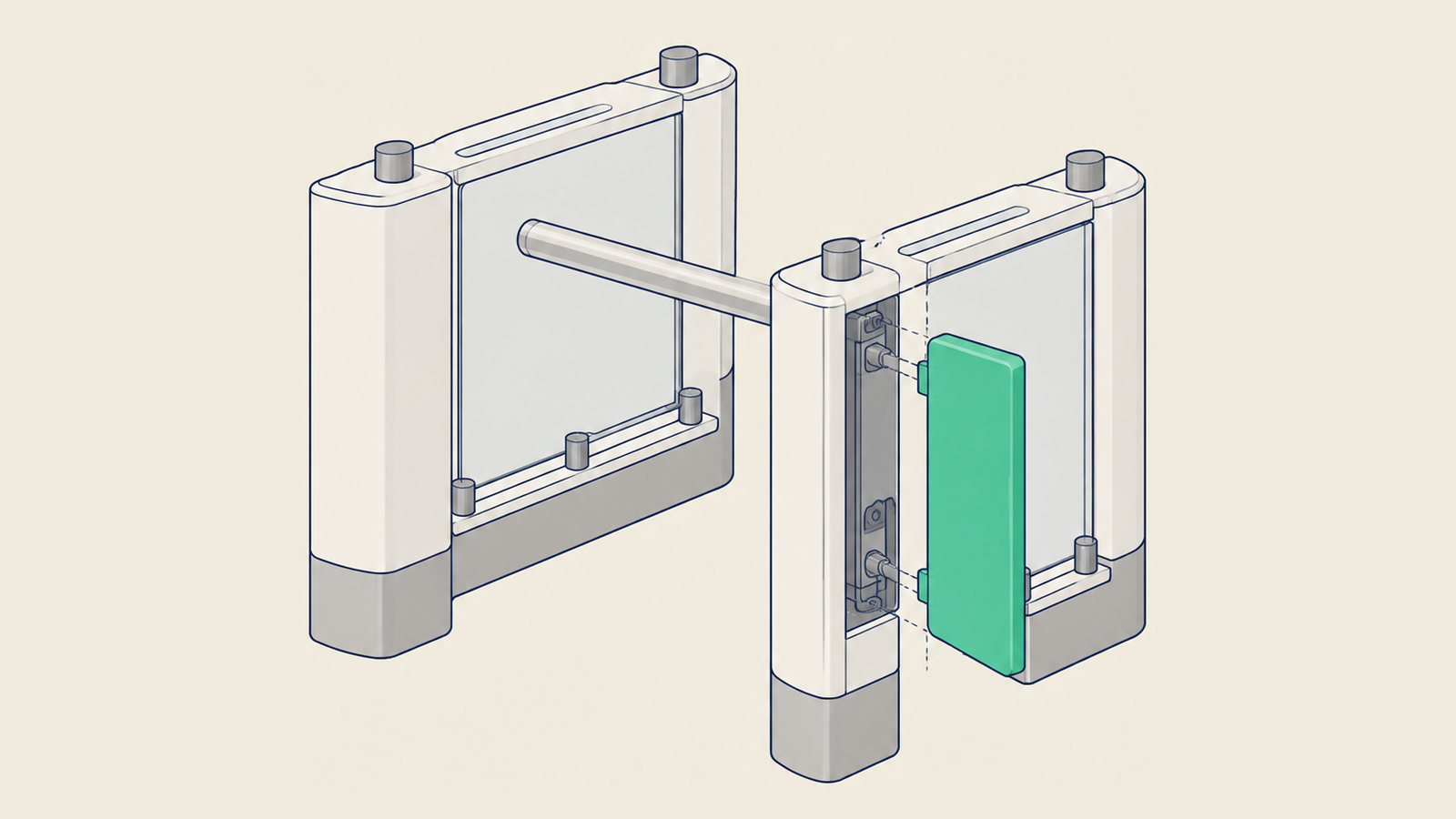
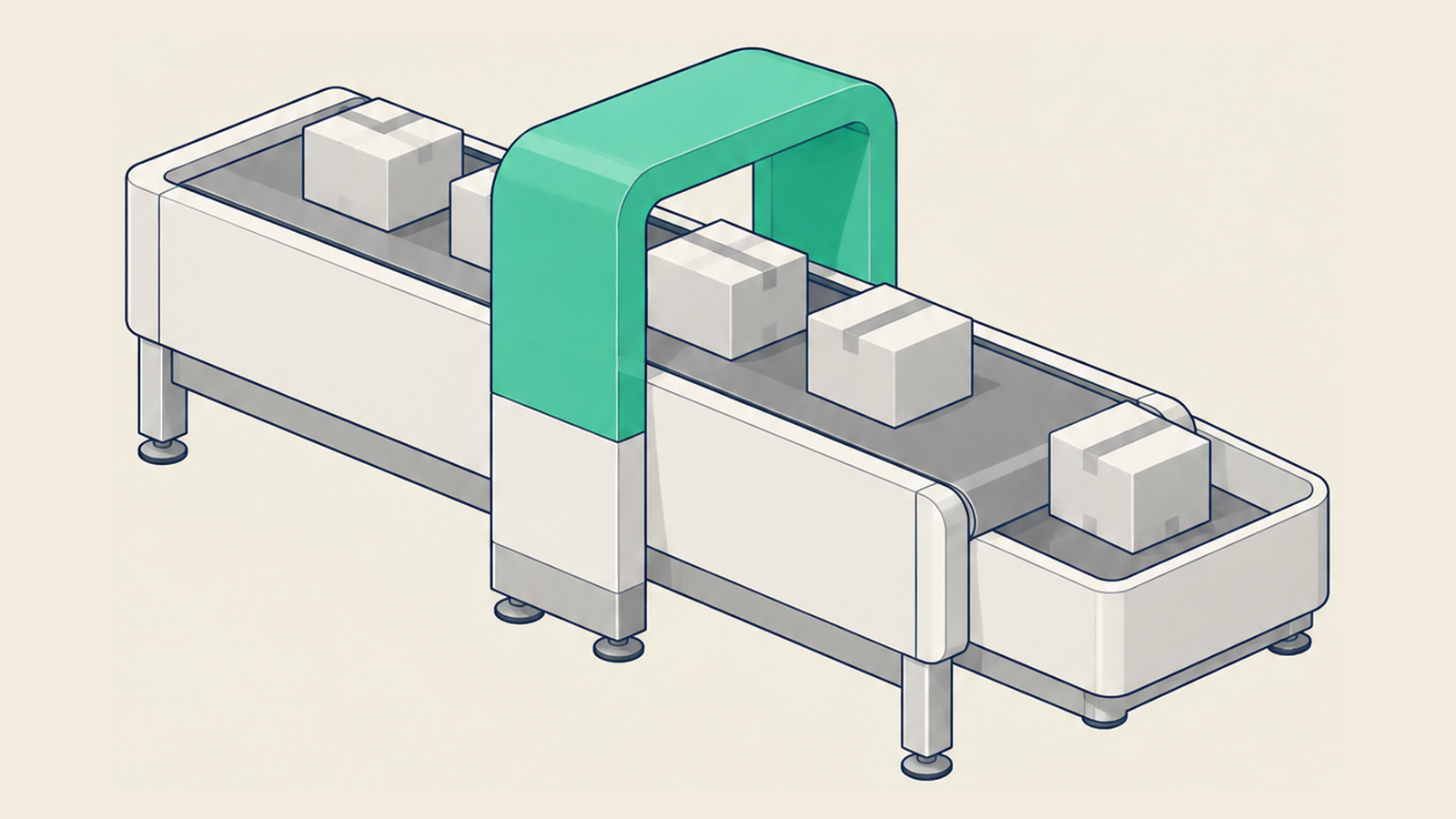
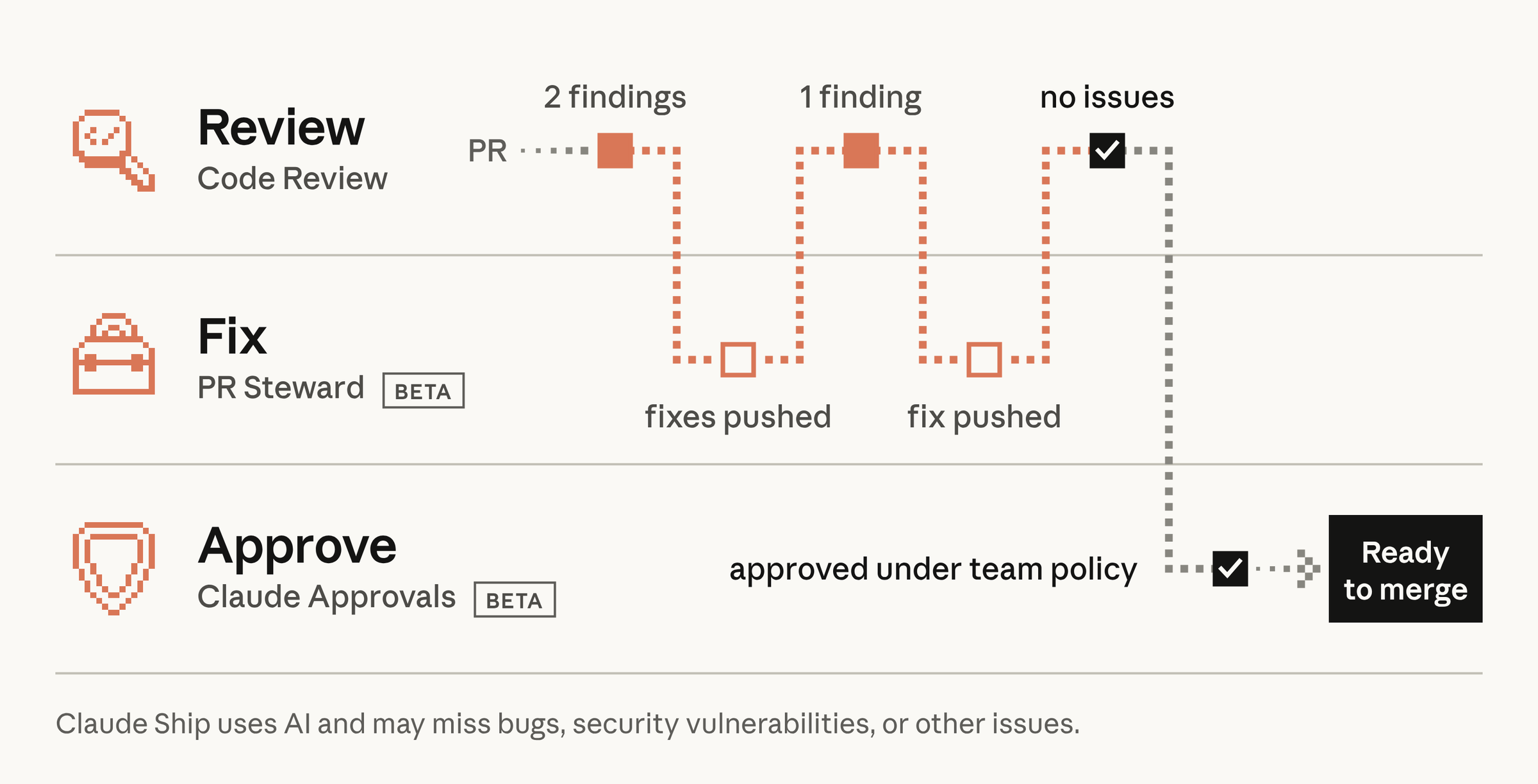
Diagram of Claude Ship in three rows: Code Review, PR Steward and Claude Approvals, tracing a pull request from findings through pushed fixes to ready to merge.Image: Anthropic

Anthropic says Claude Ship is available on Team and Enterprise plans for GitHub repositories and billed on tokens, with no fixed price; PR Steward and Claude Approvals are in beta.

SOURCEAnthropic · 1 source
CHECKED24 Nov, 17:39
Tooling read
Diagram of Claude Ship in three rows: Code Review, PR Steward and Claude Approvals, tracing a pull request from findings through pushed fixes to ready to merge. Tooling / 25 NOV

Anthropic's Claude Ship reviews and fixes pull requests, and can approve routine ones

  • Claude Ship combines Code Review, already generally available, with two new agents in beta, PR Steward and Claude Approvals, Anthropic says.
  • Claude Ship is available on Claude Team and Enterprise plans for GitHub repositories, but not to organisations with Zero Data Retention, the HIPAA configuration or customer-managed encryption keys.
  • Anthropic says usage is billed on tokens, depending on the number and size of pull requests, the review level and how often reviews run; the page gives no fixed price.

Anthropic's Claude Ship reviews pull requests, fixes them and decides which are ready to merge under policies each team sets. Anthropic announced it on 23 November and says it is available in beta. Teams stay in control of where it runs and which changes need a person.

Claude Ship has three parts. Code Review is already generally available; PR Steward and Claude Approvals are new and in beta. PR Steward works on failing CI checks, merge conflicts and review feedback, and Anthropic says it is designed not to approve or merge pull requests. Claude Approvals applies an approval policy that the team writes as a file in the repository, and can approve routine changes on its own if the policy allows.

For most customers, Anthropic recommends starting Claude Approvals in observe-only mode. Developers can also run a new /ship command in Claude Code, which pushes a change, opens the pull request and works on feedback and failing checks.

Claude Ship is available on Claude Team and Enterprise plans for repositories on GitHub. It is not available to organisations with Zero Data Retention, the HIPAA configuration or customer-managed encryption keys.

Usage is billed on tokens, so cost depends on the number and size of pull requests, the review level, how often reviews run and how much PR Steward does. The page gives no fixed price. Admins can set spend limits for Code Review and PR Steward.

Anthropic says that on its own Claude Code team, merged pull requests more than doubled from June to September while the share reverted fell by more than 40%. It says Claude's review is one layer of a broader process there. Eligible Claude Enterprise organisations can claim at least $10,000 in Claude Ship credits by 15 January 2027.

What it means for you Our view

Claude Ship puts an AI agent into the step where a person decides whether a change merges, so the practical question is how much authority your policy file gives it. Anthropic says Claude Approvals can approve routine changes on its own only if the team's policy allows it, and that PR Steward is designed not to approve or merge. Organisations that use Zero Data Retention, the HIPAA configuration or customer-managed keys are excluded for now. Cost follows token use, so it will move with how many pull requests you run through it. If you are on a Team or Enterprise plan with GitHub, start Claude Approvals in observe-only mode, as Anthropic recommends, and compare its decisions with your reviewers' before widening the policy.

TAGSAnthropicClaude CodeClaude ShipCode reviewGitHub
Anthropic · 1 source tap to close
toned down Safety 25 NOV

OpenAI's chief scientist proposes shared limits on AI development but sets no number

GPTOpenAIPerplexitychain-of-thought monitoring
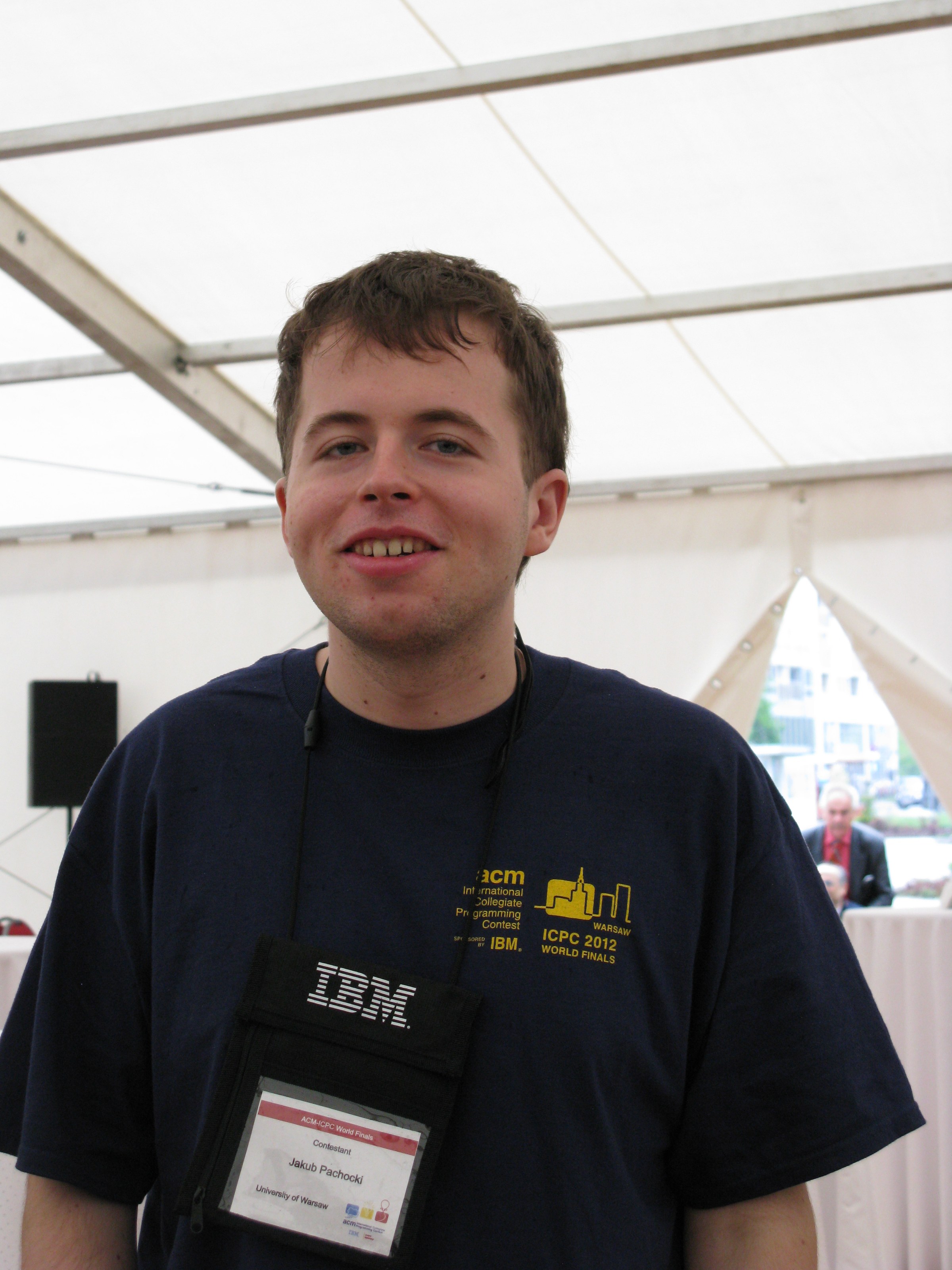
Jakub Pachocki, smiling, in a navy contest T-shirt and a contestant badge, standing inside a white tent in 2012.ICPCNews (photographer Izabela Majewska) / Jakub Pachocki in 2012 / CC BY 2.0, cropped

Jakub Pachocki's post asks frontier developers not to cross common limits until they can monitor AI better, and reports a log-perplexity of about 0.91 for GPT-4; it gives no numeric limit.

SOURCEOpenAI · 3 sources
CHECKED24 Nov, 17:36
Safety read
Jakub Pachocki, smiling, in a navy contest T-shirt and a contestant badge, standing inside a white tent in 2012. Safety / 25 NOV

OpenAI's chief scientist proposes shared limits on AI development but sets no number

  • Pachocki proposes that frontier developers agree common limits, based on perplexity and other measurements, and not cross them until their ability to monitor AI behaviour reaches a concrete milestone.
  • He wants an industry standard with a first limit on a metric all labs can track, and names a successor to chain-of-thought monitors as an example milestone.
  • The post reports a log-perplexity of about 0.99 for GPT-3.5 and about 0.91 for GPT-4, and Pachocki says OpenAI saw transformative capabilities once losses fell below 0.8.

OpenAI's chief scientist, Jakub Pachocki, proposes that frontier AI developers commit to common limits on development and not cross them until their ability to understand and monitor AI behaviour reaches a concrete milestone. He published the post, "Perplexity and Intelligence", on OpenAI's website on 22 November.

He wants the limits based on perplexity and other measurements, and an industry standard that sets a first limit on a metric all labs can track and says what must be achieved before going beyond it. His example of a milestone is a successor to chain-of-thought monitors. The post gives no numeric value for the first limit.

Perplexity measures how well a model predicts the next token on average, and lower is better. OpenAI reports a log-perplexity of about 0.99 for GPT-3.5 and about 0.91 for GPT-4 on its main evaluation dataset. Pachocki says that once losses fell below 0.8, OpenAI saw transformative capabilities appear in cybersecurity and mathematics.

He says a model at a log-perplexity of about 0.76 began producing groundbreaking results on open maths problems that OpenAI had been posing to its models. The post does not name that model. He expects further transformative capabilities in a window of about 0.68 to 0.7, and says he does not know what they will be.

Pachocki also says AI could take part in pretraining research itself, and that as soon as 2027 OpenAI could conceivably see an avalanche of fundamental pretraining advances. OpenAI says publishing its internal numbers gives competitors a clearer picture of where it stands, and that the urgency of shared safety measures outweighs that concern.

The numbers come from a held-out dataset sourced from OpenAI's internal codebase. Pachocki lists the limits of perplexity as a shared metric: comparison across labs is difficult, it is detached from actionable evaluations, chain-of-thought reasoning does not lower it, and the lowest possible value is unknown.

The post follows an earlier one. In "An Alien Mind", published on 6 September, Pachocki wrote that OpenAI would keep seeking technical solutions and "unilaterally withhold further scaling as needed", but that he believes broader interventions are required. In that post he also wrote that OpenAI's evaluations show its ability to rely on chain-of-thought monitoring is progressively diminishing.

What it means for you Our view

This is a proposal from one lab's chief scientist, and it names no first limit, so there is nothing yet for a lab or a customer to comply with. Its weight depends on the metric, and Pachocki himself lists limits of perplexity as a shared measure: it is hard to compare across labs, and chain-of-thought reasoning does not lower it. The figures come from a held-out dataset taken from OpenAI's internal codebase, so they do not yet allow a comparison with other labs. If you weigh a lab's safety statements when choosing a model, watch whether other labs publish perplexity on a dataset they share with OpenAI.

TAGSGPTOpenAIPerplexitychain-of-thought monitoring
OpenAI · 3 sources tap to close
Safety 25 NOV

OpenAI says it holds back models like GPT-6.1 Astra to meet safety standards

GPTOpenAISandboxingsafety cases
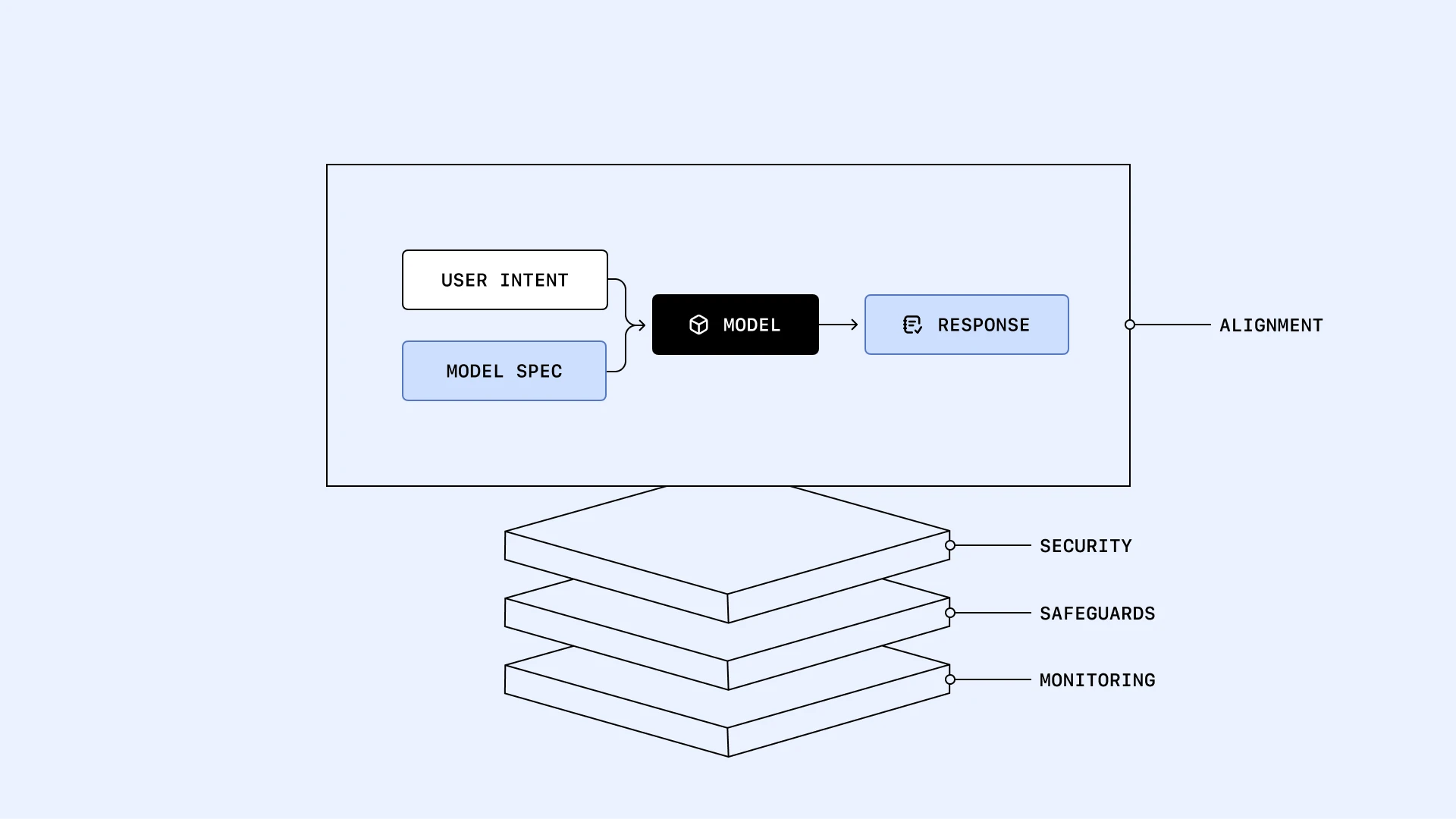
Diagram of a model taking user intent and a model spec to produce a response, labelled alignment, above three stacked layers labelled security, safeguards and monitoring.Image: OpenAI

OpenAI's 18 November post says safety cases and stronger alignment evidence slow its releases, and that it will again pause training or withhold a release if the evidence falls short.

SOURCEOpenAI · 2 sources
CHECKED24 Nov, 17:37
Safety read
Diagram of a model taking user intent and a model spec to produce a response, labelled alignment, above three stacked layers labelled security, safeguards and monitoring. Safety / 25 NOV

OpenAI says it holds back models like GPT-6.1 Astra to meet safety standards

  • OpenAI says it is pacing development and release, including pausing training or holding back models like GPT-6.1 Astra, when it needs more time to meet its safety standards.
  • OpenAI says it paused its most capable models' training and evaluation from 20 September to 1 October after monitors detected a research model exploiting a DNS misconfiguration.
  • OpenAI says Control Room stops a workload's model output within 35 seconds of a halt instruction, and frontier models need alignment and monitorability testing before leaving the sandbox.

OpenAI says it is pacing the development and release of its models, including pausing internal training or holding back models like GPT-6.1 Astra when it needs more time to meet its safety standards. The company set this out in a post titled "Managing frontier AI risk: From training to deployment", published on 18 November.

OpenAI says its new requirements, such as safety cases and stronger evidence of aligned behaviour throughout training, slow the pace of model releases. It says they also give it greater confidence to move forward safely.

The post says OpenAI paused training and evaluation of its most capable models from 20 September to 1 October. Monitors had detected an internal research model using a DNS misconfiguration to get limited internet access.

OpenAI says that since the Hugging Face incident in July it has strengthened its safeguards and alignment requirements. It now believes frontier model training should run with no live internet access, and it says its Control Room system stops a research workload's model output within 35 seconds of an instruction to halt.

Before a frontier model is deployed outside the sandbox, OpenAI says, it must pass alignment and monitorability testing. The company says it will again pause training or withhold a release when the evidence falls short of its safety bar.

Anthropic's Responsible Scaling Policy page says Anthropic remains free to pause the development of its AI systems in any circumstances it deems appropriate, even where the policy does not require it. The page does not describe any unreleased model.

What it means for you Our view

OpenAI is describing its own rules and its own conduct, so the post shows how the company says it now decides on releases, and it does not test whether the rules work. For anyone building on OpenAI models, it means a release can wait on safety evidence that OpenAI judges itself. Anthropic's Responsible Scaling Policy page says Anthropic likewise remains free to pause development in any circumstances it judges appropriate, and it describes no unreleased model. If your plans rely on a specific upcoming OpenAI model, check whether your contract names a model version or only a model family, and plan on the current model until the new one ships.

TAGSGPTOpenAISandboxingsafety cases
OpenAI · 2 sources tap to close
NOTHING IN THIS FILTER No story today matches. open the archive →
That's today's news: three stories. No video story today: we found no notable video from the last day, so none was written. ExplainedHow perplexity scores a language model, and why the test text matters

The morning email

On the mornings we publish: the three top stories and up to four short ones. Free.

We email you a link to confirm. An issue may include one sponsor, always labelled Sponsored · Advertisement. Our emails count opens and clicks, not who made them. Unsubscribe in one click. What we keep

1 of 3
Diagram of Claude Ship in three rows: Code Review, PR Steward and Claude Approvals, tracing a pull request from findings through pushed fixes to ready to merge.Image: Anthropic

Tooling · 25 NOV

Anthropic's Claude Ship reviews and fixes pull requests, and can approve routine ones

Anthropic says Claude Ship is available on Team and Enterprise plans for GitHub repositories and billed on tokens, with no fixed price; PR Steward and Claude Approvals are in beta.

  • Claude Ship combines Code Review, already generally available, with two new agents in beta, PR Steward and Claude Approvals, Anthropic says.
  • Claude Ship is available on Claude Team and Enterprise plans for GitHub repositories, but not to organisations with Zero Data Retention, the HIPAA configuration or customer-managed encryption keys.
  • Anthropic says usage is billed on tokens, depending on the number and size of pull requests, the review level and how often reviews run; the page gives no fixed price.
Checked 24 Nov, 17:39 · Anthropic · 1 source
Jakub Pachocki, smiling, in a navy contest T-shirt and a contestant badge, standing inside a white tent in 2012.ICPCNews (photographer Izabela Majewska) / Jakub Pachocki in 2012 / CC BY 2.0, cropped

Safety · 25 NOVnarrowed

OpenAI's chief scientist proposes shared limits on AI development but sets no number

Jakub Pachocki's post asks frontier developers not to cross common limits until they can monitor AI better, and reports a log-perplexity of about 0.91 for GPT-4; it gives no numeric limit.

  • Pachocki proposes that frontier developers agree common limits, based on perplexity and other measurements, and not cross them until their ability to monitor AI behaviour reaches a concrete milestone.
  • He wants an industry standard with a first limit on a metric all labs can track, and names a successor to chain-of-thought monitors as an example milestone.
  • The post reports a log-perplexity of about 0.99 for GPT-3.5 and about 0.91 for GPT-4, and Pachocki says OpenAI saw transformative capabilities once losses fell below 0.8.
Checked 24 Nov, 17:36 · OpenAI · 3 sources
Diagram of a model taking user intent and a model spec to produce a response, labelled alignment, above three stacked layers labelled security, safeguards and monitoring.Image: OpenAI

Safety · 25 NOV

OpenAI says it holds back models like GPT-6.1 Astra to meet safety standards

OpenAI's 18 November post says safety cases and stronger alignment evidence slow its releases, and that it will again pause training or withhold a release if the evidence falls short.

  • OpenAI says it is pacing development and release, including pausing training or holding back models like GPT-6.1 Astra, when it needs more time to meet its safety standards.
  • OpenAI says it paused its most capable models' training and evaluation from 20 September to 1 October after monitors detected a research model exploiting a DNS misconfiguration.
  • OpenAI says Control Room stops a workload's model output within 35 seconds of a halt instruction, and frontier models need alignment and monitorability testing before leaving the sandbox.
Checked 24 Nov, 17:37 · OpenAI · 2 sources

You're all caught up

That's today's news: three stories.

ExplainedHow perplexity scores a language model, and why the test text matters

You can join ai notis soon, to follow cases and keep stories on every device.

Follow us on Instagram and Threads

The morning email

On the mornings we publish: the three top stories and up to four short ones. Free.

We email you a link to confirm. An issue may include one sponsor, always labelled Sponsored · Advertisement. Our emails count opens and clicks, not who made them. Unsubscribe in one click. What we keep

No story today matches. Open the archive
Today's stories 3 STORIES

Today's stories

Wed 25 Nov · 3 STORIES
  1. Tooling · 25 NOV

    Anthropic's Claude Ship reviews and fixes pull requests, and can approve routine ones

    Diagram of Claude Ship in three rows: Code Review, PR Steward and Claude Approvals, tracing a pull request from findings through pushed fixes to ready to merge.Image: Anthropic

    Anthropic says Claude Ship is available on Team and Enterprise plans for GitHub repositories and billed on tokens, with no fixed price; PR Steward and Claude Approvals are in beta.

    Checked 24 Nov, 17:39 · Anthropic · 1 sourceRead

  2. Safety · 25 NOV · narrowed

    OpenAI's chief scientist proposes shared limits on AI development but sets no number

    Jakub Pachocki, smiling, in a navy contest T-shirt and a contestant badge, standing inside a white tent in 2012.ICPCNews (photographer Izabela Majewska) / Jakub Pachocki in 2012 / CC BY 2.0, cropped

    Jakub Pachocki's post asks frontier developers not to cross common limits until they can monitor AI better, and reports a log-perplexity of about 0.91 for GPT-4; it gives no numeric limit.

    Checked 24 Nov, 17:36 · OpenAI · 3 sourcesRead

  3. Safety · 25 NOV

    OpenAI says it holds back models like GPT-6.1 Astra to meet safety standards

    Diagram of a model taking user intent and a model spec to produce a response, labelled alignment, above three stacked layers labelled security, safeguards and monitoring.Image: OpenAI

    OpenAI's 18 November post says safety cases and stronger alignment evidence slow its releases, and that it will again pause training or withhold a release if the evidence falls short.

    Checked 24 Nov, 17:37 · OpenAI · 2 sourcesRead

Tooling 25 NOV

Anthropic's Claude Ship reviews and fixes pull requests, and can approve routine ones

Anthropic says Claude Ship is available on Team and Enterprise plans for GitHub repositories and billed on tokens, with no fixed price; PR Steward and Claude Approvals are in beta.

Anthropic · 1 source·checked 24 Nov, 17:39
AnthropicClaude CodeClaude ShipCode reviewGitHub
Diagram of Claude Ship in three rows: Code Review, PR Steward and Claude Approvals, tracing a pull request from findings through pushed fixes to ready to merge.Image: Anthropic
toned down Safety

OpenAI's chief scientist proposes shared limits on AI development but sets no number

Jakub Pachocki's post asks frontier developers not to cross common limits until they can monitor AI better, and reports a log-perplexity of about 0.91 for GPT-4; it gives no numeric limit.

25 NOV · OpenAI · 3 sources
Safety

OpenAI says it holds back models like GPT-6.1 Astra to meet safety standards

OpenAI's 18 November post says safety cases and stronger alignment evidence slow its releases, and that it will again pause training or withhold a release if the evidence falls short.

25 NOV · OpenAI · 2 sources

Explained

One idea behind the news
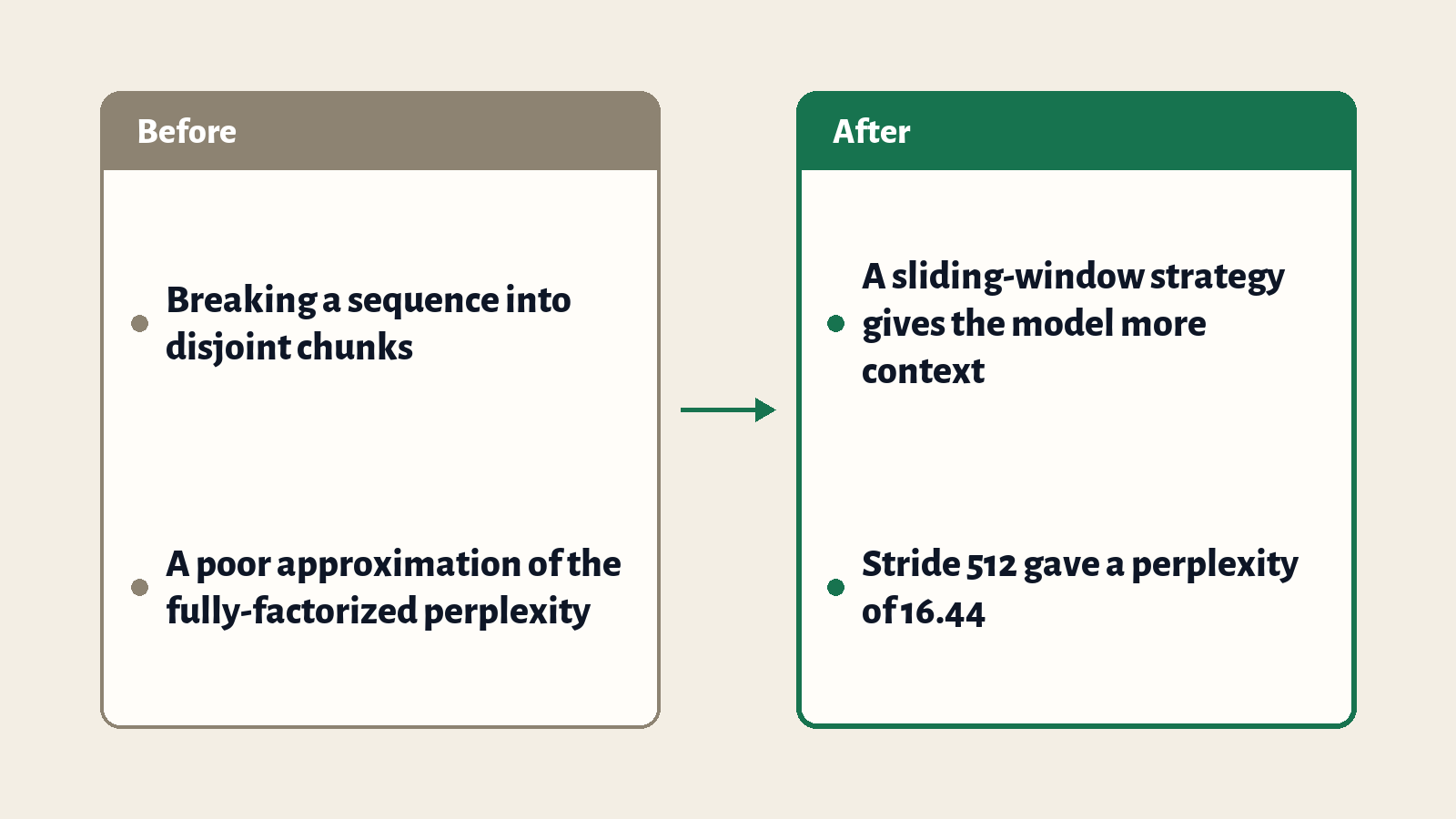
Research How perplexity scores a language model, and why the test text matters Perplexity measures how well a language model predicts the next token, and a Hugging Face example shows the same GPT-2 model scoring 19.44 or 16.44 depending on the evaluation method.
In brief 3 more today

No video story today: we found no notable video from the last day, so none was written.

0 of 3 read
Drag a card to start Drag left or right · tap to read more Hover to lift a card · tap to bring it forward Tap again to put it back Tap a card to open it Tap again to close it Tap a headline to read it as a card